

Reclining Female Nude
Reclining Female Nude: A Study in Light and Form by William Etty
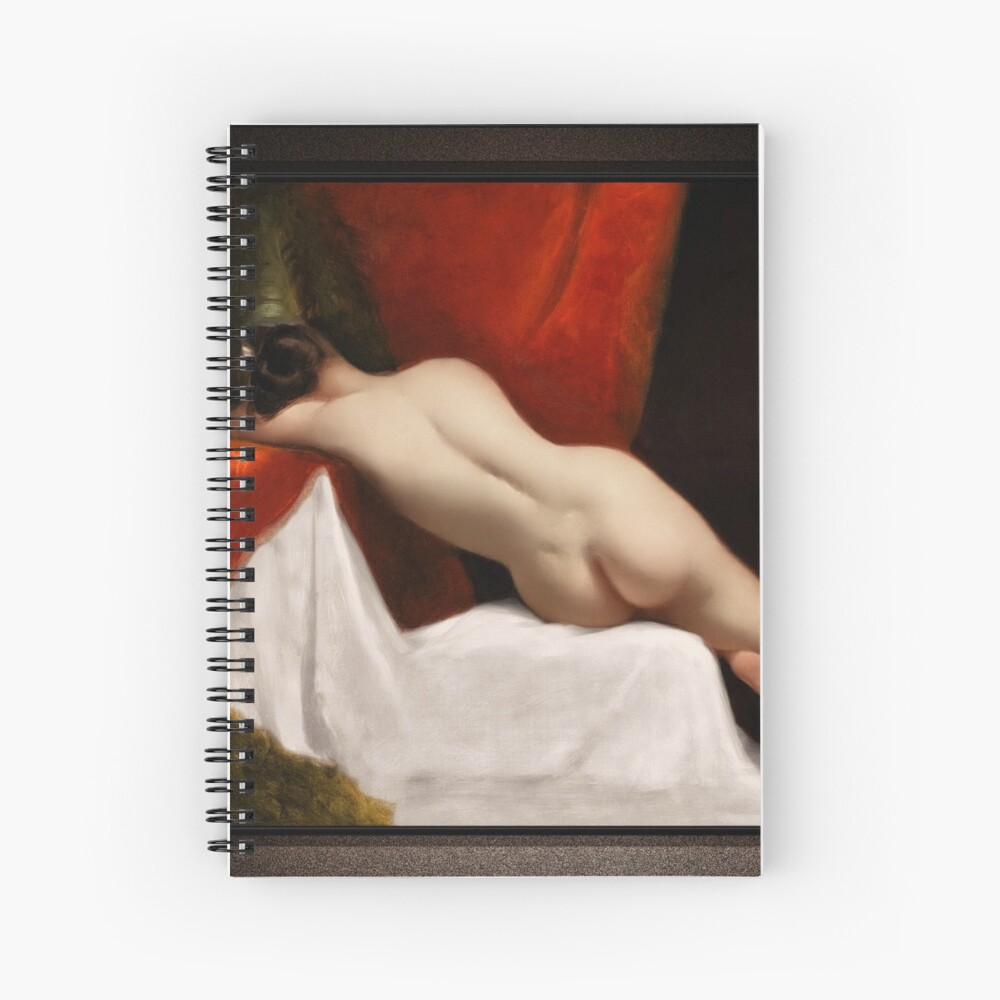
William Etty’s “Reclining Female Nude,” painted circa 1835-1840, is a compelling example of academic realism with a distinct Romantic sensibility. The painting showcases the artist’s mastery of light and shadow to create a sense of volume and sensuality within a carefully constructed composition.
Etty, though not as widely celebrated as some of his contemporaries, was a respected figure in the British art scene, known for his depictions of classical subjects and his meticulous attention to anatomical detail. This particular work exemplifies his skill in rendering the human form with both accuracy and an evocative atmosphere.
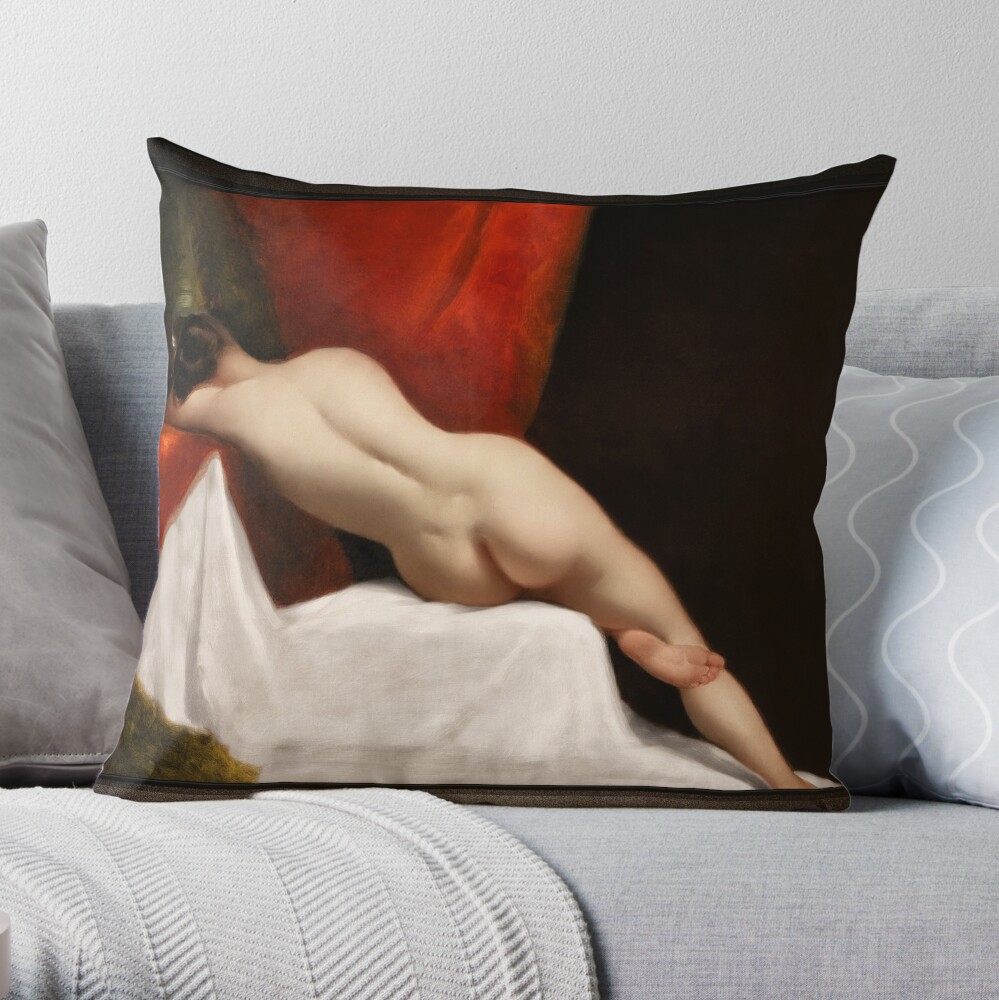
Table of Contents
Compositional Structure & Perspective
The composition is dominated by the reclining female figure, positioned diagonally across the canvas. Her body occupies a significant portion of the frame, drawing immediate focus. The artist employs a low vantage point, slightly elevating the viewer’s perspective to emphasize the curve of her back and the graceful line of her limbs. This angle also contributes to a sense of intimacy, as if the observer is privy to a private moment.
The figure’s posture suggests relaxation and repose; she rests upon a draped white cloth that folds and gathers around her form, creating subtle variations in texture and light. The background is deliberately subdued, consisting primarily of dark tones punctuated by vibrant splashes of color – notably a rich crimson curtain partially visible on the left side and hints of green foliage further back. This limited palette serves to isolate the figure and intensify the impact of her illuminated skin.
Light & Shadow: A Baroque Influence
Etty’s use of light is arguably the most striking aspect of this painting. The illumination appears to emanate from an unseen source positioned above and slightly to the right of the figure, casting dramatic shadows across her body. This chiaroscuro effect – a technique borrowed directly from Baroque masters like Caravaggio – creates a palpable sense of volume and depth.
The highlights on her skin are rendered with remarkable precision, capturing the subtle nuances of tone and texture. The artist skillfully uses shadow to define the contours of her form, emphasizing the curves of her shoulders, hips, and breasts. This interplay of light and dark not only enhances the realism of the depiction but also contributes to a sense of mystery and allure.
Color Palette & Texture
The color palette is restrained yet effective. The dominant colors are warm flesh tones contrasted against the cool white of the drapery and the deep reds and greens in the background. Etty’s brushwork varies depending on the area being depicted. On the figure, the paint application is smooth and blended, creating a soft, almost luminous effect.
In contrast, the folds of the cloth are rendered with more visible brushstrokes, adding textural interest. The crimson curtain exhibits a looser, more expressive handling of the paint, suggesting a sense of movement and depth. The overall effect is one of carefully controlled realism combined with an underlying romantic sensibility.
Subject Matter & Artistic Context
“Reclining Female Nude” reflects the prevailing artistic trends of the early 19th century in Britain. The depiction of the nude female figure was a common subject among academic artists, often drawing inspiration from classical sculpture and mythology. However, Etty’s approach differs from some of his contemporaries who favored more idealized or allegorical representations.
His focus is on the realistic portrayal of the human form, albeit one imbued with a sense of beauty and grace. The painting can be seen as an exploration of the interplay between light, shadow, and form – a central concern for many artists during this period. It also reflects a broader cultural fascination with the classical world and its aesthetic ideals.
Technical Skill & Artistic Legacy
Etty’s technical skill is evident in every aspect of this painting. His mastery of anatomy, his ability to render light and shadow convincingly, and his careful attention to detail all contribute to the overall impact of the work. While Etty’s career was marked by periods of relative obscurity, “Reclining Female Nude” stands as a testament to his talent and artistic vision. It demonstrates his capacity for creating compelling works that engage with both classical traditions and contemporary aesthetic concerns. The painting remains an important example of British academic art from the 19th century, showcasing the artist’s ability to combine technical proficiency with a sensitive understanding of human form and beauty.
Artist Bio Derived From Wikipedia.org
William Etty was born in York, a cathedral city and unitary authority area, at the confluence of the rivers Ouse and Foss, in England.
At the age of 12 years in 1799 he left school to become an apprentice printer in Hull, a port city and unitary authority in the East Riding of Yorkshire, England.
Upon completion of his apprenticeship in 1807 he moved to London where he joined the Royal Academy Schools; training under British Portrait Painter Thomas Lawrence (1769 – 1830), copying artwork of other artist, gaining considerable respect in his ability to paint realistic flesh tones.
Then in 1821 William’s nude painting, Cleopatra’s Arrival in Cilicia drew great acclaim, moving him into the artistic spotlight; which prompted him to create several other historical scenes with nudes; and though he had become a commercial success, he acquired a reputation of indecency due to all the nudity in his art.
In 1821 William’s was elected as a Royal Academician; which at the time was the highest honor that could be given to an artist; and even with the prestige and acclaim he had earned, William continued to study at life classes throughout his life; which was consider inappropriate by his fellow artist for the level of his stature.
William Etty is consider to be the first significant British painter of nudes and still life’s; which is the highly detailed and correct anatomical drawing of the human figure.
This reclining nude artwork is a retouched digital art old masters reproduction of a public domain image that is available as a wall decor art print.