

The Penitent Magdalene c1635
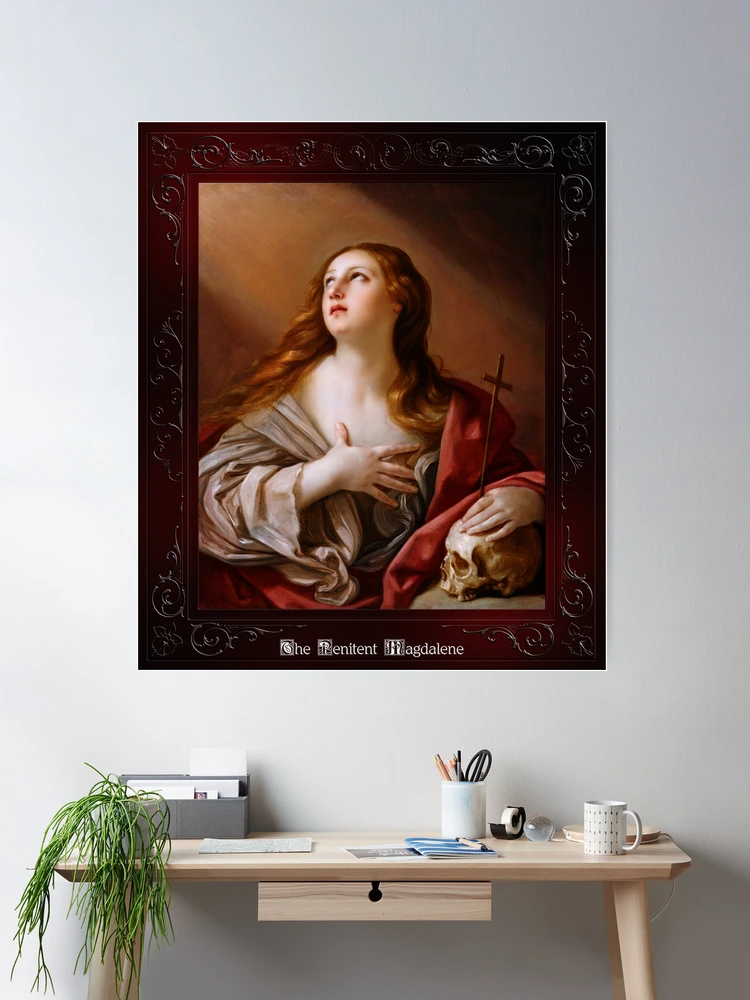
“Déi berouegt Magdalena” ass e Meeschterstéck erstallt an 1635 vum renomméierten italienesche Barockmoler Guido Reni (1575 – 1642). Dëst ikonescht Bild weist d'biblesch Figur vun der Maria Magdalena, deen traditionell als Sënner unerkannt gëtt, deen Erléisung sicht. Dem Reni seng Duerstellung erfaasst déi intensiv bannenzeg Onrou a spirituell Transformatioun vum Thema duerch eng virsiichteg Gnod, pathos, an dramatesch Luucht, typesch fir barock Konscht. D'Molerei vermëttelt net nëmmen reliéis Themen vu Péng a Berouegung, awer weist och dem Reni seng Meeschterschaft a Portrait., d'Handhabung vu Liicht a Schied, a seng Fäegkeet fir Emotiounen a seng Figuren z'entdecken.
Inhaltsverzeechnes
Haaptthemium: Maria Magdalena vum Carlo Dolci
An “Déi berouegt Magdalena,” déi zentral Figur ass Maria Magdalena vum Carlo Dolci, deem seng kontemplativ Ausdrock a sanft Haltung en déiwe Gefill vu Trauer a Berou erwächen. Si gëtt mat engem blass gewisen, hell Gesiicht, hire Bléck no uewen riicht, anscheinend gëttlech Gnod iwwerdenkt oder iwwer hir vergaange Sënnen reflektéiert. D'Positioun vun hirer Hand op hirer Broscht, just iwwer hirem Häerz, proposéiert en emotionalen Plädoyer fir Erléisung oder en déiwe internen Konflikt. Hir aner Hand läit sanft op engem klenge Schädel, en Emblème vun der Mortalitéit an der transienter Natur vum ierdesche Liewen. Den Schädel, dacks e Symbol vum Doud, verstäerkt d'Thema vun der spiritueller Erléisung, signaliséiert d'Inévitabilitéit vum Doud an d'Bedierfnes fir Berouegung am Gesiicht vun der mënschlecher Zerbriechlechkeet.
Déi mëll Flux vun hirem laang, fléissend Hoer an hir opulent Kleeder kontrastéieren mat der Somberness vum Thema, emphasizing her vulnerability as a woman caught between the earthly and the divine. The gentle curve of her neck, the subtle play of light across her skin, and the delicate rendering of her facial features all suggest Reni’s exquisite attention to detail and his ability to create an emotionally charged image through delicate brushwork.
Objeten: Schädel a Kräiz
Two significant objects in the composition deepen the narrative: the skull and the cross. The skull rests beside the figure, its stark contrast to the figure’s otherwise serene and peaceful demeanor drawing attention to its symbolic meaning. In Baroque art, such objects often remind the viewer of the transient nature of life and the importance of spiritual reflection. The presence of the skull connects directly to the Christian concept of mortality, encouraging the contemplation of death and the need for penance.
In contrast to the skull, a wooden cross is held upright in the background, subtly reinforcing the Christian theme of salvation. The cross, wärend net de Brennpunkt vum Bild, serves as a silent testament to the religious undertones of the work. It is an object of immense spiritual significance, representing both suffering and redemption, which is central to the narrative of Mary Magdalene’s transformation.
Terrain an Hannergrond: Soft an ätherescht
The terrain and background in “Déi berouegt Magdalena” are minimalistic and ethereal, contributing to the overall mood of spiritual contemplation. The background is bathed in soft, warm tones of gold, rosa, a brong, creating a celestial atmosphere that separates the figure from any earthly concerns. There are no specific or detailed elements of the landscape, which allows the viewer’s attention to remain focused on the emotional depth of the subject. D'Benotzung vu Liicht, especially the soft glow around Magdalene’s face, adds an almost divine aura to her figure, suggesting her purification and spiritual elevation.
This minimalist treatment of the background and the soft gradation of light are characteristic of Reni’s style and of Baroque art in general. The lighting directs the viewer’s focus entirely on the figure, reinforcing the central theme of internal reflection and penitence.
Styl an Technik: Barock Meeschterschaft
Reni’s work exemplifies the best of the Baroque style, a period known for its emotional intensity, dramatic contrasts of light and shadow, and the merging of realism with spiritual symbolism. An dëser Molerei, the artist employs chiaroscuro—the technique of strong contrasts between light and dark—to create a heightened sense of drama and emotion. The light that bathes Mary Magdalene’s face and hands lends an ethereal, almost otherworldly quality to the image, enhancing the sense of divine presence.
Reni’s precise brushwork and attention to detail are evident in the rendering of fabrics, Haut Téin, a Gesiichtsausdréck. His deft ability to capture the texture of the fabrics, especially the luxurious softness of Magdalene’s robe, further emphasizes the figure’s nobility and grace. The contrast between the delicately painted skin and the dark, almost mysterious shadows around the figure also showcases Reni’s technical skill in handling the human form.
Thema a Stëmmung: Erléisung a Spiritualitéit
D'Stëmmung vum “Déi berouegt Magdalena” is one of profound introspection and sorrow, awer et vermëttelt och e Gefill vun Hoffnung an Erléisung. De Reni huet d'Magdalene an engem Moment vun der Béi gefaangen - hire Bléck no uewen suggeréiert e Verlaangen no gëttlecher Verzeiung, wärend de Schädel op hirer Säit als Erënnerung un d'Zerbriechlechkeet vum mënschleche Liewen an d'Bedierfnes fir Erléisung déngt. Et gëtt eng déif spirituell Spannung an der Haltung vun der Figur, déi Schwachstelle mat engem Sënn vun banneschten Kraaft kombinéiert. Et ass e Moment vu Gnod, wou d'Figur op der Grenz vun der spiritueller Erléisung duerch hir Buet ass.
D'allgemeng Thema ass ee vun Christian Erléisung, e widderhuelend Motiv an der barocker reliéiser Konscht. Magdalena, traditionell als gefall Fra portraitéiert, gëtt hei als Figur vun déif Iwwerleeung gewisen, ausdréckt souwuel de Péng vun hirer Vergaangenheet wéi och d'Hoffnung vun hirer eventueller Erléisung. This combination of emotional vulnerability with the promise of spiritual renewal invites the viewer to engage with the painting on a deeply personal level.
Conclusioun
Guido Reni’s “Déi berouegt Magdalena” is a poignant and powerful portrayal of the themes of sin, penitence, an Erléisung. The work exemplifies the Baroque tradition, blending technical virtuosity with deep emotional and spiritual insight. Duerch seng virsiichteg Notzung vu Liicht, Schied, a Symbolismus, Reni invites viewers into the intimate world of Mary Magdalene, where the tensions of sorrow and hope are vividly brought to life.
Dëst ass eng retouched digital Konscht al Master Reproduktioun vun engem Public Domain Bild dat als verfügbar ass metallen, Leinwand, acrylic and wood print online.
Benotzt dëse Link fir de Kaf ze kafen Ornament Verméigen am Kader vun dësem Stéck benotzt; de Bündel enthält 400 Elementer vun schéin entworf Ornamente.
Kënschtler Bio ofgeleet vun Wikipedia.org
Guido was born in Bologna, Italy to musicians Daniele Reni and Ginevra Pozzi; and at the age of nine was apprenticed to the Bolognese studio of Flemish Painter Denis Calvaert (1540 – 1619), who lived in Italy and who was also known as Dionisio Fiammingo or Il Fiammingo (The Fleming).
When Guido was about 20, he and his fellow artist at the Bolognese studio, Italian Baroque Painters Francesco Albani (1578 – 1660) and Domenico Zampieri (1581 – 1641), moved to the rival studio, Accademia degli Incamminati (Academy of the “newly embarked”, or progressives), which was led by Italian, early-Baroque painter, etcher, and printmaker Ludovico Carracci (1555 – 1619).
The trio then went on to form the core of a successful and prolific school of Bolognese painters who followed the cousin of Lodovico; Italian painter Annibale Carracci (1560 – 1609).