

The Red Cape: A Timeless Elegance Of Mid-Century Glamour
Introdução à obra de arte
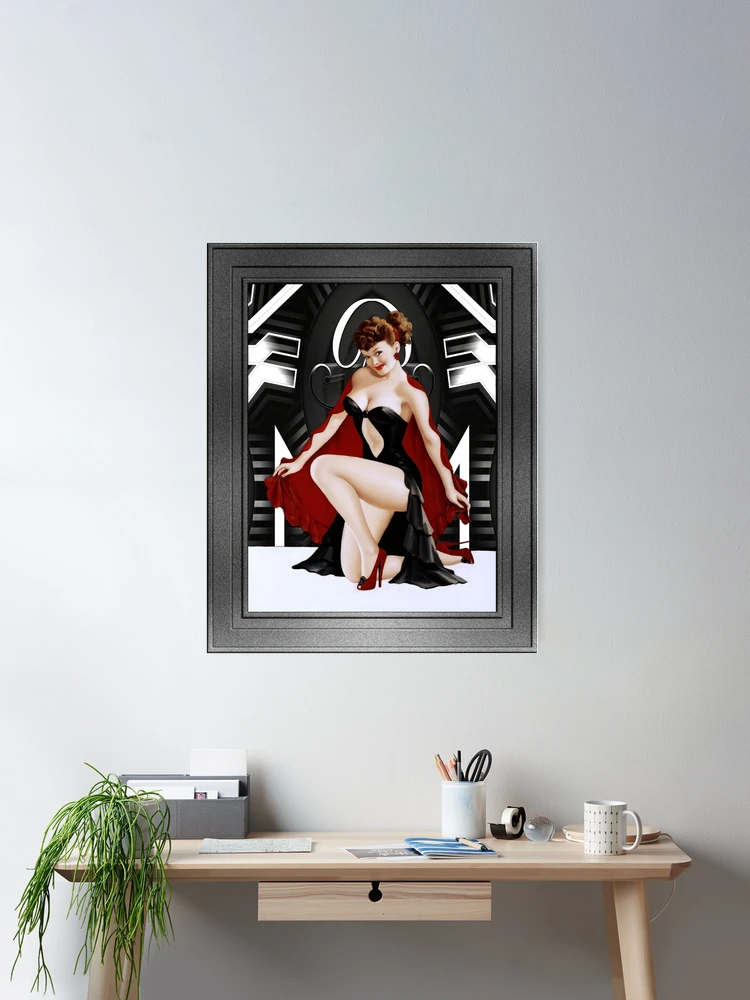
“The Red Cape” is a quintessential work by the American artist Peter Driben, a celebrated figure known for his pin-up art in the mid-20th century. Driben’s mastery in creating seductive and lively compositions is well represented in this piece. The artwork captures the essence of glamour, fascínio, and sophisticated femininity, themes that resonate throughout his body of work. “The Red Cape” is a vivid portrayal of a woman embodying confidence and charm, set against a striking, almost cinematic backdrop.
Índice
O assunto principal: A Seductive Femme Fatale
A figura central em “The Red Cape” is a young woman in an arresting pose, exuding an irresistible charm. Her posture is confident, sitting on the ground with one knee raised, her body slightly turned to the side. She gazes directly at the viewer with a playful yet enticing expression, her lips slightly parted in a smile. Her hairstyle is carefully styled into soft curls that frame her face, adding to the sophistication of her appearance. The woman’s strikingly seductive look is enhanced by the rich color contrasts in her attire and surroundings.
She wears a fitted black dress with a daring plunging neckline, the silhouette of which accentuates her curves. The black dress, a classic emblem of elegance, is complemented by a flowing red cape that drapes behind her, extending across her shoulders and fluttering like a vivid extension of her powerful femininity. The red cape contrasts dramatically against the dark tones of the background and the black dress, drawing the eye directly to the central figure. Her bold red lipstick and matching earrings mirror the deep hue of the cape, underscoring her glamorous allure.
The Background and Mood
O pano de fundo de “The Red Cape” further enhances the sense of grandeur and stylized sophistication. The background is composed of striking geometric elements, with sharp, angular lines creating a dynamic contrast with the soft, curvaceous lines of the model’s figure. The black and white tones in the background, along with the radial design, evoke a sense of art deco elegance and modernity. These elements work in tandem with the central figure, accentuating the timeless quality of the image while also grounding it in the mid-century aesthetic that Driben is known for.
The overall mood of the artwork is one of glamour and power. The woman in the piece is not merely a passive subject but an active, confident figure, fully aware of her beauty and the impact it has on those around her. The red cape, em particular, acts as a symbol of strength and boldness, much like the heroic personas in the stories of classic cinema. The color red, both sensual and commanding, highlights her dominance in the composition, turning her into an almost mythical figure—a heroine wrapped in the elegance of vintage Hollywood.
Symbolism and Thematic Elements
“The Red Cape” is a portrayal of more than just a fashionable woman; it conveys a deeper narrative of empowerment, fascínio, and independence. The woman is portrayed as a figure of control, unapologetically seductive yet regal. The flowing red cape could symbolize both a cloak of protection and a dramatic visual extension of her persona. The cape, in its voluminous fluidity, brings a sense of movement to an otherwise static scene, suggesting that the woman is not only a passive subject in the image but also an active force in her environment.
The composition itself echoes the optimism and post-war exuberance of the 1940s and 1950s. This period in American history saw a cultural explosion of confidence and self-expression, much of which was embodied in the burgeoning pin-up culture. Driben’s work encapsulates the sense of freedom and charm that characterized this era, an era where art and fashion collided to elevate everyday femininity to the level of art. The subject’s confident posture and seductive smile reflect the desire for attention and admiration that was often captured in pin-up art of the time.

The Medium and Artistic Style
Peter Driben’s work is rooted in the commercial and illustration art tradition, which is evident in “The Red Cape.” His style, influenced by the pin-up art movement and commercial illustration of the 1940s and 1950s, is both vivid and approachable. While it is clear that Driben’s work was intended for mass consumption—often for advertisements, cartazes, and magazine covers—he elevated the genre through his attention to detail, cor, e composição.
Dentro “The Red Cape,” Driben’s use of sharp contrasts between light and dark enhances the focal point of the image. The model’s face and body are brightly illuminated against the deep shadows of the background, creating a three-dimensional quality that draws the viewer’s eye. The smooth lines of the dress and cape contrast with the geometric lines in the background, suggesting a balance between softness and strength.
The vivid use of color in the artwork is key to its overall appeal. The combination of deep reds, negros, and whites adds to the visual drama of the scene, while the bold lines in the background contribute a sense of modernist movement. The painting’s glossy finish and clean contours reflect the aesthetic preferences of the time, showcasing a blend of realism with the stylized and idealized beauty characteristic of pin-up art.
Conclusão: A Timeless Icon of Mid-Century Beauty
“The Red Cape” by Peter Driben stands as a classic example of mid-century pin-up art that continues to captivate audiences with its timeless blend of glamour, fascínio, and sophisticated femininity. The figure of the woman, with her powerful gaze and poised posture, represents the confidence and independence that was becoming more prevalent in American culture during the post-war years. Driben’s use of color, composição, and dramatic mood creates a piece that transcends its commercial origins, elevating it to the status of fine art.
This artwork is not merely a visual representation of a beautiful woman but a statement of power, confiança, e elegância atemporal, rendered in the perfect balance of style and substance. Through “The Red Cape,” Driben’s ability to capture the essence of his era—its optimism, beleza, and emerging social dynamics—remains as relevant and arresting as ever.
Sobre a obra de arte
The Red Cape by American Painter Peter Driben (1903 – 1968); pintor, ilustrador e um dos artistas pin-up mais prolíficos das décadas de 1940 e 1950.
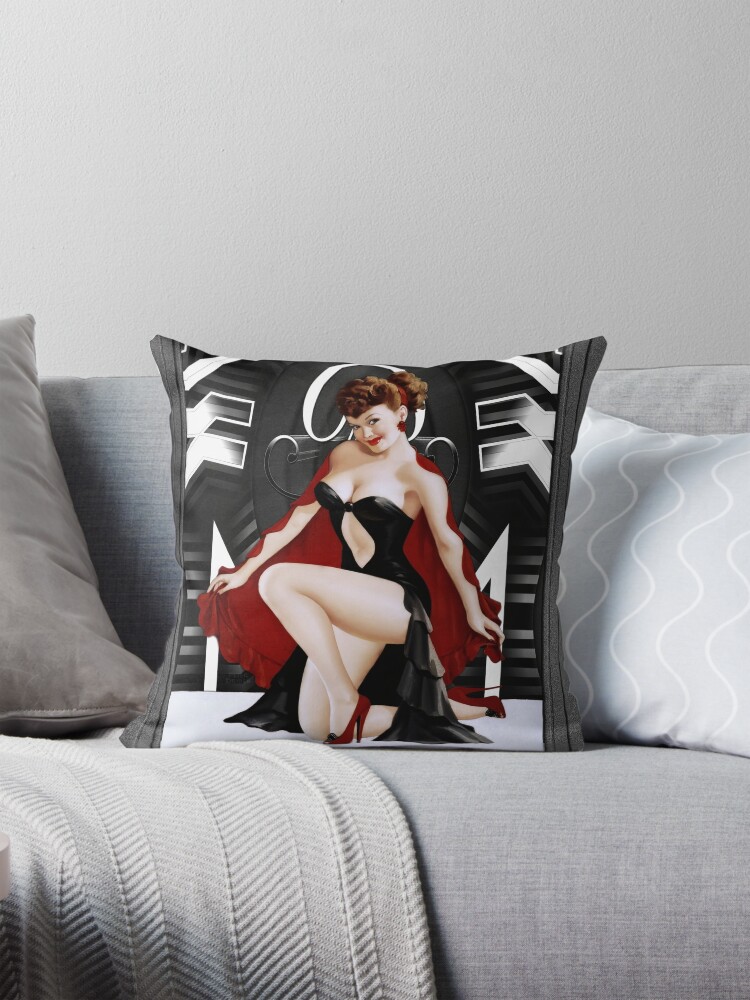
A hot and sexy beautiful young brunette with a red ribbon in her hair and red earrings that is a wearing a large red cape over a black revealing evening dress and red high heel shoes with high a black polka-dot ribbons on top.
I decided to replace the black background with a digital art background to create a more dynamic look.
Esta é uma reprodução remasterizada dos antigos mestres de arte digital de uma imagem de domínio público que está disponível como um impressão em tela.
Sobre o Artista
Informações abaixo de Wikipedia.org
Peter Driben nasceu em Boston, e estudou na Vesper George Art School antes de se mudar para Paris em 1925. Enquanto estudava na Sorbonne em 1925, ele começou uma série de desenhos a bico de pena altamente populares das dançarinas da cidade.
Em março de 1934 Driben criou sua primeira pin-up conhecida, que foi capa de La Paree Stories; e por 1935, ele estava produzindo capas para Snappy, Pepino, Noites de Nova York, Vida Noturna Francesa e Capricho.
À medida que a popularidade de Driben continuava a aumentar no final dos anos 30, ele criou mais capas para outros periódicos, incluindo Silk Stocking Stories., Carrossel de filmes e diversão na tela real.
A carreira de Driben se expandiu para a publicidade quando ele se mudou para Nova York no final 1936. Aqui ele criou vitrines tridimensionais originais recortadas para rádios Philco, Toalhas de banho de canhão, e a Weber Baking Company.
Talvez seu trabalho mais famoso sejam os pôsteres originais e a arte publicitária do Falcão Maltês. Peter Driben também era amigo próximo do editor Robert Harrison, e em 1941 ele foi contratado para produzir capas para a nova revista de Harrison, Beauty Parade.
A partir daí, Peter pintou centenas de capas para aquela publicação e para os outros sete títulos que Harrison iria lançar. – Flertar, Sussurrar, Assistindo, Piscar, Olho, Risos, e Coringa.
Driben costumava ter até seis ou sete de suas capas publicadas todos os meses. O trabalho de Driben para Harrison o estabeleceu como um dos artistas de pin-up e glamour mais reconhecidos e bem-sucedidos da América.. Pouco antes de começar a trabalhar para Harrison, Driben se casou com o artista, atriz e poetisa, Louise Kirby.
Dentro 1944 foi-lhe oferecida a oportunidade incomum, para um artista pin-up; que se tornaria o diretor de arte do New York Sun, cargo que manteve até 1946. Durante a guerra, sua pintura popular de soldados americanos hasteando a bandeira em Iwo Jima atraiu uma atenção considerável da mídia.
Dentro 1956, Driben e Louise mudaram-se para Miami Beach, onde passou seus anos de aposentadoria pintando retratos (incluindo um de Dwight D. Eisenhower) e outras obras de arte, que foram organizadas em exposições de sucesso por sua esposa. Driben morreu em 1968, Luísa em 1984.