

A Girl With A Dead Canary
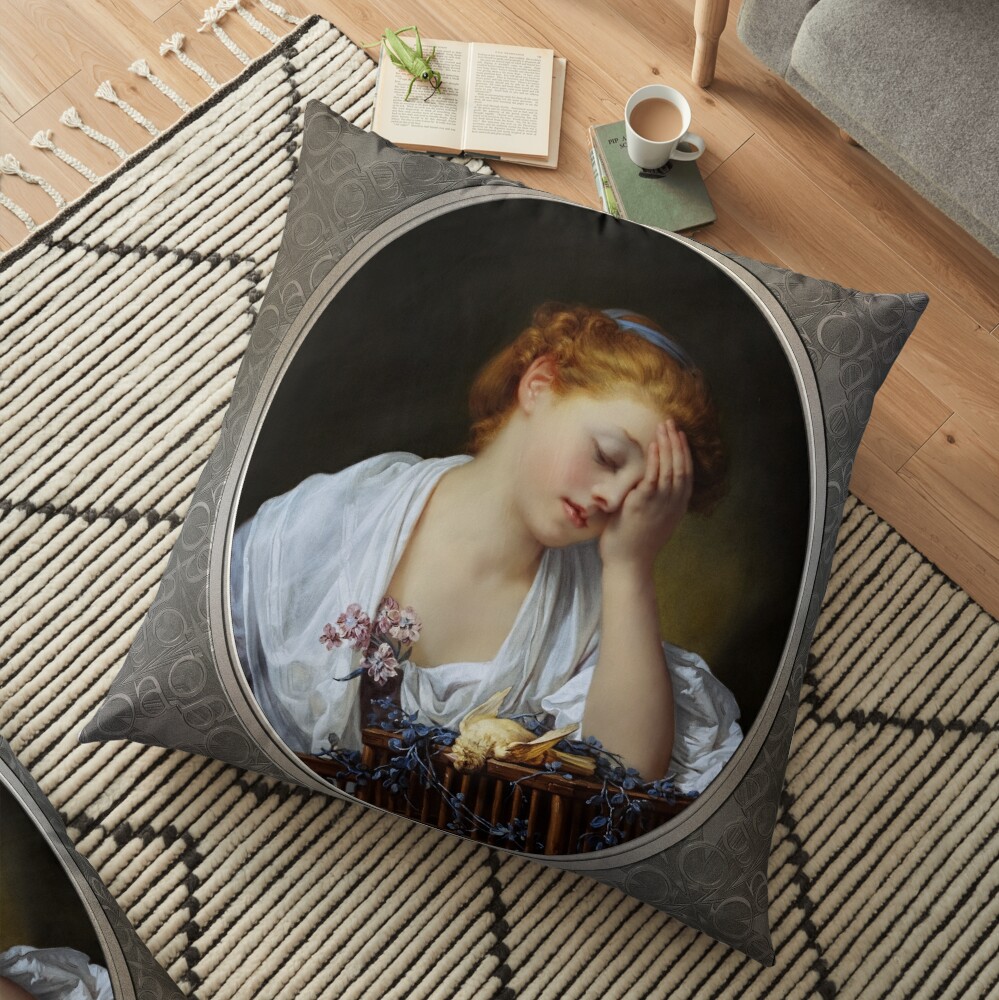
“A Girl With A Dead Canary,” painted by French artist Jean-Baptiste Greuze (1725 – 1805), is a poignant and thought-provoking work that reflects the artist’s skill in capturing human emotion through delicate and detailed expressions. Created in the latter half of the 18th century, this piece exemplifies the Rococo and early Neoclassical styles that defined much of Greuze’s career. The emotional intensity of the painting, paired with its subject matter, explores themes of loss, イノセンス, and the fragile nature of life, common concerns of the time.
目次
本題
この作品の中心にあるのは少女のイメージです, 彼女の顔には深い悲しみと思索が表れていた. 少女は自然主義的でありながら理想的な美しさで描かれています, ロココスタイルの特徴, ソフトで, 繊細な顔立ちと滑らかな肌. 彼女の姿勢は気だるいながらも優雅だ, 彼女は右手を額にそっと当てて, まるで悲しみや苦しみに打ちのめされているかのように. 少女の目は半分閉じている, 静かな悲しみの瞬間に彼女の視線は下に向けられていた, シーンに内省と憂鬱の雰囲気を与える.
主題, 見た目は若くて優しいですが, 成熟した感情の深さを伝える. 少女の表情は静かな諦めに満ちている, おそらく彼女の手の中にあるカナリアの死についての考察, 作品の中心的なモチーフとなる. 少女の唇は少し開いている, 内に集中すること、またはため息の始まりを示唆する, 作品全体に広がる喪失感を強める. 彼女はシンプルでエレガントな白い衣装を着ています, それが彼女の神聖な性質を高め、彼女の表現と彼女を取り巻く象徴性に視聴者の注意を集中させます。.
The Dead Canary
少女の左手には死んだカナリアが乗っている, その小さな体は生気がなく、ぐったりしている, 女の子の肌に沿って繊細に配置されています. 鳥の自然の美しさは、その死とはっきりと対照的です, そしてその壊れやすさは、その形を優しく扱うことによって強調されます。. カナリア, 無邪気さと脆さの象徴, 18世紀には喪失のテーマと関連付けられることが多かった, 特に死や苦しみが焦点となる芸術作品においては. 鳥の繊細な羽と鮮やかな黄色, 死んで色褪せたとしても, 少女の白い肌と落ち着いた背景に映える.
構図の中にカナリアを配置することで、少女の悲しみと彼女が抱えている物理的な物体とのバランスが生まれます。. まるで少女の悲しみが鳥の運命と絡み合っているかのよう, 彼女自身の若さと無邪気さの感情的な比喩として機能する, 今は、取り返しのつかない時間の経過や、避けられない死によって損なわれている. カナリアの死は人生の無常の痛ましい象徴となる, 18世紀の芸術と文化の文脈の中で深く共鳴するテーマ.
The Terrain and Materials
絵の背景が暗くて目立たない, 中心の被写体から邪魔にならない、深い茶色と黒の滑らかなグラデーション. この微妙な背景は、少女の繊細な肌の色調とカナリアの明るい黄色の羽との顕著なコントラストを生み出します。, 被写体と彼女の身振りを通して伝わる感情表現と象徴性に全注意を集中する. アーティストの光と影の使い方は、少女の顔立ちの柔らかさと服装の質感を強調しています。, もろさと脆弱さの全体的な雰囲気をさらに高める.
アーティストが油絵の具を選択したことで、滑らかな絵が可能になりました。, ほぼビロードのような仕上がり, 女の子の肌の細部まで, 髪, 絶妙なリアリズムで表現されたカナリア. 少女の白いドレスの質感は特に注目に値します, 光と影を大切に描いた繊細な折り目や繊細な折り目. このテクニックは、ファブリックとテクスチャのレンダリングにおける Greuze の熟練を反映しています。, それは彼の作品の特徴でした. オイルは、少女の肌上の微妙な光の遊びを捉える役割も果たします。, 彼女にソフトを貸す, 作品全体の感情的な影響を高める輝かしい性質.
絵画内の素材と光の使い方により、まるで本物のような臨場感が生まれます。, グルーズが捉えた親密な瞬間に見る者を引き込む. 少女の表情や手の姿勢にまでこだわりがあり、思索を誘います。, この作品は、深く感動的で内省的な作品となっています.
スタイル, テーマ, と気分
ロココ様式, 優雅さを重視することで知られる, 優雅, と感情的な強さ, それは、少女の服装の軽さとカナリアの細部に明らかです。. しかしながら, グルーズの絵画は単なるロココの軽薄さを超えています, アーティストはより本格的なものを採用しています, 道徳的および感情的なテーマに対する新古典派の関心が台頭していることに一致する、内省的なトーン. アーティストは人間の感情に焦点を当てています, 特に喪失に伴う複雑でしばしば痛みを伴う感情, ライターからの移行を示唆しています, ロココ芸術のより装飾的なテーマを、より陰鬱で内省的なアプローチに.
絵の雰囲気は静かな悲しみのようなものです, 少女の瞑想と、死すべきカナリアの象徴性が、死すべき運命についての瞑想として機能する, イノセンス, そして人生のもろさ. この絵は見る人に共感と内省の感覚を呼び起こします, 少女の顔の表情は、傷つきやすさと喪失の必然性の両方を示唆しているため、. この感情の深さと繊細さがグルーズの作品の特徴です, それはしばしば強い心を呼び起こそうとしました, 視聴者からの感情的な反応, 特に感情の激しさの瞬間における若い人物の描写を通して.
喪失というテーマ “A Girl With A Dead Canary” 人間の悲しみの経験と、悲しみの小さな瞬間が感情的な反映によって増幅される方法について語っています。. 少女の悲痛な表情, 死んだ鳥の繊細な静けさと組み合わされて, 無邪気さのもろさの視覚的な比喩を形成する, 若者, そして人生そのもの. 瞑想的な作品です, 鑑賞者に存在の一時的な性質と避けられない時間の経過について考えるよう促します。.
結論
“A Girl With A Dead Canary” ジャン=バティスト・グルーズの詳細で表現力豊かな肖像画を通じて深い感情と思索を呼び起こす能力の見事な例です。. 光の使用を通じて, テクスチャ, と象徴性, グルーズは美と喪失の間の微妙なバランスを捉えています, 無実と死の可能性. 絵の陰鬱な雰囲気, 絶妙な技術的実行と組み合わせて, この作品は人間の経験を見事に表現し、人生のはかなさについての痛切な瞑想となっています。.
これは、オンラインで購入できるパブリック ドメインのイメージのリマスターされたデジタル アートの古いマスターの複製です。 ロールドキャンバスプリント.
このデジタルアート作品は、, Xzendor7 Web サイトにあるすべてのアートワークと同様に、キャンバス プリントを含むさまざまな素材形式でオンラインで購入できます。, アクリルプリント, メタルプリント, 木版, 額入りプリント, ポスター, ロール状のキャンバス プリントとしてさまざまなサイズでご利用いただけます。 12 インチから 72 インチは、実際のアートワークのサイズと、アートを購入するために選択したオンデマンド プリント ショップによって異なります。.
このアートワークは、幅広いメンズおよびウィメンズのアパレルでも利用可能です, マグカップ, トートバッグ, スカーフ, ノートや日記帳、その他多くの室内装飾品.
Photo Retouching Of Portrait Of A Girl With A Dead Canary
アーティストについて
以下の情報はから派生しています NGA.gov
ジャンはトゥルニュで生まれました, フランス 1725 瓦職人の六男として、幼い頃から自分の才能に気づいた; 彼をリヨンに送る, フランス、フランスの肖像画家シャルル・グランドンに師事 (1691 – 1762).
くらいの年齢で 30 彼はリヨンを去った, そしてパリへ旅行しました, フランス王立絵画彫刻アカデミーまたは王立絵画彫刻アカデミーで学ぶ; 当時、アンシャン レジーム後期のフランス最高の美術機関でした。 (旧体制 ~1500 ~ 1789), 廃止されるまで 1793 フランス革命中.
非常に才能があり、1760 年代から 1770 年代には大成功を収めましたが、, ポンパドゥール侯爵夫人などの後援者がいる (1721 – 1764), ロシア皇后エカチェリーナ2世 (r. 1762 – 1796), ラ・ライブ・ド・ジュリーのアンジュ・ローランと (1725 – 1779); 彼の反抗的な性格とアカデミーやサロンの関係者との対立が彼の不幸となることになる; 特にアン・マリー・バビュティとの結婚後は、 1759; それは彼にとって災難となるだろう, 彼女は彼の生徒やシッターとさまざまな関係を持っていたことが知られていたため、, それが彼に収入の喪失と世間の屈辱をもたらした.
結婚生活が終わったとき 34 数年後、彼の妻は多額の和解金を受け取った, そのせいで彼は悲惨な財政状態に陥り、亡くなるまでに 1805 歳の時に 80 彼は破産寸前だった.