

Aanbidding der Koningen (Worship of the Kings) c1620
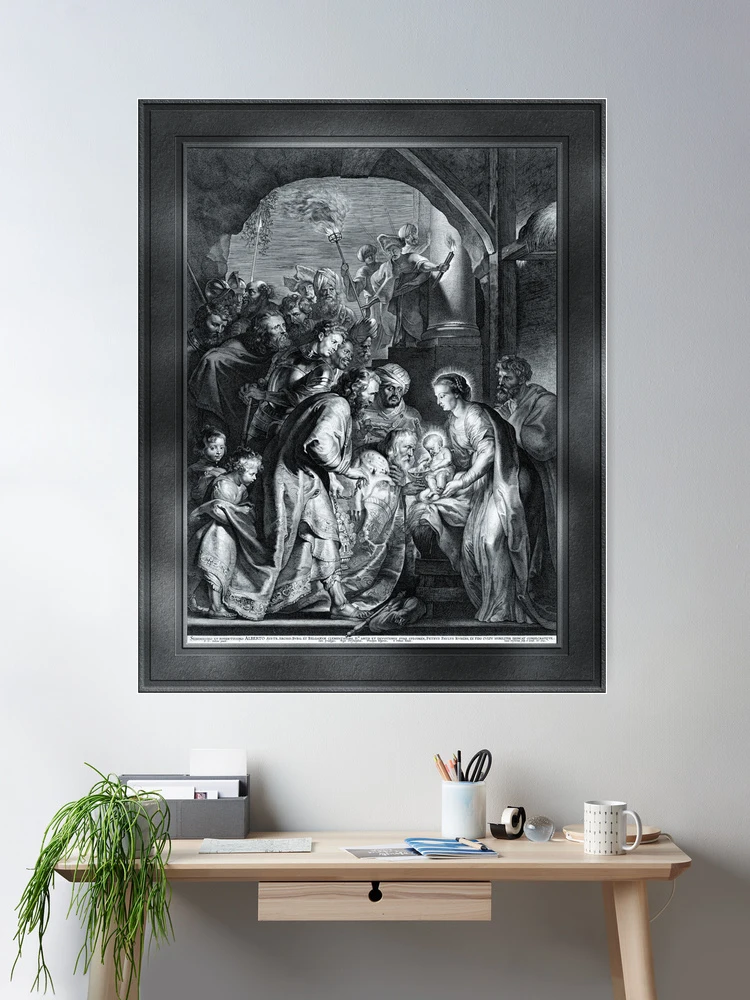
Izenburua duen artelanak Aanbidding der Koningen (Worship of the Kings), inguruan sortua 1620 by Flemish engraver Lucas Vorsterman I (1595 – 1675), after the iconic painting by Peter Paul Rubens (1577 – 1640), stands as a remarkable testament to the high Baroque style of the early 17th century. In this engraving, Vorsterman captured the grandeur and opulence of Rubens’ original work, emphasizing the sacredness of the scene with his finely detailed rendering. Rubens, renowned for his mastery in both painting and composition, had an immense influence on the artistic environment of his time, and Vorsterman’s engraving is an extraordinary reflection of that influence.
Edukien taula
Gai nagusia: The Adoration of the Kings
Honen gai nagusia arte erlijiosoa Bibliako istorioaren inguruan dabil Erregeen Adorazioa, kristau tradizioaren une esanguratsua, hiru Errege Magoek Belengo Jesus haurrari egindako bisita oroituz. Gertaera hau, sarritan Epifania bezala aipatzen da, grabatuan begirune eta ikara sentsazio handiarekin irudikatzen da.
Hiru erregeak, jantzi distiratsuz jantzita, belaunikatu Kristo jaioberriaren aurrean, urrezko opariak eskainiz, intsentsua, eta mirra. Errege bakoitzak estilo berezia du eskualde desberdinak irudikatzeko: Afrikako erregea, koroa eta aberastasunez apaindutako jantziak, xehetasun korapilatsuak, Asiako erregea, era berean luxuzko ehunekin jantzita, eta Europako erregea, errege armaduraz eta kapaz jantzita. Haien jantzien handitasunak euren estatus altuaren eta omenaldiaren garrantziaren isla da.
Konposizioaren erdigunean, Andre Maria, soineko sinple baina dotore batekin jantzita, leunki eusten dio Jesus haurra. Umea, argi distiratsu batez inguratuta, gorantz begiratzen du inozentzia lasaiarekin, Mariaren adierazpenak, berriz, amaren debozioa eta bakea dario. Haren ondoan San Jose dago, zeinen begirada, leuna izan arren, popa da indar lasai batekin une santua gainbegiratzen duen bitartean.
Atzeko planoa eta ezarpena
Eszenatokia apala da, hala ere dotorea, egonkorra, urruneko iturri batetik ateratzen den argi leunez argiztatua, zeinak jainkozko presentzia edo Errege Magoak jaioterrira gidatu zituen izarren distira naturala irudika lezake. Ukuilua landatarra da, zurezko habeekin eta lastozko teilatu soil batekin, eszenaren lurreko izaera iradokiz, hala ere, irudiek eta haien jantziek ingurune xumearen sakratutasuna goratzen dute.
Atzealdean, zifra gehigarri batzuk, including shepherds and angels, are scattered. These figures further emphasize the holiness of the event, underscoring the narrative of the Son of God being born to both commoners and royalty. Some figures, like the angel to the left, hold up a torch or a light source, guiding the way for the visitors, while others kneel in prayerful adoration.
Materialak eta euskarria
The engraving is executed with remarkable skill, showcasing Vorsterman’s deft use of line and shading to create depth and texture. The work is executed in black and white, with an intricate play of light and shadow that brings the figures to life. Vorsterman’s engraving technique, which involves using fine lines and cross-hatching to convey tonal variations, allows for the scene to emerge with a heightened sense of realism. The precise detailing in the figures’ faces, arropa, and the surrounding environment gives the viewer the sense of being transported into the historical moment.
Rubens’ original oil painting, which served as the inspiration for this engraving, was itself known for its rich color palette and emotional intensity. Vorsterman, hala ere, chose to translate that emotional power into a more restrained and formal medium, focusing instead on the clarity and delicacy of the engraving’s fine details. The result is a piece that captures both the grandeur of Rubens’ vision and the more somber, introspective qualities of the religious narrative.
Estiloa eta aldartea
The engraving reflects the Baroque style in its use of dramatic contrasts of light and shadow, the sense of movement in the figures, and the overall grandeur of the scene. While Baroque art is often associated with emotional intensity, this engraving emphasizes the reverence and humility of the moment, creating a meditative atmosphere. Hiru erregeak, with their elaborate garments, gesture toward the Christ child with a profound sense of adoration and submission. The royal figures, although dressed in magnificent attire, are shown to be at the service of the divine, demonstrating the humility and devotion central to the Christian message.
The figures of the Magi and their offerings suggest not only material wealth but also a deep spiritual reverence for the infant Jesus. The contrast between the kings’ regal clothing and the simplicity of the stable and its inhabitants further emphasizes the divine nature of Christ’s birth, elevating the moment to something both universal and sacred. This duality of opulence and humility is one of the hallmarks of Baroque religious art, which sought to inspire awe while encouraging reflection on the themes of faith, jainkotasuna, and human submission to a higher power.
Objektuak eta sinbolismoa
The most important objects in the composition are the gifts offered by the kings—gold, intsentsua, and myrrh—each of which carries profound symbolism. Gold represents Christ’s kingship, frankincense his divinity, and myrrh his future suffering and death. These gifts are not only tokens of respect but also foreshadow the life and sacrifice of Christ. Gainera, the light that illuminates the scene is symbolic of divine revelation, guiding the kings and all who observe the scene toward the realization of Christ’s divine nature.
The presence of the shepherds and angels in the background further emphasizes the spiritual significance of the event. The shepherds, often representing the humble and faithful, stand in contrast to the regal kings, underscoring the universality of Christ’s birth. The angels, with their light-bearing torches, further suggest the divine presence, reinforcing the notion of Christ as the Light of the World.
Bukaera
Bukatzeko, Aanbidding der Koningen (Worship of the Kings) is a masterful depiction of the Nativity story, executed with grace, reverence, eta xehetasun korapilatsua. Through Vorsterman’s expert engraving, the emotional and spiritual significance of Rubens’ original painting is preserved, offering a visual meditation on the themes of kingship, jainkotasuna, and sacrifice. The rich iconography, xehetasun finak, and careful composition invite the viewer to not only witness the adoration of Christ but to also reflect on the deeper spiritual meanings that underlie the momentous occasion.
Hau arte digitala ukituta dagoen domeinu publikoko irudi baten erreprodukzioa da.
Artist Bio Is Derived From Wikipedia.org
Lucas Vorsterman I also known as Lucas Vorsterman the Elder was Baroque period Dutch engraver born in Zaltbommel, Herbehereak.
It is believed that about 1618 that Vorsterman joined the workshop of Peter Paul Rubens (1577 – 1640); eta handik 1619 eta 1621 was Rubens sole engraver; as Rubens had embarked on a printmaking enterprise to engrave a number of his notable paintings.
But in 1621 a serious dispute arose between the two men, which is believed to have centered on who owne the authorial rights to the prints that Vorsterman had engraved that were based on the works of Ruben.
The dispute was serious enough that Ruben’s lawyers petitioned the authorities for an order of protection, which was granted and which ended the working relationship between the two men.
In 1624 Vorsterman traveled to England and continued his engraving work through the patronage of royalty and the nobility; returning to Antwerp, the Netherlands in 1630 as one of the engravers selected by Anthony van Dyck (1599 – 1641) to engrave plated for his Iconography, executing twenty two of the original eighty plates.
As Vorsterman grew older he lost his eyesight, living in poverty and getting by with the support of the Antwerp Guild of St Luke, urtean hil zen arte 1675.