

Aanbidding der Koningen (王たちの崇拝) c1620
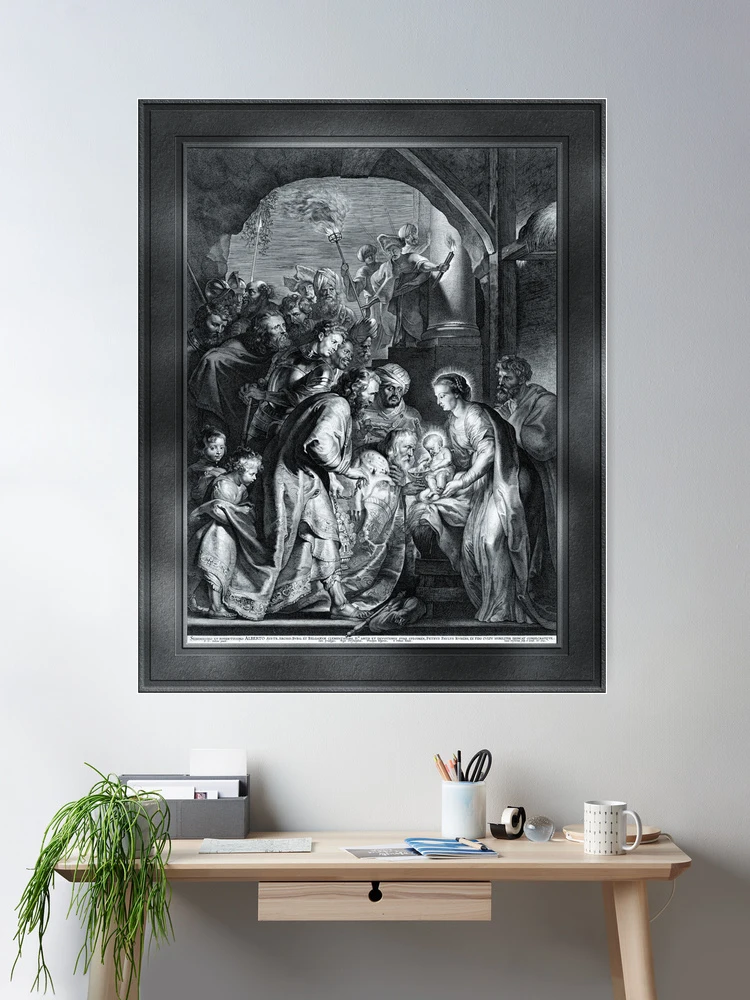
タイトルのアートワーク Aanbidding der Koningen (王たちの崇拝), 周りに作成されます 1620 by Flemish engraver Lucas Vorsterman I (1595 – 1675), after the iconic painting by Peter Paul Rubens (1577 – 1640), stands as a remarkable testament to the high Baroque style of the early 17th century. In this engraving, Vorsterman captured the grandeur and opulence of Rubens’ original work, emphasizing the sacredness of the scene with his finely detailed rendering. ルーベンス, renowned for his mastery in both painting and composition, had an immense influence on the artistic environment of his time, and Vorsterman’s engraving is an extraordinary reflection of that influence.
目次
主な主題: The Adoration of the Kings
The central theme of this religious artwork revolves around the biblical story of the Adoration of the Kings, a significant moment in Christian tradition commemorating the visit of the three Magi to the infant Jesus in Bethlehem. This event, often referred to as the Epiphany, is depicted in the engraving with an immense sense of reverence and awe.
The three kings, dressed in resplendent attire, kneel before the newborn Christ, offering their gifts of gold, frankincense, and myrrh. Each king is uniquely styled to represent different regions: the African king, wearing a crown and robes adorned with rich, 複雑な詳細, the Asian king, similarly dressed with luxurious fabrics, and the European king, attired in royal armor and cloak. The grandeur of their garments serves as a reflection of their high status and the importance of their tribute.
構図の中心にあるのは, the Virgin Mary, シンプルかつエレガントなガウンを着た, 幼子イエスを優しく抱きしめる. 子供, 輝く光に包まれて, 穏やかな無邪気さで上を見つめる, 一方、マリアの表情には母性の献身と平和がにじみ出ています。. 彼女の隣には聖ヨセフが立っています, 誰の視線, 穏やかですが, 静かな強さで厳しい表情で聖なる瞬間を見守る.
背景と設定
現場の設定は質素なものだが、, それでいて雄大な, 安定した, 遠くの光源から発せられる柔らかな光に照らされて, それは神聖な存在、または東方賢者を生誕の地に導いた星の自然な輝きを表している可能性があります。. 厩舎は素朴です, 木の梁とシンプルな茅葺屋根, シーンの地上的な性質を示唆する, しかし、人物とその服装は、質素な環境の神聖さを高めます。.
バックグラウンドで, いくつかの追加の数字, 羊飼いや天使も含めて, 散らばっている. These figures further emphasize the holiness of the event, underscoring the narrative of the Son of God being born to both commoners and royalty. Some figures, like the angel to the left, hold up a torch or a light source, guiding the way for the visitors, while others kneel in prayerful adoration.
素材と媒体
The engraving is executed with remarkable skill, showcasing Vorsterman’s deft use of line and shading to create depth and texture. The work is executed in black and white, with an intricate play of light and shadow that brings the figures to life. Vorsterman’s engraving technique, which involves using fine lines and cross-hatching to convey tonal variations, allows for the scene to emerge with a heightened sense of realism. The precise detailing in the figures’ faces, 衣類, and the surrounding environment gives the viewer the sense of being transported into the historical moment.
Rubens’ original oil painting, which served as the inspiration for this engraving, was itself known for its rich color palette and emotional intensity. Vorsterman, しかしながら, chose to translate that emotional power into a more restrained and formal medium, focusing instead on the clarity and delicacy of the engraving’s fine details. The result is a piece that captures both the grandeur of Rubens’ vision and the more somber, introspective qualities of the religious narrative.
スタイルと雰囲気
The engraving reflects the Baroque style in its use of dramatic contrasts of light and shadow, the sense of movement in the figures, and the overall grandeur of the scene. While Baroque art is often associated with emotional intensity, this engraving emphasizes the reverence and humility of the moment, creating a meditative atmosphere. The three kings, with their elaborate garments, gesture toward the Christ child with a profound sense of adoration and submission. The royal figures, although dressed in magnificent attire, are shown to be at the service of the divine, demonstrating the humility and devotion central to the Christian message.
The figures of the Magi and their offerings suggest not only material wealth but also a deep spiritual reverence for the infant Jesus. The contrast between the kings’ regal clothing and the simplicity of the stable and its inhabitants further emphasizes the divine nature of Christ’s birth, elevating the moment to something both universal and sacred. This duality of opulence and humility is one of the hallmarks of Baroque religious art, which sought to inspire awe while encouraging reflection on the themes of faith, 神性, and human submission to a higher power.
オブジェクトと象徴性
The most important objects in the composition are the gifts offered by the kings—gold, frankincense, and myrrh—each of which carries profound symbolism. Gold represents Christ’s kingship, frankincense his divinity, and myrrh his future suffering and death. These gifts are not only tokens of respect but also foreshadow the life and sacrifice of Christ. 加えて, the light that illuminates the scene is symbolic of divine revelation, guiding the kings and all who observe the scene toward the realization of Christ’s divine nature.
The presence of the shepherds and angels in the background further emphasizes the spiritual significance of the event. The shepherds, often representing the humble and faithful, stand in contrast to the regal kings, underscoring the universality of Christ’s birth. The angels, with their light-bearing torches, further suggest the divine presence, reinforcing the notion of Christ as the Light of the World.
結論
結論は, Aanbidding der Koningen (王たちの崇拝) is a masterful depiction of the Nativity story, executed with grace, 敬意, and intricate detail. Through Vorsterman’s expert engraving, the emotional and spiritual significance of Rubens’ original painting is preserved, offering a visual meditation on the themes of kingship, 神性, そして犠牲を払う. The rich iconography, fine details, and careful composition invite the viewer to not only witness the adoration of Christ but to also reflect on the deeper spiritual meanings that underlie the momentous occasion.
これは、パブリックドメインの画像のレタッチされたデジタルアートオールドマスターの複製です.
アーティストの略歴の由来 Wikipedia.org
ルーカス・フォルスターマン私は、ルーカス・フォルスターマン長老としても知られ、ザルトボメル生まれのバロック時代のオランダ人彫刻家でした。, オランダ.
約 1618 フォルスターマンがピーター・パウル・ルーベンスのワークショップに参加したこと (1577 – 1640); とから 1619 そして 1621 ルーベンスの唯一の彫刻家でした; ルーベンスは数多くの著名な絵画を彫刻するために版画事業に乗り出したのと同じように、.
X夫人 1621 二人の男の間で深刻な論争が起こった, これは、フォルスターマンがルーベンの作品に基づいて彫刻した版画の著作権を誰が所有するかを中心に考えられていたと考えられています。.
論争は深刻だったので、ルーベンの弁護士は当局に保護命令を申し立てた, それが認められ、二人の人間関係は終わった.
に 1624 フォルスターマンはイギリスに旅行し、王族や貴族の後援を受けながら彫刻の仕事を続けました。; アントワープに戻る, オランダで 1630 アンソニー・ヴァン・ダイクによって選ばれた彫刻家の一人として (1599 – 1641) 彼の図像のためにメッキを彫刻する, オリジナルの 80 枚のプレートのうち 22 枚を実行.
フォルスターマンは成長するにつれて視力を失った, 貧しい生活を送っているが、アントワープ聖ルカギルドの援助で暮らしている, 彼の死まで 1675.