

Achilles at the Court of Lycomedes
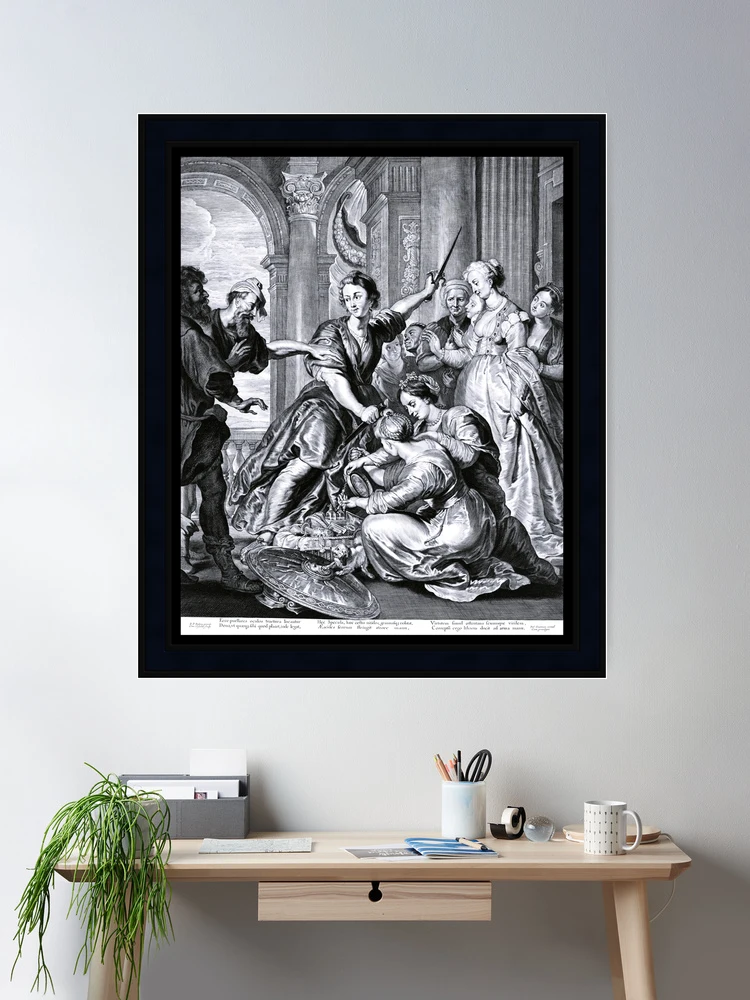
“Achilles at the Court of Lycomedes” és un gravat created by the Dutch Golden Age artist Cornelis Visscher (1629 – 1662). The engraving was produced after a painting by the renowned Flemish artist Peter Paul Rubens, and it depicts a moment from Greek mythology when the hero Achilles is in hiding at the court of King Lycomedes. The narrative of the engraving is rooted in the mythological tale of Achilles, OMS, disguised as a girl, is sheltered at the court to avoid going to war in the Trojan conflict. This scene captures the intrigue, tensió, and the dramatic allure of the Greek myth in a detailed, baroque style typical of Visscher’s engravings, showcasing the artist’s mastery of linework and textural contrasts.
Taula de continguts
El tema principal
At the center of the engraving, Achilles is portrayed in the midst of a complex social interaction, caught between the identities of a young woman and a hero of great renown. The subject of the image is based on the moment when Achilles, who had been sent to Lycomedes’ court by his mother to avoid conscription into the Trojan War, is discovered. His true identity, hidden beneath a guise of femininity, begins to unravel through the various characters’ scrutiny around him.
La figura central d'Aquil·les és clarament un home jove vestit amb les belles túnices d'una dona, amb la cara parcialment enfosquida pel seu llarg, cabell fosc i tocat elaborat. El seu llenguatge corporal traspua una sensació de malestar i desafiament, com si estigués atrapat entre dos mons, la seva veritable naturalesa i la seva disfressa actual.
La figura d'Aquil·les destaca no només per la seva posició al centre de l'escena sinó també pel contrast entre la seva postura i les reaccions de la gent que l'envolta.. La seva postura suggereix que està intentant mantenir la compostura, amb la mà esquerra a punt com per defensar-se o afirmar la seva presència. Els seus ulls afilats semblen tenir una sensació de coneixement del seu destí, encara que s'embolica en la narració de l'engany. Aquil·les’ juvenil, però el físic musculos deixa entreveure la seva veritable identitat com a guerrer poderós, fins i tot quan s'amaga darrere la màscara del decor femení.
The Figures Surrounding Achilles
Al voltant d'Aquil·les hi ha diversos individus més, cadascun contribuint a la complexitat temàtica de la peça. A l’esquerra, un home amb barba fosca mira a Aquil·les amb una barreja de curiositat i reconeixement. La seva postura és més relaxada, i la seva expressió és reflexiva, com si ja fos conscient del secret que Aquil·les intenta mantenir. A la dreta, un grup de dones sembla estar xafardejant o comentant Aquil·les’ comportament estrany, les seves cares mostraven una barreja de sospita, sorpresa, i diversió. Aquestes figures van elegantment vestides amb indumentària d'època típica del segle XVII, reflectint les jerarquies socials de l'època més que l'entorn grec antic.
Una de les dones, the closest to Achilles, is holding an object—possibly a crown or other piece of jewelry—symbolizing the impending revelation of Achilles’ true status. The juxtaposition of these figures with Achilles, dressed in a manner so at odds with his true identity, builds a sense of tension in the engraving. This tension mirrors the larger theme of hidden identities, secrecy, and the inevitable clash between fate and personal agency in mythology.
The Setting and Objects
The scene takes place inside a lavishly decorated palace, a setting befitting the opulence of a king’s court. The architecture behind the figures is grandiose, with Corinthian columns and intricate arches that lead the viewer’s eye towards the center of the action. The surroundings, while not the focal point of the artwork, servir com a teló de fons adequat per al drama social que es desenvolupa. L'espai s'il·lumina per la llum que passa per les finestres, llançant ombres dinàmiques que milloren el drama i l'estat d'ànim de l'escena.
A Aquil·les’ peus, diversos objectes estan escampats pel terra. Aquests elements afegeixen un nivell de realisme i detall al gravat, cridant l'atenció de l'espectador cap a la vida quotidiana a la pista. Aquests objectes, potser objectes personals o béns de les dones, inclou peces de roba i complements, possiblement pretenia emfatitzar Aquil·les’ disfressa. La casualitat d'aquests objectes enmig d'una trobada tan alta posa en relleu la dicotomia entre allò mundà i allò heroic., augmentant la tensió entre la identitat oculta d'Aquil·les i el seu destí com a guerrer.
Estil i tècnica
Cornelis Visscher’s engraving exemplifies the Dutch Baroque style, characterized by fine detail, il·luminació dramàtica, and intricate compositions. Visscher’s ability to capture the subtleties of human emotion through expression and posture is evident in this engraving, where the figures are skillfully depicted with varying degrees of intensity and engagement. The stark contrast between light and dark is a hallmark of Baroque art, i en aquesta peça, it serves to heighten the emotional resonance of the scene. The figures are surrounded by deep shadows, with only the central characters receiving full illumination, drawing the viewer’s attention directly to the narrative.
The engraving technique itself is highly detailed, with fine lines and textures that capture the clothing, expressions facials, and intricate architecture. Les delicades tècniques d'ombrejat i tramat creuat donen a les figures una sensació de volum i profunditat, accentuant encara més el dramatisme de l'escena. L'ús de Visscher del gravat en blanc i negre és una eina poderosa, permetent un joc de llums i ombres que millora l'estat d'ànim i augmenta la intensitat del moment dramàtic que es representa.
Tema i estat d’ànim
El tema de la identitat oculta i la inevitable revelació de la veritat recorre tot el gravat. La lluita d'Aquil·les per romandre ocult a la cort de Licomedes simbolitza la tensió entre el desig personal i el destí.. La història mitològica toca temes universals de l'heroisme, identitat, i la càrrega del destí. Les figures que envolten Aquil·les representen les diverses forces que finalment el trauran de l'amagatall i el tornaran al conflicte de guerra., highlighting the tension between Achilles’ attempts at evasion and the inexorable pull of his heroic nature.
The mood of the engraving is one of suspense and quiet drama, underscored by the tension in the air. The characters seem to be on the verge of discovering Achilles’ true nature, and the viewer is left to wonder what will unfold next. This sense of impending revelation is what gives the artwork its emotional power, making it both a snapshot of a moment in time and a timeless exploration of the human condition.
Es tracta d’una reproducció de vells mestres d’art digital retocada d’una imatge de domini públic.
Biografia de l'artista derivada de Wikipedia.org i Art.famsf.org
Cornelis was the eldest of three brothers Jan de Visscher (1636 – 1692-12) an engraver and painter, and Lambert Visscher (1633 – 1690) a printmaker.
Cornelis himself was an engraver and a draftsman and was best known for his portrait prints, that were often a combination of engraving and etching, while is drawings were mostly done with black chalk.
He is believed to have been the student of Haarlem, Nertherlands painter and etcher Pieter Claesz. Soutman (1580 – 1657) and began his career as an engraver in 1649; engraving a series of historical portraits based on the designs of Soutman.
Though Cornelis career was a short one, lasting 10 anys; as he died at the age of 29, he created a large body of work of nearly 200 prints and dozens of drawings.
He was a versatile artist, not only producing portraits, but genre scenes, paisatges, animal studies, biblical and historical scenes as well; both from his own designs and the artwork of contemporary masters of the time and old masters.