

Achilles at the Court of Lycomedes
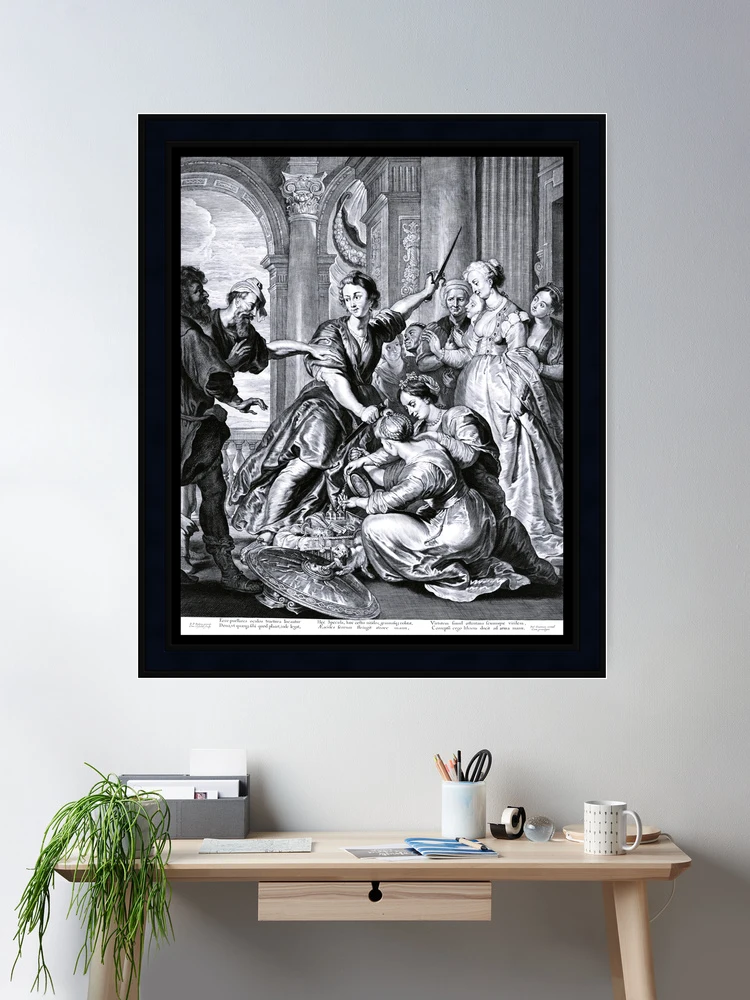
“Achilles at the Court of Lycomedes” é um gravação created by the Dutch Golden Age artist Cornelis Visscher (1629 – 1662). The engraving was produced after a painting by the renowned Flemish artist Peter Paul Rubens, and it depicts a moment from Greek mythology when the hero Achilles is in hiding at the court of King Lycomedes. The narrative of the engraving is rooted in the mythological tale of Achilles, who, disguised as a girl, is sheltered at the court to avoid going to war in the Trojan conflict. This scene captures the intrigue, tension, and the dramatic allure of the Greek myth in a detailed, baroque style typical of Visscher’s engravings, showcasing the artist’s mastery of linework and textural contrasts.
Índice
O assunto principal
No centro da gravura, Aquiles é retratado em meio a uma complexa interação social, preso entre as identidades de uma jovem e de um herói de grande renome. O tema da imagem é baseado no momento em que Aquiles, que foi enviado para Licomedes’ tribunal por sua mãe para evitar o recrutamento para a Guerra de Tróia, é descoberto. Sua verdadeira identidade, escondido sob um disfarce de feminilidade, começa a se desvendar através dos vários personagens’ escrutínio ao seu redor.
The central figure of Achilles is clearly a young man dressed in the fine robes of a woman, with his face partly obscured by his long, dark hair and elaborate headpiece. His body language exudes a sense of both discomfort and defiance, as though he is trapped between two worlds, his true nature and his current disguise.
The figure of Achilles stands out not only because of his position at the center of the scene but also due to the contrast between his posture and the reactions of the people around him. His pose suggests that he is trying to maintain composure, with his left hand poised as if to either defend himself or assert his presence. His sharp eyes seem to hold a sense of knowledge of his fate, even as he is entangled in the narrative of deception. Achilles’ youthful, yet muscular physique hints at his true identity as a powerful warrior, even when concealed behind the mask of feminine decorum.
As figuras que cercam Aquiles
Surrounding Achilles are several other individuals, each contributing to the thematic complexity of the piece. Para a esquerda, a man with a dark beard gazes at Achilles with a mixture of curiosity and recognition. His posture is more relaxed, and his expression is thoughtful, as though he may already be aware of the secret Achilles is attempting to keep. Para a direita, a group of women seems to be gossiping or commenting on Achilles’ strange demeanor, their faces displaying a mixture of suspicion, surprise, and amusement. These figures are elegantly dressed in period attire typical of the 17th century, reflecting the social hierarchies of the time rather than the ancient Greek setting.
Uma das mulheres, the closest to Achilles, está segurando um objeto – possivelmente uma coroa ou outra joia – simbolizando a revelação iminente de Aquiles’ verdadeiro status. A justaposição dessas figuras com Aquiles, vestido de uma maneira tão contrária à sua verdadeira identidade, cria uma sensação de tensão na gravura. Esta tensão reflete o tema mais amplo das identidades ocultas, segredo, e o conflito inevitável entre destino e agência pessoal na mitologia.
O cenário e os objetos
A cena se passa dentro de um palácio ricamente decorado, um cenário condizente com a opulência da corte de um rei. A arquitetura por trás das figuras é grandiosa, com colunas coríntias e arcos intrincados que conduzem o olhar do espectador para o centro da ação. Os arredores, embora não seja o ponto focal da obra de arte, serve as a fitting backdrop to the social drama unfolding. The space is illuminated by light pouring through windows, casting dynamic shadows that enhance the drama and mood of the scene.
At Achilles’ feet, several objects are scattered on the floor. These items add a level of realism and detail to the engraving, drawing the viewer’s attention to the daily life at the court. These objects, perhaps personal trinkets or possessions of the women, include items of clothing and accessories, possibly meant to emphasize Achilles’ disguise. The casualness of these objects in the midst of such a high-stakes encounter underscores the dichotomy between the mundane and the heroic, heightening the tension between Achilles’ hidden identity and his destiny as a warrior.
Estilo e técnica
Cornelis Visscher’s engraving exemplifies the Dutch Baroque style, characterized by fine detail, iluminação dramática, and intricate compositions. Visscher’s ability to capture the subtleties of human emotion through expression and posture is evident in this engraving, where the figures are skillfully depicted with varying degrees of intensity and engagement. The stark contrast between light and dark is a hallmark of Baroque art, and in this piece, it serves to heighten the emotional resonance of the scene. The figures are surrounded by deep shadows, with only the central characters receiving full illumination, drawing the viewer’s attention directly to the narrative.
The engraving technique itself is highly detailed, with fine lines and textures that capture the clothing, facial expressions, and intricate architecture. As delicadas técnicas de sombreamento e hachura dão às figuras uma sensação de volume e profundidade, acentuando ainda mais o drama da cena. O uso da gravação em preto e branco por Visscher é uma ferramenta poderosa, permitindo uma interação de luz e sombra que melhora o clima e aumenta a intensidade do momento dramático retratado.
Tema e humor
O tema da identidade oculta e da inevitável revelação da verdade permeia a gravura. A luta de Aquiles para permanecer escondido na corte de Licomedes simboliza a tensão entre o desejo pessoal e o destino. A história mitológica aborda temas universais de heroísmo, identidade, e o peso do destino. The figures surrounding Achilles represent the various forces that will ultimately bring him out of hiding and back into the conflict of war, highlighting the tension between Achilles’ attempts at evasion and the inexorable pull of his heroic nature.
The mood of the engraving is one of suspense and quiet drama, underscored by the tension in the air. The characters seem to be on the verge of discovering Achilles’ true nature, and the viewer is left to wonder what will unfold next. This sense of impending revelation is what gives the artwork its emotional power, making it both a snapshot of a moment in time and a timeless exploration of the human condition.
Esta é uma reprodução retocada dos antigos mestres de arte digital de uma imagem de domínio público.
BIO do artista derivado de Wikipedia.org e Art.famsf.org
Cornelis was the eldest of three brothers Jan de Visscher (1636 – 1692-12) an engraver and painter, and Lambert Visscher (1633 – 1690) a printmaker.
Cornelis himself was an engraver and a draftsman and was best known for his portrait prints, that were often a combination of engraving and etching, while is drawings were mostly done with black chalk.
He is believed to have been the student of Haarlem, Nertherlands painter and etcher Pieter Claesz. Soutman (1580 – 1657) and began his career as an engraver in 1649; engraving a series of historical portraits based on the designs of Soutman.
Though Cornelis career was a short one, lasting 10 anos; as he died at the age of 29, he created a large body of work of nearly 200 prints and dozens of drawings.
He was a versatile artist, not only producing portraits, but genre scenes, paisagens, animal studies, biblical and historical scenes as well; both from his own designs and the artwork of contemporary masters of the time and old masters.