

Ахиллес при дворе Ликомеда
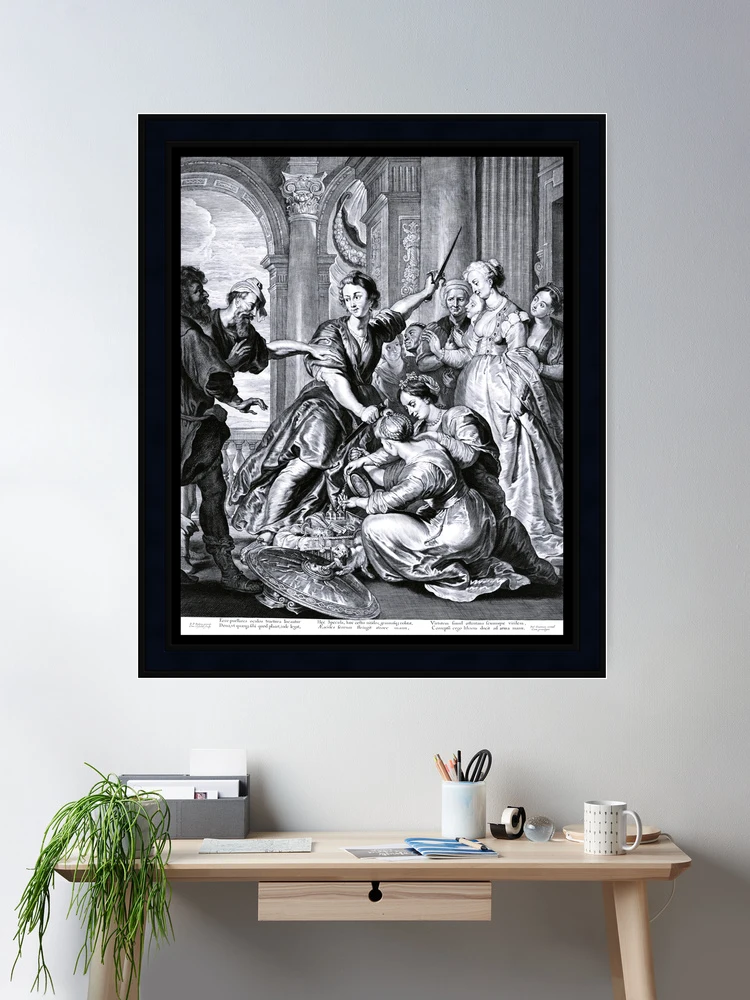
“Ахиллес при дворе Ликомеда” это гравюра создан голландским художником Золотого века Корнелисом Вишером. (1629 – 1662). Гравюра выполнена по картине известного фламандского художника Питера Пауля Рубенса., и на нем изображен момент из греческой мифологии, когда герой Ахилл скрывается при дворе царя Ликомеда.. Сюжет гравюры основан на мифологической сказке об Ахилле., Вечер в Le Pré Catelan, переодетый девушкой, укрывается при дворе, чтобы избежать войны в Троянском конфликте. Эта сцена захватывает интригу, напряжение, и драматическое очарование греческого мифа в подробном, стиль барокко, типичный для гравюр Вишера, демонстрация мастерства художника в работе с линиями и текстурными контрастами..
Оглавление
Основная тема
В центре гравюры, Ахиллес изображен в разгаре сложного социального взаимодействия., застрял между личностью молодой женщины и широко известного героя. Сюжет изображения основан на моменте, когда Ахиллес, которого отправили в Ликомед’ суд его матери, чтобы избежать призыва на Троянскую войну, обнаружен. Его истинная личность, спрятанная под маской женственности, начинает раскрываться через различных персонажей’ пристальное внимание вокруг него.
Центральной фигурой Ахилла явно является молодой человек, одетый в прекрасные женские одежды., с лицом, частично скрытым длинным, темные волосы и изысканный головной убор. Язык его тела излучает чувство дискомфорта и неповиновения., как будто он застрял между двумя мирами, его истинная природа и его нынешняя маскировка.
Фигура Ахилла выделяется не только своим положением в центре сцены, но и контрастом между его позой и реакцией окружающих людей.. Его поза говорит о том, что он пытается сохранить самообладание., с левой рукой, готовый либо защитить себя, либо заявить о своем присутствии. Его острые глаза, кажется, таят в себе ощущение знания своей судьбы., даже несмотря на то, что он запутался в повествовании об обмане. Ахиллес’ молодой, однако мускулистое телосложение намекает на его истинную сущность как могущественного воина., даже когда он скрыт за маской женственности.
Фигуры, окружающие Ахилла
Окружают Ахилла еще несколько человек., каждый вносит свой вклад в тематическую сложность произведения. Слева, a man with a dark beard gazes at Achilles with a mixture of curiosity and recognition. His posture is more relaxed, and his expression is thoughtful, as though he may already be aware of the secret Achilles is attempting to keep. Направо, a group of women seems to be gossiping or commenting on Achilles’ strange demeanor, their faces displaying a mixture of suspicion, surprise, and amusement. These figures are elegantly dressed in period attire typical of the 17th century, reflecting the social hierarchies of the time rather than the ancient Greek setting.
Одна из женщин, the closest to Achilles, is holding an object—possibly a crown or other piece of jewelry—symbolizing the impending revelation of Achilles’ true status. The juxtaposition of these figures with Achilles, dressed in a manner so at odds with his true identity, builds a sense of tension in the engraving. This tension mirrors the larger theme of hidden identities, секретность, and the inevitable clash between fate and personal agency in mythology.
Сеттинг и объекты
The scene takes place inside a lavishly decorated palace, a setting befitting the opulence of a king’s court. The architecture behind the figures is grandiose, with Corinthian columns and intricate arches that lead the viewer’s eye towards the center of the action. The surroundings, while not the focal point of the artwork, serve as a fitting backdrop to the social drama unfolding. The space is illuminated by light pouring through windows, casting dynamic shadows that enhance the drama and mood of the scene.
At Achilles’ feet, several objects are scattered on the floor. These items add a level of realism and detail to the engraving, drawing the viewer’s attention to the daily life at the court. Эти объекты, perhaps personal trinkets or possessions of the women, include items of clothing and accessories, possibly meant to emphasize Achilles’ disguise. The casualness of these objects in the midst of such a high-stakes encounter underscores the dichotomy between the mundane and the heroic, heightening the tension between Achilles’ hidden identity and his destiny as a warrior.
Стиль и техника
Cornelis Visscher’s engraving exemplifies the Dutch Baroque style, characterized by fine detail, драматическое освещение, and intricate compositions. Visscher’s ability to capture the subtleties of human emotion through expression and posture is evident in this engraving, where the figures are skillfully depicted with varying degrees of intensity and engagement. The stark contrast between light and dark is a hallmark of Baroque art, И в этом произведении, it serves to heighten the emotional resonance of the scene. The figures are surrounded by deep shadows, with only the central characters receiving full illumination, drawing the viewer’s attention directly to the narrative.
The engraving technique itself is highly detailed, with fine lines and textures that capture the clothing, выражения лица, and intricate architecture. The delicate shading and cross-hatching techniques give the figures a sense of volume and depth, further accentuating the drama of the scene. Visscher’s use of black and white engraving is a powerful tool, allowing for an interplay of light and shadow that enhances the mood and heightens the intensity of the dramatic moment being depicted.
Тема и настроение
The theme of hidden identity and the inevitable revelation of truth runs throughout the engraving. Achilles’ struggle to remain concealed at Lycomedes’ court symbolizes the tension between personal desire and fate. The mythological story touches on universal themes of heroism, личность, and the burden of destiny. The figures surrounding Achilles represent the various forces that will ultimately bring him out of hiding and back into the conflict of war, highlighting the tension between Achilles’ attempts at evasion and the inexorable pull of his heroic nature.
The mood of the engraving is one of suspense and quiet drama, underscored by the tension in the air. The characters seem to be on the verge of discovering Achilles’ true nature, and the viewer is left to wonder what will unfold next. This sense of impending revelation is what gives the artwork its emotional power, making it both a snapshot of a moment in time and a timeless exploration of the human condition.
Это ретушированная цифровая художественная репродукция старых мастеров изображения из общественного достояния..
Биография художника получена из Wikipedia.org и Art.famsf.org
Корнелис был старшим из трех братьев Яна де Висшера. (1636 – 1692-12) гравер и художник, и Ламберт Висшер (1633 – 1690) гравер.
Сам Корнелис был гравером и рисовальщиком и был наиболее известен своими портретными гравюрами., которые часто представляли собой комбинацию гравировки и травления, в то время как рисунки в основном делались черным мелом.
Считается, что он был учеником Харлема., Нидерландский художник и офортист Питер Клас.. Саутман (1580 – 1657) и начал свою карьеру гравером в 1649; гравюра серии исторических портретов по эскизам Сутмана.
Хотя карьера Корнелиса была короткой, прочный 10 годы; так как он умер в возрасте 29, он создал большое количество работ почти 200 гравюры и десятки рисунков.
Он был разносторонним художником, не только делать портреты, но жанровые сцены, пейзажи, исследования на животных, библейские и исторические сцены, а также; как по его собственным эскизам, так и по произведениям современных мастеров того времени и старых мастеров.