

아픈 사람을 돌보기 위해 (시리즈 제목 – 일곱 가지 자비 행위) c1665-70
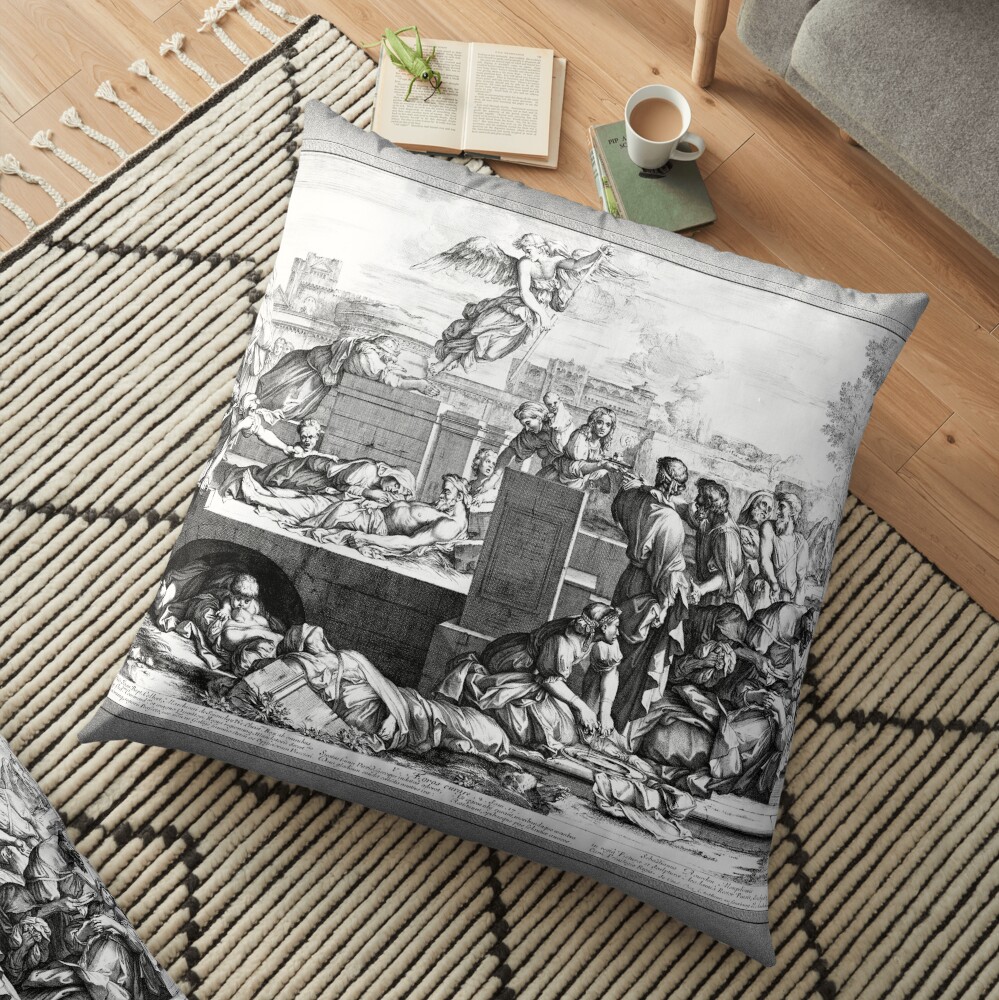
“아픈 사람을 돌보기 위해 (병자를 치료하기 위해),” 유명한 시리즈의 일부 “일곱 가지 자비 행위,” 사이에 생성되었습니다. 1665 과 1670 프랑스 조각가 세바스티앙 부르동(Sébastien Bourdon)의 작품 (1616 – 1671). 이 훌륭한 작품, 절묘한 디테일로 표현된, 자비라는 주제에 대한 설득력 있는 해석을 제시합니다., 특히 병자와 고통받는 사람들을 돌보는 행위에 중점을 두고 있습니다.. 바로크시대 작품으로, 이 시대의 특징인 정서적 깊이와 복잡한 내러티브 스타일을 모두 담고 있습니다.. NS 조각 개인이 제공하는 보살핌의 엄숙하고 자비로운 본질을 포착합니다., 자비와 신의 개입에 대한 더 넓은 이야기 안에 위치시키기.
목차
주요 주제 및 구성
조각의 중앙 주제에는 아픈 사람을 돌보는 과정을 감독하는 천사가 그려져 있습니다., 다양한 질병이나 허약 상태로 묘사된 다양한 인간 형상. 중앙에 눈에 띄게 위치하는 것은 기대어 있는 인물이다., 죽음의 순간에 있는 것 같아, 장면의 중심 역할을 하는 곳. 이 중앙 인물 주변에는 다른 여러 개인이 있습니다., 일부는 비슷한 질병 상태에 있음, 다른 사람들은 위안이나 보살핌을 주는 행동에 참여하는 것처럼 보입니다..
관람자의 시선을 원형의 흐름으로 유도하도록 구성되어 있다, 위에 떠 있는 천사에서 아래의 캐릭터로 이동. 천사, 신성한 자세로 자리잡은, 영적인 도움과 위로의 몸짓으로 손을 뻗는다. 이 천상의 존재는 지상에 묘사된 평범한 고통과 대조를 이룹니다., subtly suggesting a divine intervention in human suffering.
지형과 배경
The background of the piece is rich with Baroque architectural elements, hinting at a Roman-inspired setting. The cityscape seen in the distance provides a sense of context, perhaps linking the narrative of mercy to the broader world outside the confines of the immediate scene. The far-off structures appear faded and distant, emphasizing the solemn nature of the foreground where the acts of mercy are taking place.
지형, visible beneath the central figure, is uneven and fragmented, almost as if the earth itself is in disarray. This serves as a visual metaphor for the suffering and fragility of human life. The lower portions of the engraving show figures lying on the ground, some prone and others sitting or standing with expressions of sorrow and distress. 이 수치, although suffering, are being tended to by others who are portrayed as compassionate caregivers.
스타일과 테크닉
Bourdon’s technique is emblematic of the Baroque style, characterized by dramatic contrasts of light and shadow, a clear delineation of figures, and a deep emphasis on emotional expression. This particular engraving uses intricate line work to create sharp contrasts between the figures and the background, allowing each character to stand out in its own defined space. The heavy use of chiaroscuro enhances the three-dimensional quality of the figures, creating a sense of depth that pulls the viewer into the scene.
그림, though not overly idealized, are beautifully rendered, capturing the human condition with precision and empathy. 부르동의 판화는 종종 공간과 형태에 대한 지적인 이해를 모두 전달합니다., 인간의 고통에 대한 정서적 이해뿐만 아니라. 새겨진 선은 장면에 촉감을 주는 질감을 만들어냅니다., 묘사된 질병과 자비의 냉철한 현실에 시청자를 더 가까이 다가가게 합니다..
주제와 상징
주제 “아픈 사람을 돌보기 위해” (아픈 사람을 돌보다) 일곱 가지 자비 행위 중 하나이다., 그리고 아픈 사람을 돌보는 데 내재된 연민에 초점을 맞춥니다.. 조각은 자비를 신성한 명령으로 강조합니다., 인간의 고통이 육체적, 정신적 도움을 통해 어떻게 완화될 수 있는지 보여줌. 장면의 천사는 하나님의 자비의 상징으로 볼 수 있습니다, 자비의 행위를 수행하는 사람들의 행동을 지도하고 감독합니다..
The sick individuals in the foreground represent the vulnerable and the suffering members of society, while the caregivers symbolize the compassionate individuals who, through divine will or personal volition, tend to the afflicted. The emotional weight of the engraving is enhanced by the presence of death, as the central figure lies at the cusp of life and death, suggesting that even in the face of mortality, mercy and compassion can offer solace and comfort.
The work also has a broader moral and religious message, urging viewers to reflect on their own capacity for mercy and charity toward the suffering in society. The engraving’s focus on the vulnerability of the human condition, paired with the hope and solace brought by mercy, encourages a profound spiritual reflection.
기분과 정서적 영향
The mood of the engraving is somber, reflective, and deeply emotional. The suffering of the individuals is palpable, and the viewer is drawn into the intimate act of caregiving. 하지만, the presence of the angel and the divine guidance it represents offer a sense of hope and comfort. This duality of suffering and mercy creates a tension that enhances the emotional impact of the scene.
The figures are drawn with a deep sense of humanity; their expressions and postures evoke empathy and a connection to the viewer. The viewer is not merely an observer of the scene but is invited to share in the emotions of the figures, whether it be the sorrow of the sick or the compassion of the caregivers. The use of light and dark, particularly the illuminating figure of the angel, also adds a spiritual dimension to the work, suggesting that mercy is a light in the darkness of human suffering.
결론
요약하자면, “아픈 사람을 돌보기 위해” by Sébastien Bourdon is a powerful and emotive engraving that captures the profound themes of mercy, suffering, 그리고 신의 개입. Through the careful arrangement of figures, 빛과 그림자의 극적인 대비, and intricate engravings, Bourdon creates a scene that not only depicts an act of mercy but also invites the viewer into a deeper moral reflection. The work stands as a testament to both the artistic mastery of the Baroque period and the enduring relevance of the themes it explores.
이것은 공개 도메인 이미지의 리마스터링된 디지털 아트 올드 마스터 복제입니다. 캔버스 프린트 온라인.