

Alexander Lord Loughborough c1800
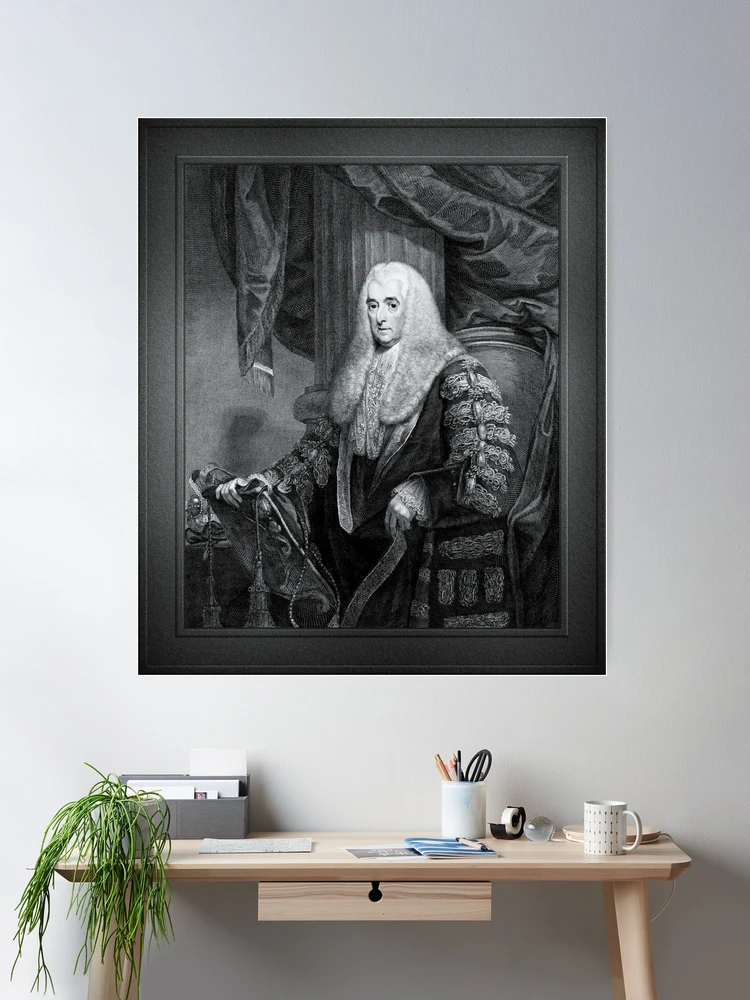
הגרפיקה שכותרתה “Alexander Lord Loughborough c1800” was created by the esteemed Florentine engraver פרנצ'סקו ברטולוצי (1727 – 1815); כמו גם צייר, חבר מייסד של האקדמיה המלכותית וידוע בפופולריות של שיטת החריטה בעפרונות. This fine engraving portrays Alexander Wedderburn 1st Earl of Rosslyn, PC, KC (1733 – 1805); a Scottish lawyer and politician who served in the House of Commons from 1761 ל 1780, and who was raised to the peerage as Baron Loughborough; as well as serving as Lord High Chancellor of Great Britain from 1793 ל 1801.
Lord Alexander Loughborough, an influential figure of the 18th century, dressed in elaborate judicial attire, showcasing the refinement and authority of the era. The image is a detailed depiction of the subject’s dignified posture and lavish robes, which were common among prominent figures of the time.
תוכן העניינים
הנושא העיקרי והדמויות
The central figure of this engraving is Lord Alexander Loughborough, whose distinguished presence commands the viewer’s attention. Lord Loughborough, a British nobleman, is captured sitting in a grand, somewhat solemn pose, dressed in an ornate judicial robe, indicative of his high rank. The fine details in his attire, from the lace cuffs to the richly textured fabric of his robes, underscore his status in society and the era’s appreciation for elaborate fashion and decorum. His countenance, stern yet reflective, is etched in remarkable detail, enhancing the gravitas of his character as a man of power, בִּינָה, and wisdom.
The engraving emphasizes Loughborough’s sense of dignity, with his thoughtful expression paired with his poised stance. His finely carved wig, typical of high-ranking figures during the late 18th century, is a characteristic feature in the work, showcasing both style and the societal norms of the time. It is clear that Bartolozzi sought not only to capture the likeness of his subject but to convey the noble and authoritative qualities that defined Lord Loughborough.
חפצים וסמליות
While the main focus remains on Lord Loughborough, there are several objects present in the artwork that contribute to its overall theme of high social standing and judicial power. The chair on which he rests is elegantly detailed, with its ornate carving and flowing lines, a representation of the grandeur associated with nobility. הרקע, consisting of heavy curtains, further suggests an aura of privacy and exclusivity, perhaps referencing the closed doors of power in which Loughborough operated.
The artist carefully arranges the composition so that every detail of Lord Loughborough’s attire and environment reflects his elevated position within British society. The presence of a scepter-like object near the subject’s hand, while subtle, alludes to the authority and leadership of Loughborough, suggesting his involvement in governance or law. Such items were often used to symbolize control, בִּינָה, and legal jurisdiction, enhancing the prestige of the figure depicted.
שטח ורקע
The background of the engraving is minimal yet effective. The heavy drapes in the background, carved into the frame, create a soft sense of depth while not detracting from the main figure. This subtle backdrop allows the viewer to focus on Lord Loughborough’s persona and attire, without unnecessary distractions. The use of shadow in the background adds dimension and weight to the composition, giving the piece a sense of groundedness, which contrasts with the elevated social standing of the subject.
Though no natural terrain or outdoor environment is directly shown, the sense of grandeur is derived from the interior setting suggested by the draped curtains and luxurious textures. This formal, indoor scene was typical of official portraits during the era, where subjects were depicted in settings that emphasized their status, often within the walls of their own estates or in carefully curated settings.
חומרים וטכניקה
Francesco Bartolozzi was renowned for his skill in engraving, particularly in the delicate art of stipple engraving. This work showcases his mastery of light and shade, which he achieved through the use of tiny dots and fine lines. The use of stipple engraving gives the image a remarkable texture, allowing Bartolozzi to convey both the soft fabric of Loughborough’s robes and the hard, stately contours of his chair and surroundings with equal precision. The cross-hatching and careful shading add depth and dimension, giving the figure a lifelike presence.
The engraving is executed in black and white, a common practice of the time. The contrast between light and dark tones accentuates the detailing in the subject’s facial features and attire, as well as the fabric’s texture. The overall tonal variation also adds to the somber and dignified mood of the piece, with deep shadows enhancing the sense of weightiness and authority surrounding Lord Loughborough.
סִגְנוֹן, נוֹשֵׂא, ומצב רוח
The engraving follows the stylistic conventions of 18th-century portraiture, where the subject is often idealized and their social position is emphasized. This particular engraving, למרות זאת, is not just a portrayal of a nobleman; it is an exploration of status, כָּבוֹד, and the intellectual gravitas of the time. האמן, Bartolozzi, was a master of capturing the essence of his subjects, and this work is a testament to his ability to elevate a simple portrait into something that speaks to the power and authority held by the figure.
The mood of the artwork is formal and introspective. There is a quiet reverence to the way Lord Loughborough is presented, a mood that likely reflects his own demeanor and the respect that he commanded. The fine details, the soft light, and the overall composition of the work give it a solemn yet serene atmosphere, characteristic of portraits intended for public and private admiration during the period.
מַסְקָנָה
“Alexander Lord Loughborough c1800” by Francesco Bartolozzi is a profound example of 18th-century engraving, one that speaks to both the technical brilliance of Bartolozzi and the esteemed position of the subject. Through meticulous detail and subtle use of light and shadow, the engraving not only captures the likeness of Lord Loughborough but also conveys the societal values and attitudes of the time. The engraving’s elegant execution and its focus on the noble and judicial aspects of Loughborough’s life reflect the enduring tradition of portraiture as a means of immortalizing those who shaped history.
To his right is a cloth covered table that seems to have a crown resting on it.
זהו רפרודוקציה של אמנות דיגיטלית מחודשת של אמן ישן של תמונה ברשות הרבים הזמינה בתור א הדפסת קנבס באינטרנט.
ביו אמן
מידע למטה נגזר Wikipedia.org
ברטולוצי נולד בפירנצה, וכמנהג הזמן, חשבו שהוא ילך בדרכו של אביו ויהפוך לצורף זהב וכסף.
זה אמנם ישתנה מאז ברטולוצי הצעיר הראה מיומנות וטעם רב בעיצוב; כתוצאה מכך הוא הוצב תחת פיקוחם של שני אמנים פלורנטיניים, כולל הצייר האיטלקי איגנציו האגפורד (1703 – 1778) והצייר האיטלקי בסגנון הרוקוקו ג'ובאני דומניקו פרטי (1692 – 1768) שהדריך אותו בציור.
לאחר שלוש שנים של הכשרת אמנות, הוא נסע לוונציה כדי ללמוד תחריט; ושש שנים עבד אצל החרט והשרטט הגרמני יוסף וגנר (1706 – 1780), חרט ומוכר הדפסים, לפני שהקים בית מלאכה משלו.
התחריט הראשון שברטולוצי ייצר בוונציה היו צלחות בסגנון של צייר מתקופת הבארוק האיטלקי מרקו ריצ'י (1676 – 1730) וג'קומו פרנצ'סקו זוקרלי (1702 – 1788) צייר נוף מתקופת הבארוק או הרוקוקו המאוחרת.
ואז פנימה 1762 ברטולוצי עבר לרומא לתקופה קצרה, שם השלים סט תחריטים המייצגים ציורי קיר בגרוטאפראטה מאת צייר הבארוק האיטלקי דומניצ'ינו (דומניקו זמפיירי 1581 – 1641) המתאר את חייו של נילוס הקדוש.
הסט הזה של תחריטים והתחריטים שלו של יצירותיו של המאסטר הישן, החל למשוך תשומת לב ציבורית ברחבי אירופה; ובתוך 1763 הוא פגש את ריצ'רד דלטון (1715 – 1791), שַׂרטָט, חרט והספרן המלכותי האנגלי שטייל באיטליה וחיפש רכישות לאוסף האמנות של המלך ג'ורג 'השלישי.
דלטון הציע לו מינוי כחקמן למלך; שברטולוזי קיבל ועזב ללונדון 1764; לשם הוא חי 42 שנים.
במהלך שהותו בלונדון הוא ייצר מספר רב של תחריטים, שכלל את קליטי אחרי הצייר האיטלקי אנניבאל קאראצ'י (1560 – 1609), ושל הבתולה והילד, אחרי צייר הבארוק האיטלקי קרלו דולצ'י (1616/7 – 1686).
חלק גדול מהם הם מיצירותיו של הצייר האיטלקי ג'ובאני בטיסטה ציפריאני (1727 – 1785) והציירת הבריטית אנג'ליקה קאופמן (1741 – 1807). ברטולוזי תרם גם מספר צלחות לגלריית שייקספיר של בוידל.