

Zoriaren alegoria
Zoriaren alegoria: A Study in Transience Salvator Rosaren eskutik
Salvator Rosaren "Alegoria Zoriarena,” artean margotua 1658 eta 1659, alegoria barrokoaren adibide erakargarria da, artistaren sinadura dramatiko estiloa eta giza egoera mundu nahasi baten barruan arakatzea erakutsiz. Margolana Napoliko Capodimonte Museoaren bilduman dago, Italia, eta patuaren izaera kapritxosoaren eta hilkorren aferetan duen eraginaren inguruan zentratutako ikusmen-kontakizun konplexua eskaintzen du. Rosa, bere paisaiengatik eta bidelapurren irudikapenengatik ezaguna, intentsitate berezia ekartzen dio obra alegoriko honi, Fortunaren erretratu konbentzionalagoetatik aldenduz, figura lasai edo onbera gisa.
Edukien taula
Konposizio-dinamika & Central Figure
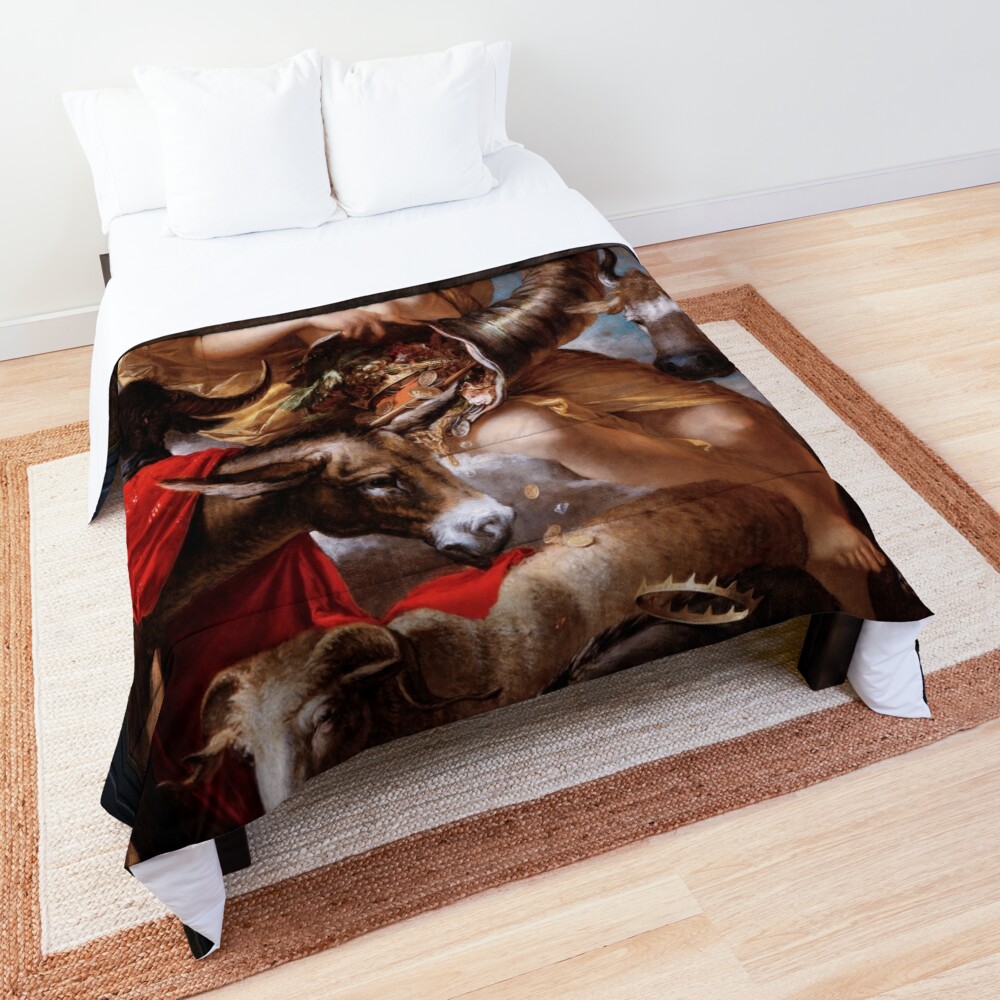
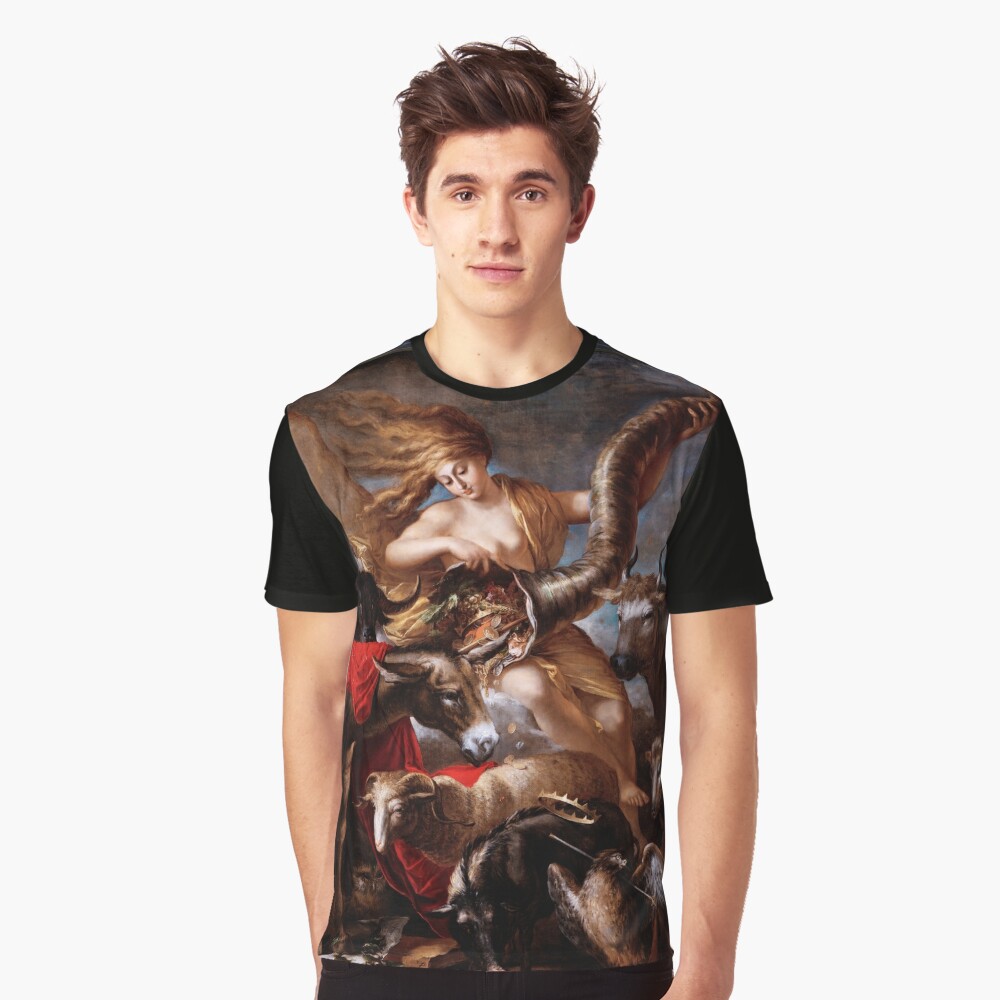
The composition is dominated by a central female figure representing Fortune – not depicted in the traditional guise of a graceful goddess, but rather as an active and almost frenzied force. She strides forward with purposeful energy, her body angled dynamically across the canvas. Her flowing hair whips around her face, suggesting movement and instability. She holds aloft a cornucopia overflowing with a chaotic assortment of objects: fruits, loreak, coins, and even skulls – symbols representing both abundance and mortality. Justaposizio honek berehala ezartzen du margolanaren gai nagusia: lurreko ondasunen izaera iheskorra eta usteltzearen ezinbestekotasuna.
The Animalistic Chaos & Symbolic Landscape
Fortuneren oinen azpian animalien jarduera mugagabearen eszena dago. Askotariko animalia talde bat —ardiak, ahuntzak, txerriak, eta ganadua— hainbat egoera nahasitan irudikatzen dira. Batzuk elkarrekin bilduta daude, itxuraz beldurtuta; beste batzuk borrokan edo ihesean dabiltzala dirudi. Menagerie kaotiko honek gizakiaren existentzia gobernatzen duten indar ezustekoen metafora indartsu gisa balio du. Paisaia bera malkartsua eta desolatua da, lur harritsuarekin eta landaredi urrikoarekin, ezegonkortasun eta zailtasun sentsazioa are gehiago indartuz. Hondoa iluntasun ilun batean desagertzen da, etorkizun ziurgabea iradokitzen du.
Rosa’s Artistic Style & Baroque Influences
Rosaren estiloa “Zoriaren alegoria” nabarmen barrokoa da, argiztapen dramatikoa du ezaugarri, konposizio dinamikoa, and intense emotional expression. The use of chiaroscuro – the contrast between light and dark – heightens the drama and draws attention to key elements within the scene. The strong diagonal lines created by Fortune’s posture and movement contribute to a sense of dynamism and instability. Rosa’s brushwork is loose and expressive, adding to the overall feeling of unrestrained energy. The painting reflects the Baroque period’s fascination with themes of mortality, iragankorra, and the power of fate.
Interpretazioa & Testuinguru historikoa
The “Allegory of Fortune” can be interpreted as a commentary on the precariousness of human life and the futility of seeking lasting happiness or security in material possessions. Fortune is not portrayed as an active agent bestowing blessings; baizik, she seems to embody the random and often destructive forces that shape our destinies.
The inclusion of skulls within the cornucopia serves as a stark reminder of mortality, while the chaotic animal scene symbolizes the unpredictable nature of life itself. Painted during a period of political and social upheaval in Italy, the painting may also reflect anxieties about instability and change. Rosa’s work often explored themes of rebellion and disorder, and “Allegory of Fortune” can be seen as an extension of these concerns.
Kolore Paleta & Xehetasun Teknikoak
The color palette is dominated by earthy tones—browns, okreak, and grays—which contribute to the painting’s somber mood. Alabaina, splashes of red – notably in the draped cloth held by Fortune – provide a striking contrast and draw attention to key elements within the composition. Rosa’s skillful use of color enhances the dramatic impact of the scene. The canvas measures approximately 124 x 97 cm (48.8 x 38.2 zentimetroak). The painting is executed in oil on canvas, demonstrating Rosa’s mastery of this medium.
Ondarea & Esangura
“Zoriaren alegoria” stands as a significant work within Salvator Rosa’s oeuvre and a compelling example of Baroque allegory. It showcases his unique artistic vision and his ability to convey complex philosophical ideas through powerful visual imagery. The painting continues to resonate with viewers today, reminding us of the enduring themes of fate, mortality, and the fleeting nature of earthly existence. Rosa’s departure from traditional allegorical conventions makes this work particularly noteworthy, establishing him as a distinctive voice within the Baroque artistic landscape.
Some Information About The Artwork
In this image of fortune (normally depicted with a blindfold), Salvator Rosa shows her bestowing the symbols of wealth status and power through a cornucopia (which is generally shown pointing upwards), on to animals that have no need for them and can not understand what is being given to them.
The animals in the painting trample the attributes of art and learning which are shown in the books and painters palette on the floor; while the ass that is draped in a cloak of cardinal red (the color of the catholic church), which shields an owl, that is considered to be the symbol of wisdom from the light.
Aita Santuaren patroiaren bazterketagatik mingotsa zegoen Rosa, bere monograma duen liburu batekin egitate horren erreferentziak biltzen ditu, eta bere izena aipatzen duen arrosa zapaltzen ari den txerria.
Margolan hau Alexandro VII.a Aita Santuaren babes artistiko nepotistaren satira bat zen eta ia kartzelara bidali zuen.. Bere estudioan emanaldi pribatu baten ostean, nabarmen baztertu zituen koadroa ez erakusteko emandako aholku guztiak, eta jendaurrean erakutsi zuen pieza 1659 Panteoian.
Piezak hainbesteko haserrea piztu zuen, Rosa aita santuaren anaiaren esku-hartzearen bidez bakarrik salbatu zela kartzelara botatzetik.
Hau domeinu publikoko irudi baten erreprodukzioa da arte digitaleko maisu zaharren erreprodukzioa, sarean erosteko moduan dagoena ijetzitako mihise inprimatua.