

봄의 우화
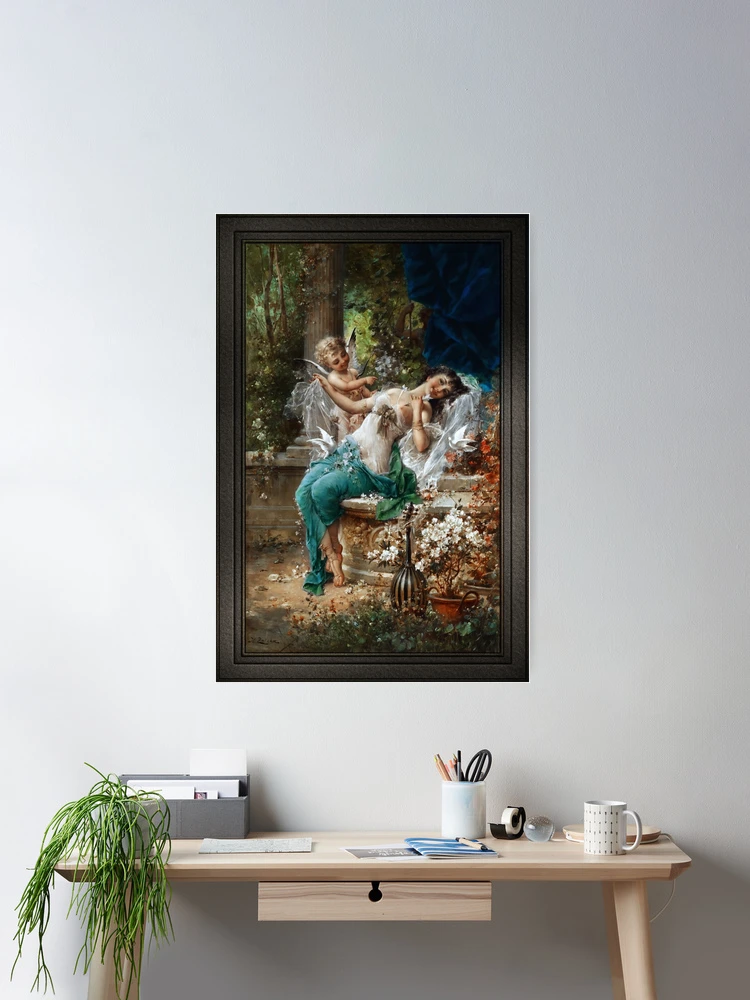
예술 작품에서 봄의 우화, 오스트리아 화가가 만든 프랑스 화가에 의해 (1859 – 1945), 시청자는 재생과 재생의 본질을 포착하는 매혹적인 이야기에 빠져들게 됩니다., 봄의 도래와 밀접하게 관련된 주제. 시대를 초월한 아름다움을 발산하는 작품, 고전적 우화적 이미지와 낭만적인 이미지를 혼합하는 Zatzka의 독특한 능력을 보여줍니다., 거의 천상의 분위기. 복잡한 디테일과 조화로운 구성을 통해 관객은 단순한 장면이 아닌 경험을 하게 됩니다., 하지만 깨어나는 자연의 미묘한 변화를 반영하는 정서적 여정.
목차
주요 주제 및 구성
의 중심에 봄의 우화, Zatzka는 기대어 있는 여성 인물을 배치합니다., 봄 그 자체의 본질을 구현하는 그녀의 형태. 그녀는 자연의 풍요로움과 젊어짐의 상징입니다, 그녀의 창백한 피부가 부드러운 빛 속에서 빛나고 있어요, 주변 식물에서 나오는 것처럼 보이는 얼룩덜룩한 빛. 섬세한 옷을 입고, 반투명 가운, 그 인물은 돌 벤치 위에 놓여 있다, 그녀의 자세는 여유롭고 우아하다. 그녀의 드레스, 생기 넘치는 청록색, 샘물의 맑은 물처럼 흐른다, 그녀를 둘러싼 풍부한 녹지와 아름다운 대조를 이루는.
여자 표정이 차분하네요, 거의 나른하다, 마치 대지와 변화하는 계절과 깊은 인연을 맺은 듯. 그녀의 머리카락, 어둡고 윤기나는, 부드러운 파도의 폭포, 비단결의 천 베일이 그녀의 머리를 감싸고 있는 동안, 취약성과 신성한 은혜에 대한 감각을 강화합니다.. 인물의 오른손은 자연스럽게 가슴에 얹혀 있습니다., 그리고 그녀의 왼손은 그녀의 입술에 섬세하게 닿아있다., 사색이나 주변 환경과의 연결을 암시하는 몸짓.
그녀 위와 주변, 몇몇 장난기 많은 천사나 날개 달린 아이들이 펄럭인다, 봄이 오면 흔히 연상되는 젊음과 기쁨의 정신을 구현합니다.. 여자 뒤에 그룹 한 명이 그려져 있습니다., 장난스러운 표정과 부드러운 터치로 장난스러운 친밀감을 느낄 수 있습니다.. 이 젊은 인물들은 봄이 마음의 여유를 주는 시기라는 생각을 더욱 증폭시킵니다., 활력, 그리고 장난스러운 창작.
배경과 지형
배경 봄의 우화 무성하다, 푸르른 정원, 만발한 꽃과 빽빽한 잎으로 가득하다. 설정이 거의 마법에 걸린 것처럼 보입니다., 부드러운 빛과 부드러운 그림자에 젖어, 장면의 미묘한 품질을 향상시킵니다.. Zatzka는 나무와 나뭇잎에 부드러운 초점을 사용합니다., 나머지 구성 요소와 조화롭게 혼합되도록 만듭니다.. 인물과 배경 사이의 모호한 구분은 인간 형태와 자연 사이의 상호 연결을 강조합니다..
여자가 쉬고 있는 돌 벤치는 덩굴과 꽃으로 장식되어 있습니다., 인물과 주변 식물의 조화로운 관계를 제시. 꽃의 묘사, 특히, 꽤 상세하다, 꽃이 피는 다양한 단계에 나타나며, 점진적인 봄의 전개를 상징. 꽃에 부드러운 파스텔을 사용하고 석재 벤치의 차분한 톤은 나뭇잎의 생생한 녹색 및 중앙 인물의 청록색 가운과 아름답게 대조됩니다..
먼 배경에서, 기둥이 살짝 보입니다., 고대를 암시한다, 거의 신화적인 설정. 고전적인 건축 요소, 기둥과 그 뒤에 드리워진 커튼과 같은, 시대를 초월한 느낌을 불러일으키다, 우화의 영역에서 장면을 더욱 기반화. 주변 나무를 통해 필터링되는 자연광을 사용하면 장면에 마법 같은 품질이 추가됩니다., 목가적인 느낌을 강화, 시간 속에 멈춰있는 고요한 순간.
상징주의와 우화
Zatzka의 봄의 우화 상징성이 풍부하다, 특히 중앙의 여성 인물과 주변 천사들을 묘사하는 데 있어서. 여자, 봄의 의인화로, 계절의 생기 넘치는 에너지를 표현합니다., 성장과 재생의 자연주기도 마찬가지다.. 그녀의 드레스, 흐르는 물을 닮은, 땅에 영양을 공급하는 봄비의 활력을 상징합니다..
그룹들, 르네상스와 바로크 시대의 작품에서 흔히 볼 수 있는, 순결을 상징하다, 사랑, 그리고 결백. 이러한 맥락에서, 또한 봄이 가져다주는 기쁨과 활력을 표현하는 역할도 합니다.. 장난기 가득한 어린아이의 모습은 순수함과 새로운 시작의 의미를 전달합니다., 계절에 내재된 재생이라는 주제를 강화합니다..
꽃과 식물은 재생이라는 주제를 더욱 강조합니다., 성장을 상징하는 꽃과 함께, 새로운 시작, 긴 겨울잠을 자고 자연계가 깨어나는 순간. 새의 포함, 날아가거나 근처에 자리잡은, 자연이 다시 깨어날 때 제공하는 자유와 기쁨을 암시합니다..
Zatzka의 빛 사용은 상징적인 무게도 지닙니다.. 부드러운, 중앙 인물을 비추는 따뜻한 빛은 신성한 빛이나 신의 손길을 불러일으킵니다., 자연의 순환적 리듬의 신성함을 강조. 인물과 주변 환경의 그림자와 빛의 유희는 꿈같은 느낌을 만들어냅니다., 봄이 상징하는 영적 쇄신을 묵상하도록 시청자를 초대합니다..
분위기와 분위기
그림의 분위기는 평온함이다, 연성, 그리고 시대를 초월한 아름다움. Zatzka는 차분한 느낌을 훌륭하게 불러일으킵니다., 중심 인물의 고요한 표정과 천사들의 섬세한 장난기가 현장에 부드러운 기쁨을 불어넣습니다.. 무성한, 푸르른 정원, 활짝 핀 꽃과 밝은 초록빛으로, 봄의 희망과 활력을 물씬 풍깁니다.. 조용한 곳이 있어요, 장면에 거의 명상적인 품질, 포착된 순간이 깊은 반성의 순간임을 시사, 갱신, 그리고 지구와의 연결.
그림의 전체적인 분위기 역시 낭만과 향수를 불러일으키는 분위기입니다.. 소프트 컬러 팔레트, 이상화와 함께, 고전 인물, 순수한 세상에 대한 동경을 불러일으킨다, 순결한, 그리고 자연과 조화를 이루는. 아름다움이 넘치는 세상이다, 평화, 그리고 갱신은 지속적입니다, 영혼이 쉬고 활력을 되찾을 수 있는 곳, 봄이 오면 지구 그 자체처럼.
결론
한스 자츠카 봄의 우화 19세기 말과 20세기 초 낭만주의의 놀라운 예입니다., 고전적인 우화적 주제와 자연계의 아름다움에 대한 깊은 감상을 혼합. 그림의 풍부한 상징성, 복잡한 세부 사항, 천상의 분위기가 시청자를 부드러운 재생과 재생의 세계로 초대합니다., 봄의 마법에 대한 시대를 초월한 찬사로 만들어 드립니다.. 그의 전문적인 빛의 사용을 통해, 색깔, 그리고 구성, Zatzka는 시즌의 본질을 포착합니다., 자연의 영원한 순환을 기념하는 작품으로 관객의 마음을 지속적으로 사로잡는 작품 제작.
이것은 리터칭된 디지털 아트로 사용할 수 있는 공개 도메인 이미지의 오래된 마스터 복제입니다. Boucher는 Guay의 작품으로 일련의 그림을 그리고 Madame de Pompadour가 조각하여 호의를 받는 궁정에게 잘 묶인 책으로 배포했습니다..
유래 된 아티스트 바이오 Wikipedia.org
Hans Zatzka는 때때로 P로 알려져 있습니다.. 론사드, 피에르 드 론사르, 또는 H. 배터리, Joseph Bernard로 그의 많은 작품에 서명했습니다., 제이. 남자 이름, 또는 베르나르 자츠카.
Zatzka의 방대한 가명 배열의 목적은 그가 판매할 수 있는 예술품의 양을 제한하는 계약 위반에 대한 처벌을 피하는 것이었습니다..
이로 인해 일부 예술 데이터베이스에서 Joseph Bernard라는 가명으로 Zatzka의 작품을 같은 이름을 가진 프랑스 조각가와 혼동하게 되었습니다..
한스 자츠카 출생 8 3 월 1859 비엔나에서. 그의 아버지 Bartholomaüs는 건설 노동자였습니다., 그의 어머니는 Marie Karpischek Zatzka였습니다..
사이 1877 과 1882, 그는 Academie des Beaux-Arts에서 공부했습니다., 크리스티안 그리펜케를 밑에서, 칼 워징거, 그리고 칼 폰 블라스.
Zatzka는 교회 및 기타 기관의 프레스코화 제작을 통해 생계를 꾸릴 수 있었습니다..
에 1885, Zatzka는 Kurhaus Baden의 The Naiad of Baden 천장 프레스코를 만들기 위해 의뢰되었습니다..
Zatzka의 많은 작품은 오스트리아의 여러 교회에 바쳐진 종교화 및 제단 조각이었습니다..
하지만, 그는 여성의 그림으로 더 유명합니다., 요정들, 그리고 다른 환상적인 장면들.
자주, 그는 Richard Wagner의 작품과 Grimm 형제의 동화에서 영감을 얻었습니다..
19세기 말과 20세기 초에, Zatzka의 여러 작품이 사진으로 찍혀 상업적이고 수집 가능한 엽서로 만들어졌습니다..
1920년대, Zatzka의 스타일은 유럽 전역에서 선택의 장식이 되었습니다.. 게다가, 지난 30년 동안 Zatzka는 부활했습니다..