

Allegorie vum Fréijoer
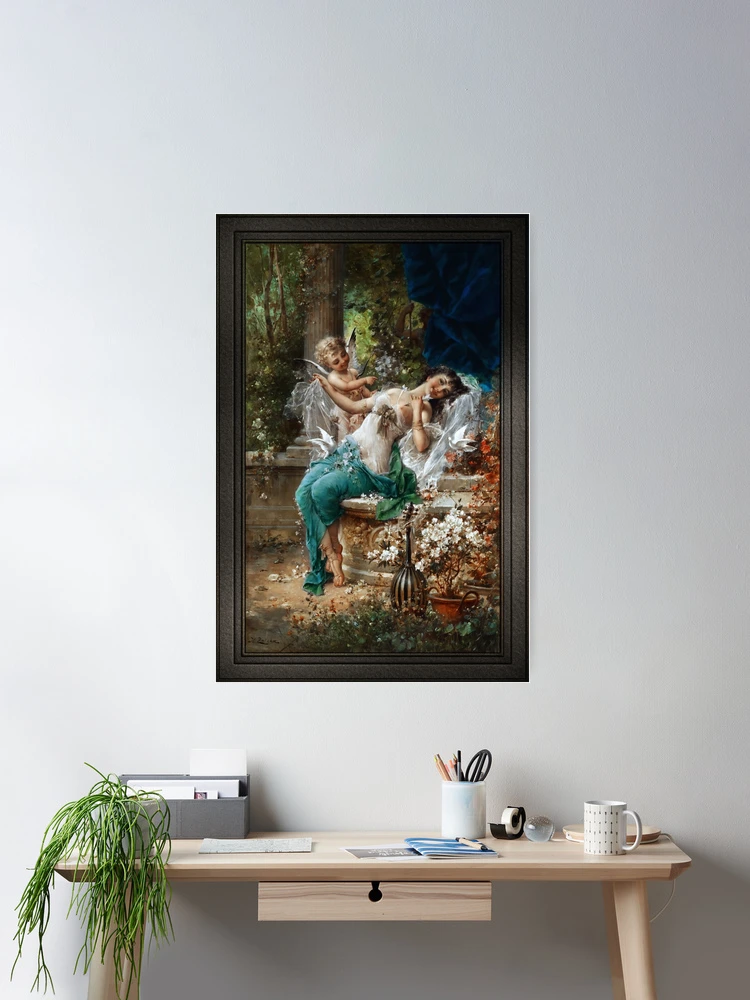
Am Konschtwierk Allegorie vum Fréijoer, vum éisträichesche Moler geschaf iwwerdeems enoying Top Präis bezuelt fir seng Konschtwierker (1859 – 1945), den Zuschauer ass an eng verzauberend narrativ ënnerdaach, déi d'Essenz vun der Wiedergebuert an der Erneierung erfaasst, Themen intim verbonne mat der Arrivée vum Fréijoer. D'Stéck strahlt eng zäitlos Schéinheet aus, weist dem Zatzka seng eenzegaarteg Fäegkeet fir klassesch allegoresch Biller mat engem Romantiker ze vermëschen, bal äthereschen Atmosphär. Seng Notzung vun komplizéierten Detail an harmonescher Kompositioun invitéiert den Zuschauer net nëmmen eng Szen ze erliewen, awer eng emotional Rees déi déi subtil Iwwergäng vun der Natur spigelt wéi se erwächt.
Inhaltsverzeechnes
Haaptwiel a Zesummesetzung
An der Mëtt vum Allegorie vum Fréijoer, Zatzka Plazen eng leien weiblech Figur, hir Form verkierpert déi ganz Essenz vum Fréijoer selwer. Si ass e Symbol vun der Fruchtbarkeet an der Verjéngung vun der Natur, mat hirer blasser Haut glänzend an der mëller, gefleckt Liicht dat schéngt aus der Flora ronderëm ze kommen. Verkleed an engem delikat, duerchsichteg Kleed, d'Figur läit op enger Steenbänk, hir Haltung eng vun entspaanter Eleganz. Hirem Kleed, eng lieweg türkis, fléisst wéi d'frësch Waasser vun engem Fréijoersbaach, schéin kontrastéierend mam räiche Gréngs, dat si ëmkreest.
D'Gesiichtsausdrock vun der Fra ass roueg, bal labber, wéi an engem déiwe Verbindung mat der Äerd an der Saison änneren. Hir Hoer, donkel a glänzend, Kaskaden a mëlle Wellen, während e Schleier vu Gossamer Stoff hire Kapp ëmkreest, d'Gefill vun Zerbriechlechkeet a gëttlecher Gnod verstäerken. Déi riets Hand vun der Figur läit zoufälleg op hirer Këscht, an hir lénks Hand beréiert delikat hir Lippen, e Geste deen Iwwerleeung oder eng Verbindung mat der Ëmgéigend suggeréiert.
Uewen a ronderëm hatt, e puer spilleresch Cherubs oder geflüchtte Kanner fladderen, de Geescht vu Jugend a Freed verkierpert, déi allgemeng mat der Arrivée vum Fréijoer assoziéiert ass. Ee Cherub ass hannert der Fra gezeechent, säi béisen Ausdrock a sanften Touch, deen e Gefill vu spilleresch Intimitéit ugeet. Dës jonk Figuren verstäerken d'Iddi vum Fréijoer als Zäit vu Liichtegkeet weider, Vitalitéit hunn, a spilleresch Kreatioun.
Den Hannergrond an Terrain
Den Kuliss vun Allegorie vum Fréijoer ass eng lëschteg, gréng Gaart, voll mat bloe Blummen a dichte Blieder. D'Astellung schéngt bal verzaubert, a mëll Liicht a mëllen Schatten gebad, déi d'ätheresch Qualitéit vun der Szen verbesseren. Zatzka beschäftegt e mëllen Fokus op d'Beem an de Blieder, sou datt se harmonesch mat dem Rescht vun der Zesummesetzung vermëschen. Dëst Gefill vu verschwonnenen Ënnerscheed tëscht Figur an Hannergrond ënnersträicht d'Verbindung tëscht der mënschlecher Form an der Natur.
D'Steebänk, op där d'Fra riicht, ass mat kräischend Rebe a Blummen dekoréiert, suggeréiert déi harmonesch Relatioun tëscht de Figuren an dem ronderëm Planzenliewen. D'Bildung vu Blummen, besonnesch, ass ganz detailléiert, mat Blummen erschéngen a verschiddene Stadien vun der Bléi, symboliséiert déi graduell Entfalung vum Fréijoer. D'Benotzung vu mëllen Pastellfarben an de Blummen an déi méi gedämpft Téin vun der Steenbänk kontrastéiert schéin mat de liewege Grénge vum Blieder an dem türkisbloe Kleed vun der zentraler Figur.
Am wäiten Hannergrond, kann een Abléck vun de Sailen kréien, suggeréiert en antike, bal mythologesche Kader. Déi klassesch architektonesch Elementer, wéi d'Pillaren an d'Drapéiert Gardinen hannendrun, ruffen e Gefill vun Zäitlosegkeet op, weider Grondlag der Zeen am Räich vun allegorie. D'Benotzung vun natierleche Liichtfilter duerch d'Ëmgéigend Beem füügt eng magesch Qualitéit un d'Szene, d'Gefill vun engem idyllesche verbesseren, rouege Moment an der Zäit suspendéiert.
Symbolismus an Allegorie
vun Zatzka Allegorie vum Fréijoer ass räich u Symbolismus, besonnesch a senger Duerstellung vun der zentraler weiblecher Figur an de Cherubs ronderëm. D'Fra, als Personifikatioun vum Fréijoer, duerstellt d'Liewen-ginn Energie vun der Saison, wéi och déi natierlech Zyklen vu Wuesstem a Regeneratioun. Hirem Kleed, wat gläicht fléissend Waasser, ass symbolesch vun de verjüngende Kräfte vum Fréijoersreen, déi d'Äerd ernären.
De Cherubs, allgemeng an Wierker vun der Renaissance a Barock Perioden gesinn, symboliséiert Rengheet, Léift, an Onschold. An dësem Kontext, si déngen och als Representatioune vun der Freed a Vitalitéit, déi d'Fréijoer bréngt. D'Bild vun de spilleresche kannerleche Figuren vermëttelt d'Iddi vun Onschold an neien Ufanks, d'Thema vun der Neigebuert, déi an der Saison inherent ass, verstäerken.
D'Blummen an d'Planzeliewen ënnersträichen d'Thema vun der Regeneratioun weider, mat de Blummen symboliséiert Wuesstum, neien Ufank, an d'Erwächen vun der natierlecher Welt no der laanger Dormanz vum Wanter. D'Inklusioun vu Villercher, fléien oder an der Géigend, alludéiert op d'Fräiheet a Freed, déi d'Natur ubitt, wéi se erëm erwächt.
Dem Zatzka seng Benotzung vu Liicht huet och symbolescht Gewiicht. Der mëller, waarme Glanz, deen d'Zentralfigur beliicht, erënnert e Gefill vu göttlechem Liicht oder den Touch vun de Gëtter, d'Hellegkeet vun de zyklesche Rhythmen vun der Natur ënnersträichen. D'Spill vu Schied a Liicht op der Figur an hir Ëmgéigend schaaft eng dreemlech Qualitéit, den Zuschauer invitéieren fir déi spirituell Erneierung ze iwwerdenken déi d'Fréijoer duerstellt.
Stëmmung an Atmosphär
D'Stëmmung vum Bild ass eng vu Rou, Weichheet, an notabel Schéinheet. Zatzka erënnert Meeschterleeschtung e Gefill vu Rou, de seriöen Ausdrock vun der zentraler Figur an déi delikat Spilllechkeet vun de Cherubs, déi d'Szene mat engem Gefill vu sanfte Freed infuséieren. Déi üppig, gréng Gaart, mat senge bléien Blummen an hell Gréngs, strahlt d'Hoffnung an d'Vitalitéit vum Fréijoer aus. Et gëtt eng roueg, bal meditativ Qualitéit op d'Szen, suggeréiert datt de gefaange Moment ee vun déiwe Reflexioun ass, Erneierung, a Verbindung mat der Äerd.
Déi allgemeng Atmosphär vum Bild ass och eng vu Romantik an Nostalgie. Déi mëll Faarfpalette, zesumme mat der idealiséiert, klassesch Figuren, schaaft e Gefill vu Verlaangen no enger Welt déi reng ass, onschëlleg, an am Aklang mat der Natur. Et ass eng Welt an där Schéinheet, Fridden, an Erneierung si konstant, eng Plaz wou d'Séil ka raschten a verjüngeren, sou wéi d'Äerd selwer während der Arrivée vum Fréijoer.
Conclusioun
Hans Zatzka Allegorie vum Fréijoer ass e beandrockend Beispill vu spéiden 19. a fréien 20. Joerhonnert Romantik, klassesch allegoresch Themen mat enger déiwer Valorisatioun fir d'Schéinheet vun der natierlecher Welt vermëschen. Déi räich Symbolik vum Bild, komplizéierten Detail, an ethereal Atmosphär invitéieren Zuschauer an eng Welt vun sanft Wiedergebuert an Erneierung, mécht et en zäitlosen Hommage un d'Magie vum Fréijoer. Duerch säi Expert Notzung vum Liicht, Faarf, a Zesummesetzung, Zatzka erfaasst d'Essenz vun der Saison, e Konschtwierk ze kreéieren dat weider mam Publikum resonéiert als Feier vun den éiwege Zyklen vun der Natur.
Dëst ass eng retouched digital Konscht al Master Reproduktioun vun engem Public Domain Bild dat als verfügbar ass Leinwandprint online.
Kënschtler Bio ofgeleet vun Wikipedia.org
Den Hans Zatzka gouf heiansdo als P. Ronsard, Pierre de Ronsard, oder H.. Batterien, an ënnerschriwwen vill vu senge Wierker als Joseph Bernard, J.. Bernardy, oder Bernard Zatzka.
Den Zweck vum Zatzka senger grousser Palette vu Pseudonyme war Strofe vu Verträg ze vermeiden, déi d'Quantitéit u Konschtwierker limitéieren, déi hie konnt verkafen.
Dëst huet dozou gefouert datt e puer Konschtdatenbanken dem Zatzka seng Aarbecht ënner dem Pseudonym Joseph Bernard mam franséische Sculpteur mam selwechten Numm verbannen..
Den Hans Zatzka gouf gebuer 8 Mäerz 1859 zu Wien. Säi Papp Bartholomaüs war Bauaarbechter, a seng Mamm war d'Marie Karpischek Zatzka.
Tëscht 1877 an 1882, hien huet op der Académie des Beaux-Arts studéiert, ënner dem Christian Griepenkerl, Carl Wurzinger, et Karl von Blaas.
D'Zatzka konnt sech duerch d'Produktioun vu Fresken fir Kierchen an aner Institutiounen verdéngen.
An 1885, Den Zatzka krut den Optrag fir de Plafongsfresko The Naiad of Baden am Kurhaus Baden ze kreéieren.
Vill vun dem Zatzka seng Wierker ware reliéis Biller an Altorstécker gewidmet fir verschidde Kierchen an Éisträich.
Allerdéngs, hien ass méi bekannt fir seng Biller vu Fraen, Feeën, an aner fantastesch Szenen.
Oft, hie géif sech aus de Wierker vum Richard Wagner an de Mäerche vun de Bridder Grimm inspiréieren.
Am spéiden 19. an Ufank 20. Joerhonnert, verschidde Stécker vum Zatzka goufen fotograféiert an zu kommerziellen a sammelen Postkaarte gemaach.
Während den 1920er Joren, Dem Zatzka säi Stil gouf den Dekor vun der Wiel uechter Europa. Zousätzlech, déi virdrun drësseg Joer haten eng Erhuelung fir Zatzka.