

Winter II בשמלה לבנה
“Winter II בשמלה לבנה” הוא יצירה ידועה שנוצרה על ידי אלפונס מריה מוצ'ה בשנה 1899. Mucha (1860 – 1939) היה אמן צ'כי מהולל הידוע בסגנונו הייחודי שהדגים את תנועת הארט נובו, שגשג במהלך סוף המאה ה-19 ותחילת המאה ה-20. יצירת אמנות זו היא דוגמה מצוינת ליכולתו למזג עיצוב מורכב עם ייצוג סמלי, לוכד את המהות של העונות המתחלפות תוך הדגשת האלגנטיות של הנושאים הנשיים שלו. היצירה ממחישה את האנשה של החורף, אחד מסדרה של ארבע ייצוגים עונתיים, שבו האמן מדגיש את היופי ואת האלגנטיות המחמירה של העונה הקרה.
תוכן העניינים
נושא והרכב
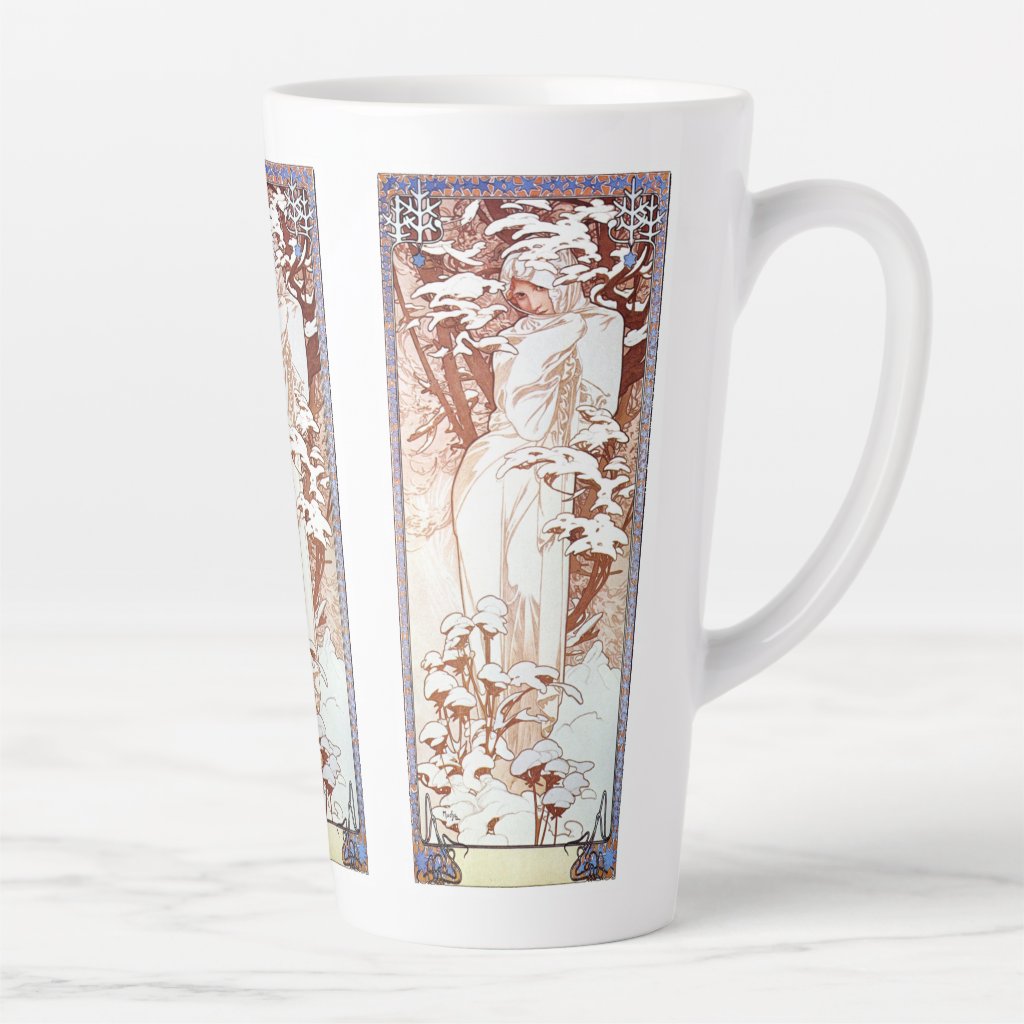
בְּבוֹעַסִים “חוֹרֶף II בשמלה לבנה” שוכבת אישה שלווה, דמות המגלמת את מהות החורף. האישה עטופה בשמלה לבנה זורמת, בגד המשקף את הטוהר והקור של השלג של החורף. היא עומדת בין מסגרת של צורות אורגניות מורכבות, ההבעה השלווה שלה מקרינה רוגע שקטה שאופיינית להצגת הנשים בטבע של מוצ'ה. המבט שלה רך, מכוון מעט כלפי מעלה, מרמז על התבוננות או על האיכות המדיטטיבית הקשורה לעתים קרובות לחודשי החורף.
תכונות הדמות עדינות ואידיאליות, אך חזקים בפשטותם. גופה מסובב מעט, מדגישה את הקימורים החינניים של דמותה כשהיא עומדת זקופה בין פתיתי השלג הנופלים בעדינות ורכה, קווים מעוקלים של עצים וצמחים קפואים. העצים ברקע נראים חשופים, ענפיהם כבדים בשלג, תורם לשקט העונה. המוטיבים האורגניים האלה - ענפים, פתיתי שלג, ופרחים - זורמים לאורך הקומפוזיציה, יצירת איזון הרמוני בין הדמות לעולם הטבע.
השמלה הלבנה של האישה היא מוקד מרכזי של היצירה, הבד זורם בחופשיות, קפליו מתפתלים ברוח. השמלה לא רק מוסיפה לאיכות האתרית שלה אלא גם מסמלת את הטוהר והרעננות של החורף. האופי העדין של הבגד מנוגד לחריפות הסביבה, מדגישה את הקשר שלה עם העונה, אחד של רוגע אבל גם של כוח. פתיתי שלג מרחפים בעדינות סביבה, עוד יותר מדגיש את הקשר שלה עם היופי והכוח השקט של החורף.
חפצים ושטח
הרקע של היצירה הוא תערובת של חום חיוור וגווני שנהב רכים, עם אלמנטים המרמזים על הנופים העקרים של החורף. העצים העקרים עומדים כצלליות, איבריהם מושיטים יד כמו ביראת כבוד אילמת לדמות שהם מקיפים. The snow rests gently upon the branches, יצירת אפקט חלומי שבו נראה שהדמות וסביבתה מתמזגות לכדי שלם אחד מאוחד.
האדמה המקיפה את הדמות מכוסה בשלג, האבקה הלבנה מרככת את קווי השטח. סביב בסיס הדמות פזורים צמחים ופרחים, many of which are also covered in snow, צורותיהם מעט סתומות אך עדיין נראות מתחת לקרח. העולם הטבעי ביצירתו של מוצ'ה תמיד נראה סמלי, כאשר כל אלמנט נבחר בקפידה כדי להשלים את הנושא הכולל. כאן, נוכחותם של פרחים מכוסי שלג מרמזת על יופי עדין המשגשג אפילו בתנאים הקשים ביותר, שיקוף את דמותה של האישה עצמה - חינני, חָזָק, ועמיד בפני מצוקה.
סגנון ונושאים
“Winter II בשמלה לבנה” הוא דוגמה מובהקת לסגנון הארט נובו של מוקה. הקווים הזורמים, פירוט מורכב, והשימוש ברך, גווני צבע מושתקים הם כולם סימני ההיכר של התנועה, שביקש להתנתק מהנוקשה, צורות תעשייתיות של המאה ה-19. הדמויות בעבודותיו של מוצ'ה מתוארות לעתים קרובות בצורה כמעט אורגנית, תלוי בין העולם הטבעי והעל טבעי, והיצירה הזו אינה יוצאת דופן.
הנושא המרכזי של העבודה הוא ייצוג החורף, לא רק כעונה אלא ככוח טבע אישי. מוקה מטביעה את הדמות בתכונות שמעלות אותה מעבר לייצוג בלבד - היא הופכת לסמל של האלגנטיות של החורף, החוזק השקט שלו, וסיבולתו. גישה סמלית זו לעונות השנה משקפת את המגמה הרחבה יותר בארט נובו להעריץ ולרומם את הטבע והיופי הטבעי, כמו גם הקשר האורגני בין בני האדם והעולם הסובב אותם.
תשומת הלב הקפדנית של מוצ'ה לפרטים ניכרת בכל היבט של הציור, מעבודת הקו העדין בגבול ועד לעיבוד העדין של פתיתי השלג. גם הטיפול שלו בנושא הוא רומנטי עמוק, capturing the intersection of beauty, טֶבַע, ונשיות. The color palette—mostly soft, גווני אדמה מושתקים עם כתמי כחול ולבן - מוסיפים לתחושת השקט וההשתקפות, מזמינה את הצופה להרהר ביופייה של העונה ובקשר השלו של האישה אליה.
מצב הרוח של היצירה הוא של שקט והתבוננות פנימה. הדמות, though portrayed in a flowing gown, does not appear to be caught in a moment of motion. במקום זאת, she seems to be standing still, lost in thought as snow gently falls around her. This serene quietness is the essence of winter itself, where time seems to slow down, and the world is blanketed in calm.
חומרים וטכניקות
Mucha’s use of lithography was key in producing the vibrancy and detail in this work. His technical mastery allowed him to create fine lines and delicate patterns that are a trademark of his style. The artwork’s detailed border, featuring stylized snowflakes and geometric designs, frames the central image, drawing the viewer’s eye toward the figure while providing an intricate context that enhances the overall composition. פלטת הצבעים המושתקת, dominated by soft browns, שֶׁנהָב, and touches of blue, משקף את הנוף החורפי ומוסיף לשקט של היצירה, serene mood.
The snowflakes are meticulously rendered, each one unique and carefully placed, מדגיש את מסירותו של מוקה לפרטים טבעיים ולסמליות. The overall balance between the figure, the natural environment, והגבולות מרמזים על אחדות הרמונית בין האנושות לטבע - נושא שחוזר על עצמו ביצירתו של מוקה.
מַסְקָנָה
“Winter II בשמלה לבנה” מאת אלפונס מריה מוקה היא התגלמות מדהימה של תנועת הארט נובו, שילוב החן של הצורה הנשית עם יופיו של הטבע. Through his use of intricate details, קווים זורמים, and a soft color palette, מוצ'ה לוכדת את מלכותו השקטה של החורף תוך העלאתו לממלכה של אלגנטיות סמלית. יצירה זו משמשת לא רק כייצוג ויזואלי של העונה אלא גם כמדיטציה על יופיו של עולם הטבע, כּוֹחַ, וסיבולת עדינה.
ביו אמן
מידע למטה מ Wikipedia.org
אלפונס מריה מוצ'ה יולי 24, 1860 – יולי 14, 1939), היה ידוע בעולם כאלפונס מוטה. הוא היה צייר צ'כי בולט, מאייר וגרפיקאי, חי בפריז בתקופת הארט נובו, והוא ידוע בעיקר בזכות כרזות התיאטרון המעוצבות והדקורטיביות שלו, במיוחד אלה של שרה ברנהרדט.
הוא ייצר איורים, פרסומות, לוחות דקורטיביים, ועיצובים, שהפכה בין התמונות המוכרות ביותר של התקופה.
בחלק השני של הקריירה, בגיל 43, הוא חזר למולדתו באזור בוהמיה-מורביה שבאוסטריה והתמסר לציור סדרה של עשרים בדים מונומנטליים המכונים אפי הסלאבים, המתאר את ההיסטוריה של כל העמים הסלאבים בעולם, שצייר ביניהם 1912 ו 1926.
ב 1928, במלאת 10 שנים לעצמאות צ'כוסלובקיה, הוא הציג את הסדרה לאומה הצ'כית. הוא ראה בכך את עבודתו החשובה ביותר. הוא מוצג כעת בפראג.
יצירת אמנות דיגיטלית זו, כמו כל יצירות האמנות שניתן למצוא באתר Xzendor7 זמין לרכישה אונליין במגוון פורמטים חומריים כולל הדפסי קנבס, הדפסי אקריליק, הדפסי מתכת, הדפסי עץ, הדפסים ממוסגרים, עמוד הבית של Xzendor7, וכהדפסי קנבס מגולגלים במגוון גדלים מ 12 אינצ'ים ל 72 אינצ'ים בהתאם לגודל הגרפיקה בפועל ולחנות ההדפסה לפי דרישה ממנה תבחר לקנות את האמנות.
יצירות האמנות זמינות גם במגוון רחב של בגדי גברים ונשים, ספלים, טוטס, צעיפים, מחברות ויומנים ומוצרי עיצוב לבית רבים.