

Anne-Marie de Mailly-Nesleren erretratua
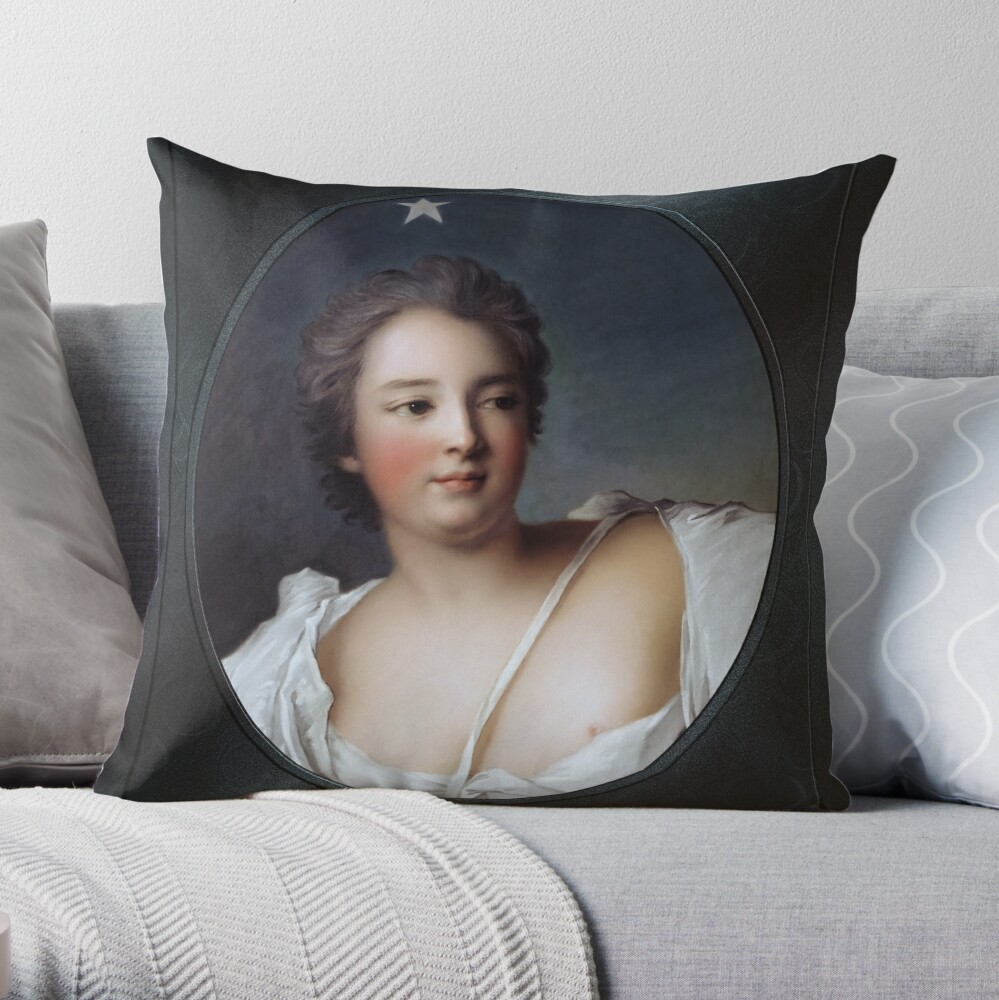
“Anne-Marie de Mailly-Nesleren erretratua (1717 – 1744), La Tournelle markesa, geroago Châteaurouxeko dukesa, Point du journ” mendeko erretratu frantsesaren irudikapen harrigarria da, Frantziako Arte Eskolako artista ezezagun batek sortua. Margolanak Luis XV.aren garaiko aristokraziaren funtsa biltzen du, Anne-Marie de Mailly-Nesle bere gazteen edertasuna eta grazia lasaia erakutsiz. urtean jaioa 1717, Anne-Marie La Tournelle markesa zen eta geroago Châteauroux-eko dukesa izan zen, Luis XV.aren andrea. Erretratu hau, mendekoa da, harrapatzen du goizeko argitan, emakumetasunaren eta garbitasunaren ideal erromantikoari lotutako gaia, normalean bezala ezagutzen da “Point du jour.”
Edukien taula
Subject and Expression
The subject of the portrait is Anne-Marie de Mailly-Nesle, bigunean irudikatuta, intimate pose that suggests both regal dignity and personal allure. She is presented in a loose, soineko zuri lehorra, which contrasts with the more rigid, structured attire often associated with nobility of the period. Bata, delicate and understated, emphasizes her youthful beauty, while her tousled hair, loosely arranged around her head, further enhances this natural elegance. Her expression is calm yet somewhat introspective, conveying a serene confidence typical of royal portraiture but with an added layer of vulnerability that humanizes the figure.
The artist has chosen to highlight the subject’s face with exceptional care, focusing on her soft features: the slightly tilted head, her large eyes that seem to gaze gently out of the frame, eta bere azalaren leuntasuna, rendered in warm, delicate tones. This focus on the face captures both her beauty and the nobility she embodied in life, offering a glimpse of the softer side of court life, which often emphasized restraint and composure.
Setting and Composition
The background of the portrait is sparse and unobtrusive, ikuslearen arreta gaian erabat bideratzea. A faint star in the upper portion of the painting symbolizes the “Point du jour” edo “moment of dawn,” a symbolic reference to Anne-Marie’s beauty, gazteria, and position as an important figure in the French court. The simplicity of the background allows the viewer to focus on the intricacies of Anne-Marie’s attire and expression, as well as the subdued yet refined detailing of her features.
The composition follows the classical conventions of portraiture from the era, with Anne-Marie positioned slightly off-center, creating a sense of balanced asymmetry. This positioning invites the viewer’s eye to flow gently around the figure, ensuring that the focus remains on her while offering subtle visual interest through the soft folds of her gown, which are carefully arranged to imply both movement and structure. The artist has paid particular attention to the light in the composition, with a soft, glowing illumination that enhances the softness of the flesh tones and accentuates the delicate nature of Anne-Marie’s appearance.
Materialak eta Teknika
The artist has employed traditional oil paints to capture the nuances of texture and light. The brushwork is delicate and refined, with careful blending of tones to create a smooth, almost porcelain-like effect on the skin. The drapery of Anne-Marie’s gown is rendered in intricate detail, with each fold meticulously painted to suggest the weight and movement of the fabric. The artist has also used shading expertly, particularly around the subject’s face, to create a sense of depth and volume, as well as to highlight the subtle play of light and shadow.
The use of muted colors, such as soft pinks, zuriak, and pale blues, are gehiago hobetzen du erretratuaren giro lasai eta leuna. Hondoa argi-gradiente bat da, Anne-Marieren figura distraitu gabe nabarmentzeko aukera ematen duten tonu leunak. Kolore hauen erabilera sotilak dotorezia lasaiaren eta edertasun azpimarragarriaren aldarteari laguntzen dio.
Aldartea eta Gaia
Margolanaren aldartea introspekzio lasaia eta edertasun findua da, garaiko frantses aristokratiko erretratuetan tipikoa. Duintasun eta lasaitasun aristokratikoaren zentzua islatzen du, baina gaia urrun baino hurbilago agertzen duen leuntasun eta fintasun batekin egiten du.. Sereno bat dago, erretratuari kalitate ia etereoa, eta hori areagotu egiten da argiztapen leuna erabiltzeak eta atzealde okupaturik ez egoteak. Egunsentiaren gaia edo “Point du jour” funtsezkoa da lanerako, Anne-Marieren edertasuna ez ezik, emakumetasunaren ideala ere irudikatuz, argi eta berritze iturri gisa.
Gaia garaiko rococo estiloarekin bat dator, sarritan edertasuna ospatzen zuena, arintasuna, eta fintasuna. Erretratuaren giroa, gaiaren garbitasunari eta argi-joko leunari garrantzia emanez, Errealitatearen gogortasunik gabe rokokoaren grazia eta edertasunari buruz hitz egiten du. Anne-Marie pertsonaia historiko gisa ez ezik, garaiko idealen sinbolo gisa azaltzen da: gazte edertasuna, aristokrazia erosoa, eta Frantziako gorteko bizitzaren izaera iheskorra.
Bukaera
“Anne-Marie de Mailly-Nesleren erretratua” mendeko Frantziako erretratuaren adibide deigarria da, Anne-Marie de Mailly-Nesleren betiko edertasuna eta dotorezia harrapatzea Frantziako aristokraziaren testuinguruan. The artist’s skillful rendering of the subject’s delicate features, the soft illumination of her face, and the subtle symbolism of the dawn all work together to create a portrait that transcends the mere representation of an individual. It is a piece that speaks to the larger themes of beauty, intzamen, and aristocratic grace, immortalizing Anne-Marie in a moment of quiet reflection.
Artelanari buruz
Anne-Marie de Mailly-Nesleren erretratua (1717 – 1744), La Tournelle markesa, geroago Châteaurouxeko dukesa, en Point du jour 18th Century by School of French Art.
This is a trimmed down portrait that seems to be based on the full body portrait created by Jean-Marc Nattier (1685 – 1766) urtean 1740 of Anne-Marie de Mailly-Nesle, Marquise de La Tournelle, later Duchess of Châteauroux, at Point du Jour; who was the youngest of the five famous de Nesle sisters, four of whom would become mistresses of King Louis XV (1715 – 1774) of France; and she was his mistress from 1742 to 1744.
She was the daughter of Louis de Mailly, Marquis de Nesle et de Mailly, Prince d’Orange (1689 – 1767), and Armande Félice de La Porte Mazarin (1691 – 1729); and her mother was the daughter of Paul Jules de La Porte, duc Mazarin et de La Meilleraye (1666 – 1731), the son of the famous adventuress, Hortense Mancini, the niece of Cardinal Mazarin.
Her sisters were Louise Julie de Mailly, Mademoiselle de Mailly, comtesse de Mailly (1710 – 1751), Pauline Félicité de Mailly, Mademoiselle de Nesle, marquise de Vintimille (1712 – 1741), Diane Adélaïde de Mailly, Mademoiselle de Montcavrel, duchesse de Lauraguais (1714 – 1769), Hortense Félicité de Mailly, Mademoiselle de Chalon, marquise de Flavacourt (1715 – 1799); Hortense was not one of the Kings Mistress.
Domeinu publikoko irudi baten erreprodukzioa da mihise inprimatu sarean.
Behean Deribatua Wikipedia.org
Frantziako Arte Eskolak edo normalean École des Beaux-Arts izenekoak Frantzian eragin handiko arte-eskolen bilduma biltzen du., eta XIX. mendearen amaieran eta XX. mendearen lehen laurdenean Frantzian eta beste herrialde batzuetan aurrera egin zuen arkitekturan eta hirigintzan Beaux-Arts estiloarekin lotutako terminoa da..
Eskola horien artean ospetsuena eta zaharrena Parisko École nationale supérieure des Beaux-Arts izan zen; noren historian zehar 350 urteak, eta Europako artista handienetako asko trebatu ziren lekua da.
Parisko eskolaren jatorria da 1648, Mazarin kardinalak Académie des Beaux-Arts sortu zuenean (1602 – 1661); ikaslerik trebeenak marrazketan hezi ahal izateko toki bat ezartzea, pintura, grabatua, eskultura, arkitektura eta beste euskarri batzuk.
In 1863 Napoleon III (1808 – 1873) eskolari Frantziako gobernuarekiko independentzia eman eta L’École des Beaux-Arts izenaz aldatu zuen; eta gero hasita 1897, emakumeek ere erakundera joateko baimena zuten.