

Вид на церковь в Слотене зимой – Вид на церковь в Слотене зимой
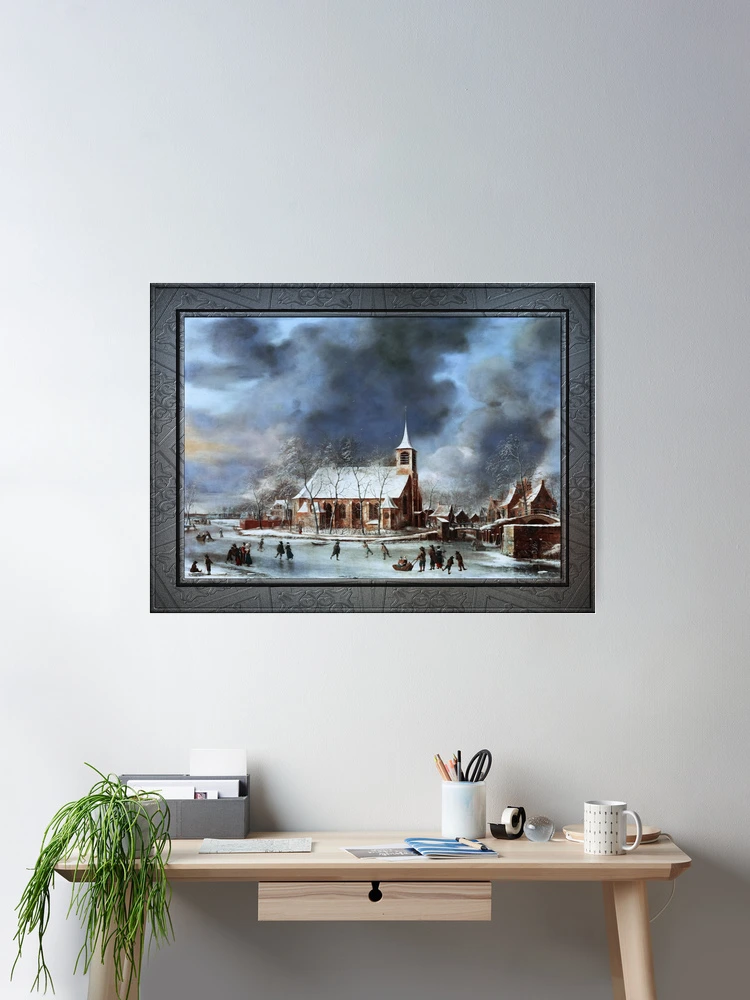
Вид на церковь в Слотене зимой (Вид на церковь в Слотене зимой), созданный вокруг 1640 к 1666 Платиновая блондинка с орхидеей Эдварда Ранчи Ян Абрахамс Беэрстратен (1622 – 1666), a Dutch Golden Age painter, is renowned for his remarkable winter landscapes that capture the essence of the season with vibrant realism. На этой картине, Beerstraaten demonstrates his mastery of light, тень, and atmosphere, immersing the viewer in the stark beauty of a frozen Dutch landscape. Эта работа, which perfectly embodies the cold, crisp winter day, also captures the activity and life that existed in these harsh conditions, offering a stunning snapshot of daily life during the 17th century.
Оглавление
The Church and Architecture
At the heart of this composition is the church, a central feature in the village of Sloten. Beerstraaten positions the building slightly to the left of the frame, allowing it to anchor the composition while giving plenty of space to the surrounding natural landscape.
The church’s distinct steeple rises above the snow-covered rooftops, its architecture typical of the Dutch Renaissance, with red brick walls that contrast sharply with the wintry white surroundings. The church serves as both a physical and cultural landmark, symbolizing the enduring presence of faith and community in a rural Dutch town.
The small houses and structures scattered around the church suggest a quiet, self-sufficient settlement, типичный для того периода. Each building is covered in a thick blanket of snow, lending the scene a peaceful, almost serene quality despite the biting cold.
Winter Activity and Figures
На переднем плане, Beerstraaten fills the icy scene with life. The frozen waterway serves as a gathering place for the villagers, who are depicted skating, walking, and engaging in various activities. Some figures glide across the ice gracefully on skates, while others push sleds laden with goods.
Their clothing, heavy and layered, includes fur-lined coats, головные уборы, and boots, indicating the frigid temperatures. The painter captures the subtle interaction between the figures and the landscape, with careful attention to how their bodies move through the snow and ice.
The lively scene is a testament to the resilience of the Dutch people, Вечер в Le Pré Catelan, despite the harsh winter conditions, continue with their daily routines. Цифры, although small in scale, add a sense of realism to the painting, reminding the viewer that winter was both a challenge and an opportunity for recreation and commerce.
The Frozen Landscape and Light
Beerstraaten’s treatment of light and shadow in this painting is nothing short of extraordinary. The bright white snow, which blankets the ground and coats the buildings, reflects the dim winter sunlight, создание мягкого, almost ethereal glow throughout the scene. Небо, which is filled with dense, кружащиеся облака, suggests that the weather is both dynamic and unpredictable.
There are moments of light breaking through the clouds, casting brief illuminations on parts of the scene, such as the rooftops or the skaters below. The juxtaposition of light and shadow contributes to the painting’s mood, creating an atmosphere of both tranquility and tension. The dark clouds overhead imply that a storm may be approaching, yet the activity of the villagers continues unabated.
Композиция и стиль
Beerstraaten’s style is characterized by a meticulous attention to detail, especially in his rendering of textures. The snow is not just a uniform white mass but is painted with delicate gradations of light and shadow that suggest the varied texture of freshly fallen snow. The ice on the frozen canal is similarly detailed, with patches of darker shadows indicating areas of wear, where the skaters have glided.
The surrounding trees, their branches bare and etched in sharp lines against the sky, add to the starkness of the winter scene. Beerstraaten’s use of atmospheric perspective further enhances the depth of the painting, drawing the viewer’s eye from the foreground to the distant horizon.
In terms of composition, the balance between the church, the village, and the people is carefully maintained. Beerstraaten does not allow any single element to dominate the scene; вместо, he allows each part of the painting to contribute to the overall sense of harmony. The icy landscape, с его мягким, muted colors, is contrasted with the more solid forms of the church and the figures. The church acts as a point of rest for the eye, giving the viewer a place to pause amidst the visual busyness of the figures and the swirling clouds above.
Настроение и тема
Настроение Вид на церковь в Слотене зимой is one of quiet reflection. Despite the activity taking place on the ice and the heavy clouds above, the scene feels serene and contemplative. The villagers move with purpose, but their interactions with the environment seem harmonious, as if the cold is simply a natural part of life to be accepted.
The muted colors of the sky and the reflective quality of the snow create a subdued, almost melancholic tone, yet there is also a sense of life and vitality. Beerstraaten encapsulates the essence of winter in the Netherlands, where the season is harsh but not without its moments of beauty and liveliness. The work speaks to the resilience of the human spirit, the coexistence of community with the natural world, and the unbroken continuity of life despite seasonal hardships.
Заключение
Jan Abrahamsz Beerstraaten’s Вид на церковь в Слотене зимой is a masterful depiction of a Dutch winter landscape that captures both the harshness and beauty of the season. Through his careful rendering of the architecture, цифры, and icy terrain, Beerstraaten creates a scene that is at once lively and tranquil, cold yet warm with human activity. The painting stands as a testament to his skill as a landscapist and his ability to convey the timeless rhythm of daily life, even in the most challenging of environments.
Это ретушированная цифровая художественная репродукция старых мастеров изображения из общественного достояния..
Это творение цифрового искусства, как и все произведения искусства, которые можно найти на веб-сайте Xzendor7, они доступны для покупки в Интернете в различных форматах материалов, включая отпечатки на холсте., акриловые принты, металлические отпечатки, гравюры на дереве, отпечатки в рамке, плакаты, и в виде рулонных отпечатков на холсте различных размеров от 12 дюймов до 72 дюймов в зависимости от размера фактического произведения искусства и магазина печати по запросу, в котором вы решили купить произведение искусства..
Эти изображения также доступны на широком ассортименте мужской и женской одежды., кружки, сумки, шарфы, блокноты и журналы, а также многие товары для домашнего декора..
О художнике
Ниже Информация любезно предоставлена Wikipedia.org
Существует некоторая путаница в отношении личности четырех художников-пейзажистов по имени Берстраатен.; Йоханнес, это Ян Абрахамс, Авраам, и Энтони. Ян Абрахамс, художник, женился в Амстердаме 30 август 1642.
От этого брака родилось одиннадцать детей., и когда он женился во второй раз в 1665, родилась дочь. В настоящее время, РКД записывает Йоханнеса как одного и того же человека., и Авраам Берстраатен считается его старшим сыном..
Энтони Берстраатен был родственником этого художника.. РКД зарегистрировал две картины, подписанные Антони ван Бирстратеном.: один - вид на южный морской порт со стороны 1664 (настоящее местонахождение Энхуизен) а другой - вид на церковь в Арландервене в бывшей мэрии Альфен-ан-ден-Рейн.. На основе этих двух картин С..
Хофстеде де Гроот, ранний голландский историк искусства., секретные картины, подписанные А. Берстраатен, как у Энтони, если бы они были хуже, чем те, которые уже приписывались Аврааму..