

The Hyperlore Spacecraft Orbiting The Planet Trasis VII
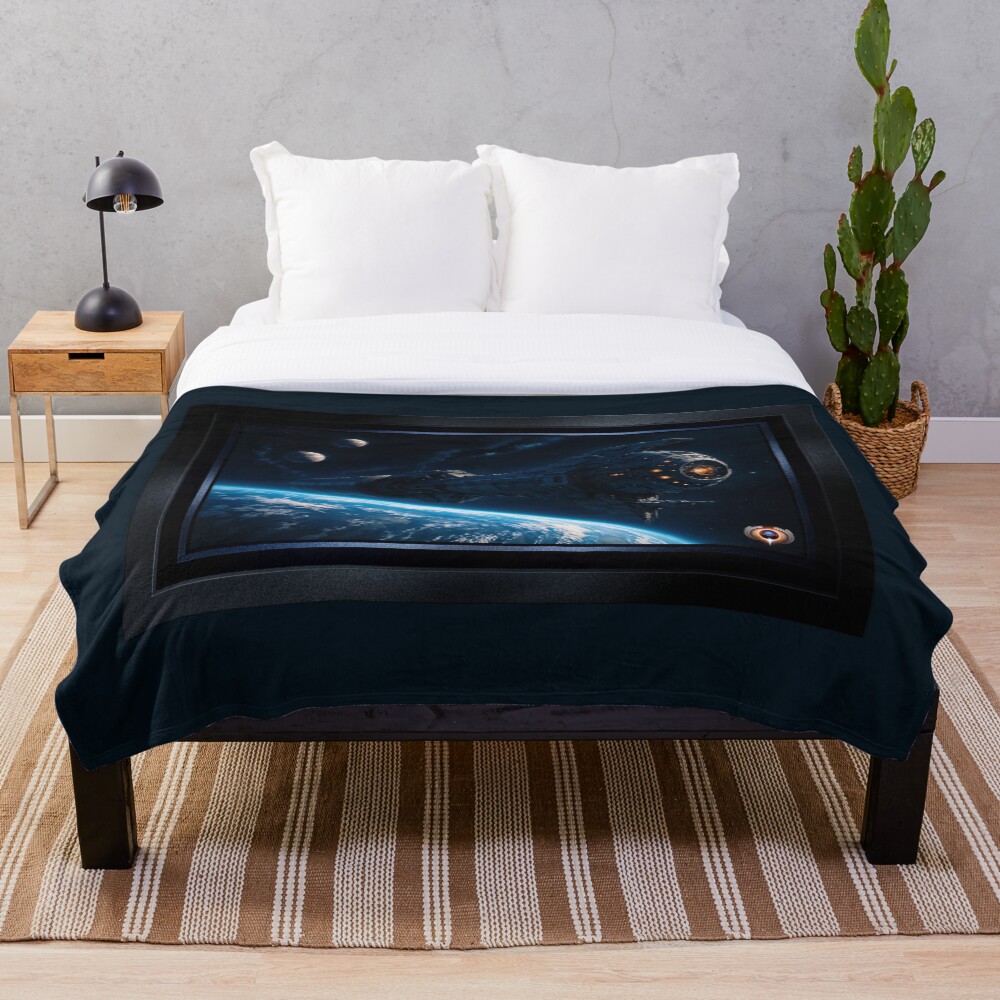
The Hyperlore Spacecraft Orbiting The Planet Trasis VII AI Concept Art by Xzendor7; presents a stunning vision of humanity’s future among the stars, showcasing an immense spacecraft gracefully circling a vibrant alien world. This artwork masterfully blends photorealistic rendering with imaginative science fiction elements, creating a captivating scene that sparks curiosity and wonder about interstellar exploration.
The sheer scale of the ship against the backdrop of Planet Trasis VII evokes feelings of awe and anticipation regarding the civilization behind such advanced technology; it’s a testament to the power of artistic vision and technological innovation in crafting compelling narratives within expansive cosmic settings. The intricate details and dynamic lighting further enhance the immersive experience, inviting viewers to contemplate the possibilities that lie beyond our own solar system.
Indholdsfortegnelse
A Colossus Amongst Worlds: Initial Impressions
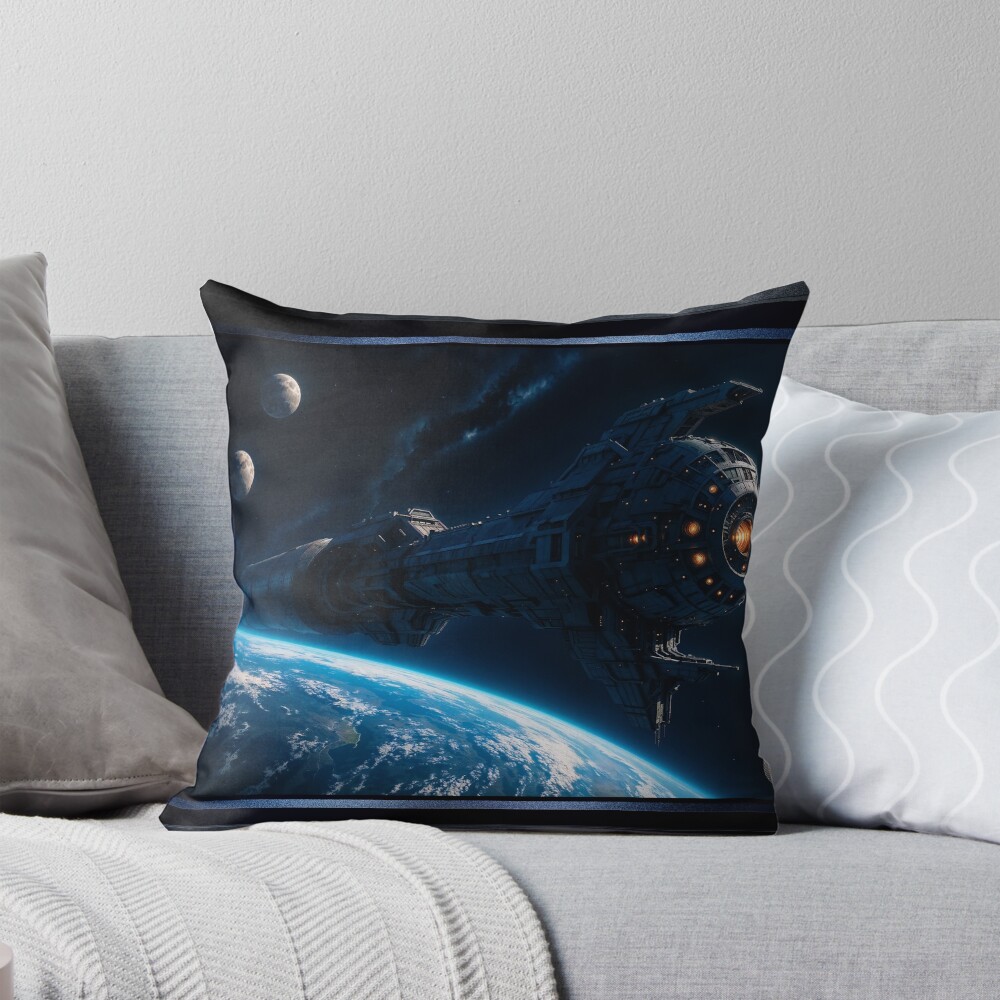
The artwork “The Hyperlore Spacecraft Orbiting The Planet Trasis VII,” presents a breathtaking vista of a colossal spacecraft gracefully orbiting the vibrant planet Trasis VII, fremviser en imponerende visning af futuristisk ingeniørkunst og kosmisk storhed; dens store skala fremhæver den jordiske sfære nedenfor. Kompositionen trækker straks beskuerens øje til skibets indviklede detaljer, fremhæver kompleks greebling og segmenteret skrogbelægning, der foreslår avancerede byggeteknikker.
En følelse af enorm kraft udgår fra fartøjet, antyder en lang rejse gennem det interstellare rum og potentielt ukendte missioner udført langt ud over vores solsystem; dens tilstedeværelse fremkalder følelser af undren og forventning om civilisationen bag en så imponerende skabelse. Kunstneren udnytter mesterligt atmosfærisk perspektiv til at skabe dybde, with distant planets appearing smaller and and accented by the light of a distant star against the inky blue-blackness of space.
The interplay of light and shadow across the ship’s surface adds a dynamic quality, emphasizing its three-dimensional form and suggesting movement even while it appears ti remains stationary. This piece successfully blends realism with science fiction elements, creating a believable depiction of advanced interstellar travel. The overall effect is one of awe-inspiring technological achievement within an expansive cosmic setting. The color palette reinforces the sense of scale and distance, utilizing rich blues, whites and grays to depict the planet and spacecraft against the stark contrast of deep space.
Form & Function: Analyzing the Ship’s Design
Skibets design udviser en blanding af utilitaristisk funktionalitet og slank æstetisk appel, foreslår en vægt på både praktisk og visuel effekt; dets aflange cylindriske skrog er præget af adskillige vinduer og adgangspunkter, der antyder indre kompleksitet. Skarpe vinkler og geometriske former dominerer fartøjets ydre, formidler en følelse af præcision og avancerede tekniske egenskaber, samtidig med at den giver strukturel integritet mod rumfartens strabadser.
Det, der ser ud til at være motorkernen bagtil, indikerer kraftige fremdriftssystemer, der er i stand til at krydse store interstellare afstande; denne visuelle cue etablerer straks skibet som en formidabel kraft i dets omgivelser. Detailed surface textures imply robust armor plating designed to withstand micrometeoroid impacts and potential hostile encounters, demonstrating preparedness of unforeseen circumstances the ship may encounter.
The overall form evokes comparisons to ancient Roman galleys, albeit scaled up exponentially and adapted for interstellar navigation; this subtle nod to historical naval architecture adds an intriguing layer of depth to the design. The ship’s silhouette is instantly recognizable as a symbol of an advanced spacefaring civilization, inspiring both curiosity and respect.
A Celestial Canvas: The Environment’s Role
Planet Trasis VII dominates the lower portion of the image, displaying swirling cloud formations and vast oceans that suggest a potentially habitable world teeming with life; its vibrant blue hue contrasts beautifully against the dark backdrop of space, creating a visually striking focal point. The presence of two smaller moons orbiting in the background further enhances the sense of scale and cosmic complexity, demonstrating a dynamic planetary system far removed from our own.
The artist skillfully utilizes atmospheric effects to depict the planet’s atmosphere, with subtle gradients of color indicating varying altitudes and weather patterns; this attention to detail adds realism and depth to the scene. The vastness of space surrounding the ship emphasizes its isolation and vulnerability, highlighting the challenges inherent in interstellar exploration.
The interplay of light and shadow across the planetary surface creates a sense of dynamism, suggesting ongoing geological processes and atmospheric activity. The composition effectively conveys the feeling of being suspended within an immense cosmic panorama, offering a glimpse into a distant corner of the universe. This carefully crafted environment serves as both a backdrop and an integral element in conveying the narrative of interstellar exploration.
Teknisk beherskelse: Børstearbejde & Belysning
The artist demonstrates exceptional technical skill through their meticulous attention to detail and masterful use of lighting techniques; the ship’s surface is rendered with precision, showcasing intricate panel lines, rivets, and other structural elements that contribute to its realism. Subtle variations in color and value across the hull create a sense of depth and curvature, enhancing the three-dimensional quality of the spacecraft.
The warm glow emanating from the ports of the ship casts dramatic shadows across the ship’s surface, adding visual interest and highlighting key design features; this strategic use of lighting creates a focal point that draws the viewer’s eye. The artist employs atmospheric perspective effectively, with distant objects appearing fainter and bluer due to the scattering of light through the atmosphere. The overall rendering style leans towards photorealism, creating an immersive experience for the viewer. This technical proficiency elevates the artwork beyond mere concept design, transforming it into a compelling visual narrative.
A Vision of Tomorrow: Fortolkning & Konklusion
The Hyperlore Orbiting The Planet Trasis VII is more than just a depiction of a spacecraft; it’s a powerful statement about humanity’s potential for interstellar exploration and technological advancement, inspiring dreams of reaching beyond our solar system. The artwork evokes feelings of wonder, ærefrygt, and perhaps even a touch of apprehension regarding the unknown challenges that lie ahead in the vast expanse of space. The ship itself represents a symbol of hope and progress, suggesting a future where humanity has overcome its limitations and embraced the cosmos.
This piece invites viewers to contemplate the possibilities of extraterrestrial life and the potential for encountering other civilizations. The meticulous detail and realistic rendering style contribute to the artwork’s overall impact, creating an immersive experience that transports the viewer to another world. I sidste ende, this is a stunning example of science fiction concept art that successfully blends technical skill with imaginative storytelling; it leaves a lasting impression on the viewer long after they have looked away.
Denne digitale kunstskabelse, som med alt det kunstværk, der kan findes på Xzendor7-webstedet, er det tilgængeligt for køb online i en række materialeformater, herunder lærredstryk, akryltryk, metaltryk, trætryk, indrammede tryk, plakater, og som rullede lærredstryk i forskellige størrelser fra 12 tommer til 72 tommer afhængigt af størrelsen på det faktiske kunstværk og den print-on-demand-butik, du vælger at købe kunsten fra.
Kunstværket er også tilgængeligt på en bred vifte af mænds og kvinders beklædning, krus, totes, tørklæder, notesbøger og journaler og mange boligindretningsprodukter.