

Бабье лето
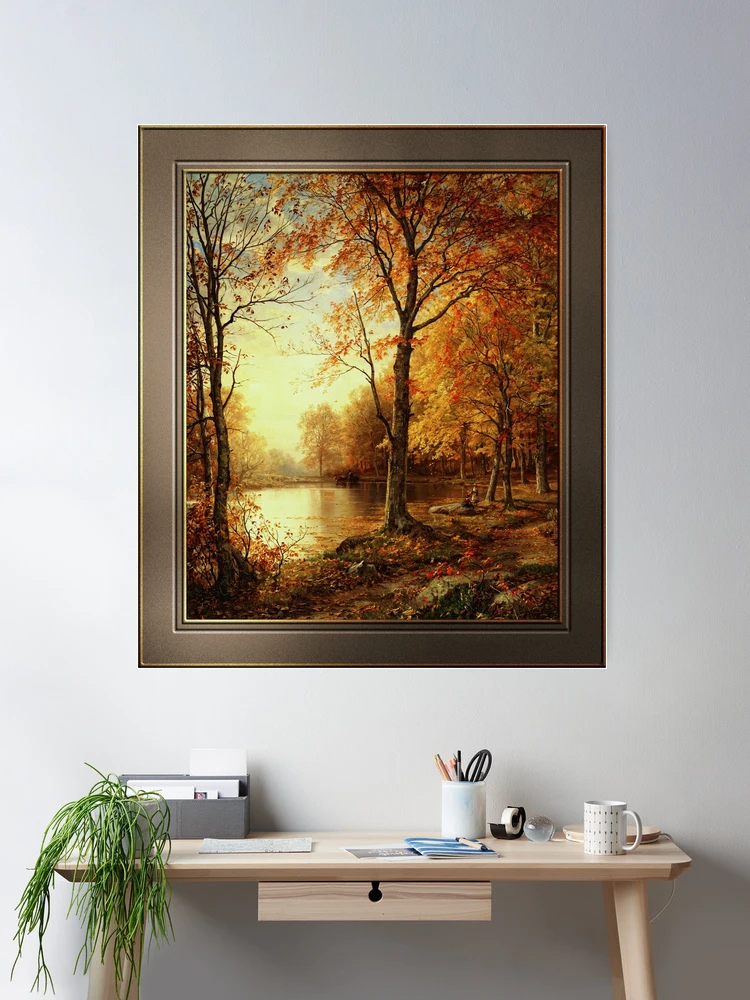
Бабье лето 1875 года, картина американского художника Уильяма Троста Ричардса. (1833 – 1905), а пейзаж и художник-маринист, который был связан как со школой реки Гудзон, так и с американскими движениями прерафаэлитов..
William Trost Richards was renowned for his exquisite landscape paintings, with a particular focus on the natural beauty of the American countryside; and this piece exemplifies his mastery of nature’s intricacies and his ability to capture fleeting moments of beauty in the landscape. This oil painting represents the serene and nostalgic feel of autumn, reflecting the gentle transition between seasons in a tranquil and detailed scene.
Оглавление
Стиль и техника
Бабье лето is painted in a style rooted in the American Luminism movement, characterized by an emphasis on light, атмосфера, and the fine details of nature. The work showcases the artist’s keen observation of light’s effects on the landscape and the subtle interplay of shadow and color. The luminous quality of the painting, with its soft and warm glow, highlights the fading summer warmth transitioning into the cooler tones of autumn.
The artist’s technique involves the meticulous layering of oil paints, creating depth and texture in the trees, вода, и небо. The palette used in Бабье лето is dominated by warm tones, from the deep oranges and yellows of the autumn leaves to the soft golds and browns of the landscape, all of which evoke the late afternoon light typical of an Indian summer day.
Основная тема и композиция
Центральный предмет Бабье лето is a serene rural landscape with a focus on a calm body of water, surrounded by trees shedding their autumn leaves. The scene is bathed in the warm light of late afternoon, creating a peaceful yet subtly melancholic atmosphere. The composition of the painting is masterfully balanced, with the large trees on either side framing the scene while the winding path and reflective water lead the viewer’s gaze into the distance. The stillness of the water adds a sense of tranquility, reflecting the trees and the soft sky above.
Деревья, mostly bare of their summer leaves but still holding onto the golden and orange foliage, stand tall and prominent in the composition. Their limbs reach skyward, bare yet delicate, allowing the artist to showcase their intricate details in contrast with the warm, golden leaves still clinging to them.
The branches intertwine and create a canopy of colors, evoking the fullness of autumn before the leaves fully drop. The small hints of green scattered among the autumn hues suggest the lingering vestiges of summer. The foreground and the bank of the stream are dotted with rocks and fallen leaves, showcasing nature’s delicate, fleeting transitions as the autumn season deepens.
Terrain and Natural Elements
Местность в Бабье лето is a representation of the rugged yet peaceful American landscape. The artist focuses on the earthy textures of the ground, the scattered rocks, and the thin blades of grass, which add a tactile sense to the composition.
Вода, gentle and calm, provides a reflective surface that mirrors the colors of the trees and sky, enhancing the serenity of the scene. The artist’s attention to detail is apparent in the way the leaves float on the water’s surface, creating a delicate contrast against the stillness of the stream.
На расстоянии, a faint outline of a lone figure, likely a fisherman or wanderer, can be seen, adding a subtle human presence to the otherwise untouched natural environment. This figure is small, almost indistinguishable at first glance, yet the choice to include this solitary person suggests an intimate connection with nature and solitude, a theme that was common in American landscape painting during this era. The person seems to be absorbed in their surroundings, perhaps quietly enjoying the autumn landscape, further enhancing the mood of quiet contemplation that pervades the painting.
Настроение и атмосфера
Настроение Бабье лето is one of quiet reflection and peaceful solitude, invoking the feeling of a tranquil autumn afternoon. Теплый, golden tones of the foliage and the soft sunlight cast a sense of nostalgia, evoking memories of past seasons and moments of calm. The feeling of transition is palpable—the fading warmth of the summer season as it gently gives way to the cooler days of autumn. There is no rush or agitation in the scene; the slow drift of leaves on the water, the stillness of the trees, and the distant figure contribute to a sense of timelessness.
The light in the painting plays a significant role in setting the mood. The soft glow of the sun, filtering through the trees and creating long shadows on the ground, invites a sense of peacefulness. It suggests a day that is slowly coming to an end, with the promise of cooler, more introspective days ahead. The atmosphere is one of serenity, but also quiet sadness, as the year’s warmth slowly fades, leaving only the lingering beauty of autumn in its wake.
Заключение
Бабье лето is a quintessential example of William Trost Richards’ ability to capture the subtleties of nature’s changing seasons. His use of light, цвет, and texture allows the viewer to step into a moment of peaceful reflection, allowing nature itself to tell the story of transition and quiet beauty. Через эту картину, Richards invites the viewer to experience the fleeting nature of autumn—a season that brings both the vibrancy of color and a hint of melancholy. The artwork stands as a celebration of the natural world in all its complexity, capturing a timeless, tranquil moment in nature.
Это ретушированная цифровая художественная репродукция старых мастеров изображения из общественного достояния..
О художнике
Следующая информация получена из Wikipedia.org
Уильям родился в Филадельфии., Пенсильвания, ноябрь. 14, 1833; и в возрасте 27 до 1855 он учился на неполный рабочий день у немецкого художника (1823 – 1916), в то время как он также работал дизайнером и иллюстратором в компании по производству декоративных металлоконструкций..
В 1858 Американский художник Альберт Бирштадт (1830 – 1902) организовал выставку в Нью-Бедфорде, Массачусетс, которому Уильям представил свою первую работу для всеобщего обозрения.
Просто 4 лет спустя в 1862 Уильям был избран почетным членом Национальной академии дизайна.; и 9 лет спустя академик.
В течение 1863 он стал членом Ассоциации продвижения истины в искусстве., а через три года уехал в Европу, где пробыл один год.
После возвращения в Соединенные Штаты Уильям провел следующие шесть лет на восточном побережье Соединенных Штатов..
В 1870-х годах Уильям создал множество известных акварельных изображений Белых гор в Нью-Гэмпшире.; которые представляют собой горный массив, покрывающий почти четверть штата и небольшую часть западного штата Мэн..
Из 1861 к 1899 Уильям выставил свои работы в Национальной академии дизайна., а также Бруклинская художественная ассоциация из 1863 к 1885; и продолжал заниматься искусством в своем доме в Джеймстауне., Род-Айленд, который он построил в 1881 до своей смерти в апреле 17, 1905.