

Jupiter Dianaren itxuran, eta Kalisto ninfa
Jupiter Dianaren itxuran, eta Kalisto ninfa c1759 pintor frantziarrarena Francois Boucher (1703 – 1770); marrazkilari gisa ere ezaguna, grabatzailea eta dekoratzailea rokoko frantses estiloan, hori ezaguna zen bere mitologiko oparoagatik, motibo alegorikoak eta erotikoak eta Luis XV.aren gorteko margolaria eta Pompadour markesaren gogokoena izan zen..
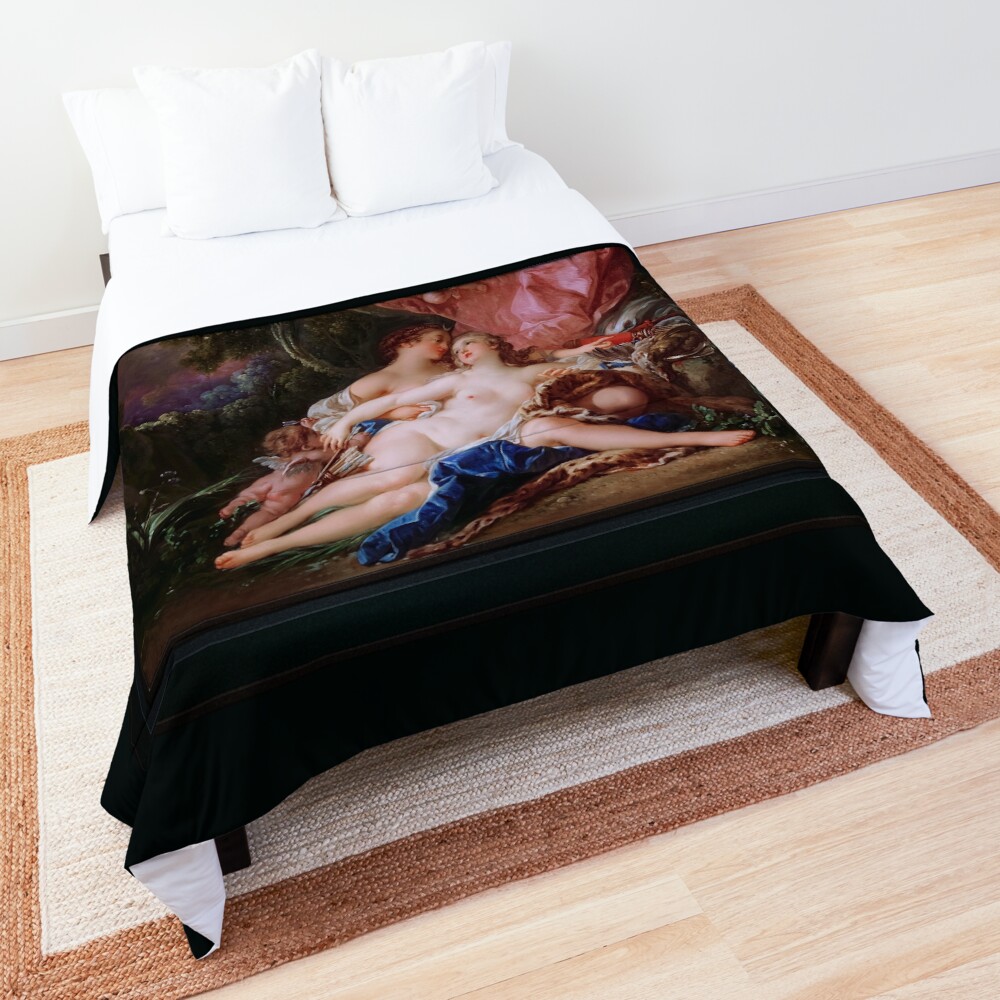
Jupiter erromatar mitologiako pertsonaiak irudikatzen dituen eszena ederra da (Arranoa), Diana (Ehizaren jainkosa), eta Kalisto Dianaren ninfa gogokoena.
Baso-eszena honetan sei irudi ikus ditzakegu, bi kerubin zuhaitz batean arrosa handi bat zintzilik bere gorputz-adarretako batetik zintzilik, Jupiter arranoaren ondoan Diana eta bere ninfa Kalisto diruditenari begira, batek ezkerreko eskuan gezi bat duela; beste bat lurrean Diana eta bere ninfa Kalisto ondoan jartzen ari diren putzuaren ondoan gezi bat ezkerreko eskuan eta geziz betetako darda batekin eskuin aldean..
Jupiter, Jainkoen Erregea Kalistoren edertasunak hartua, Diana ehiztariaz mozorrotzen da bera limurtzeko; besarkatuz putzu ondoan erlaxatzen diren bitartean hostozko kuxin baten gainean, jantzi urdina eta lehoinabar azala.
Bikotearen aldetik eztarria moztuta duen kolore argiko txori bularrean pausatzen duen txori marroi bat daukan harkaitz bat da., arroka zikintzen duen odolarekin.
Txorien atzean geziz eta arkuz betetako darda gorri bat eta kolore griseko arropa bildutako beste bat dago., arrosaren eta Jupiter arranoaren azpian gelditzen dira.
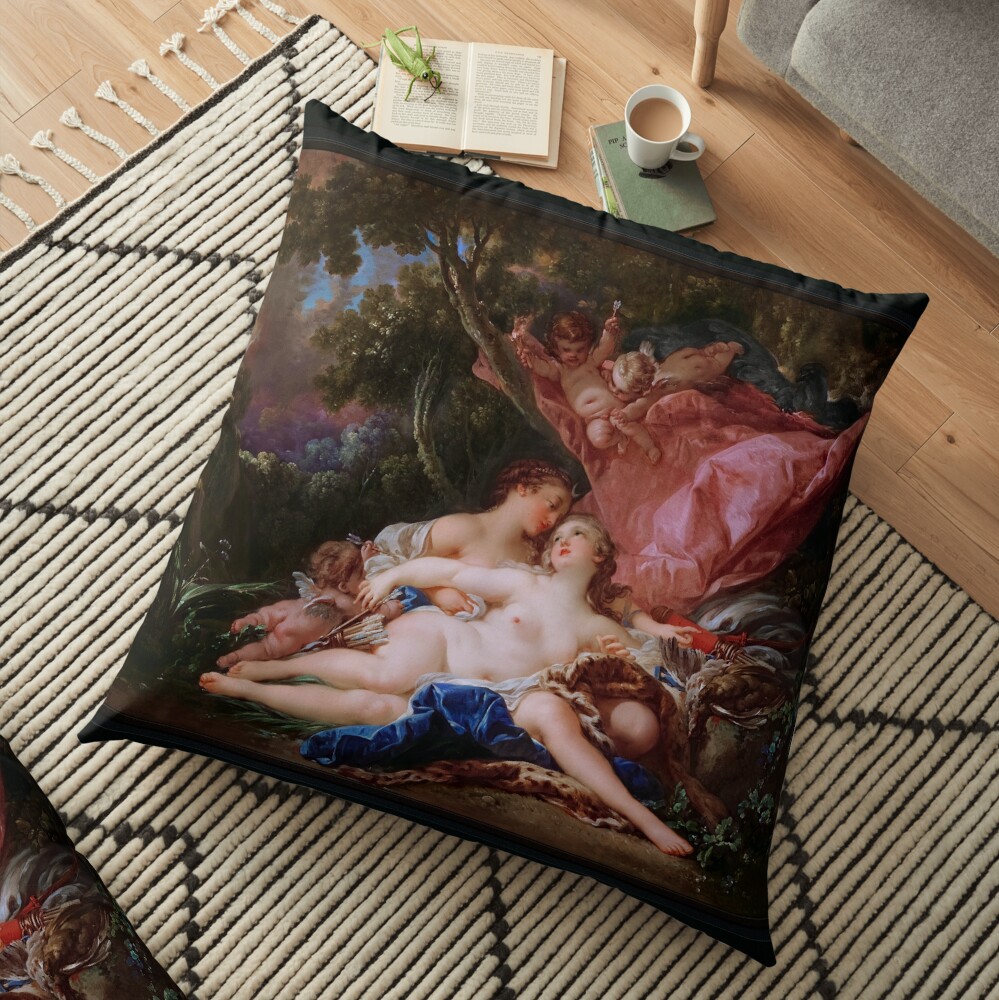
Atzean, kolore ezberdinetako baso koloretsu bat eta koloretako hodei ugariz betetako zeru urdin argia dago, Iluntzean eguzki batek argituta dagoela dirudi.
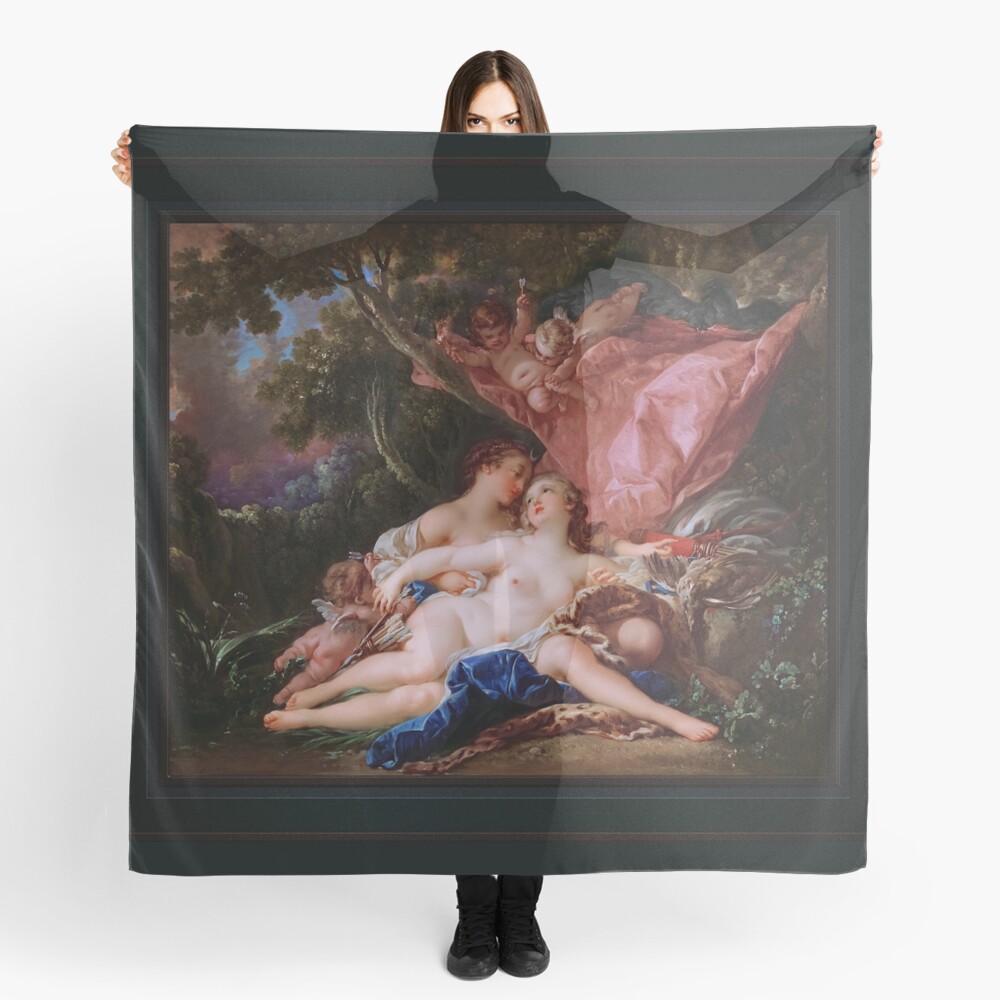
Jupiter Dianaren itxuran, eta Nymph Callisto arte digitaleko maisu zaharren erreprodukzioa da, domeinu publikoko irudi baten erreprodukzioa. mihise inprimatu sarean.
Informazioa Behean Deribatua Wikipedia.org
Pariskoa jaiotzez, Boucher ezezaguna den Nicolas Boucher margolari baten semea zen, hark eman zion lehen prestakuntza artistikoa. Hamazazpi urterekin, Boucheren margolan bat miresten zuen François Lemoyne margolariak. Geroago, Lemoynek Boucher izendatu zuen bere ikastun, baina hiru hilabeteren buruan, Jean-François Cars grabatzailearentzat lanera joan zen.
In 1720, elite Grand Prix de Rome margolaritzagatik irabazi zuen, baina ez zuen Italian ikasteko ondoriozko aukera aprobetxatu bost urte geroago arte, Pintura eta Eskultura Errege Akademian izandako arazo ekonomikoengatik.[1] Italian ikasketetatik bueltan Académie de peinture et de sculpture on birfundatu zenean onartu zuten 24 Azaroa 1731. Bere harrera pieza (harrera pieza) bere Rinaldo eta Armida zen 1734.
Boucher Marie-Jeanne Buzeaurekin ezkondu zen 1733. Bikoteak hiru seme-alaba izan zituen elkarrekin. Boucher fakultateko kide bihurtu zen 1734 eta bere ibilbidea bizkortu egin zen puntu horretatik aurrera, Akademiako Errektore eta Katedradun izendatu baitzuten, Royal Gobelins Manufactory-ko ikuskatzaile bihurtuz eta, azkenik, Premier Peintre du Roi (Erregearen lehen margolaria) urtean 1765. Marie-Louise O'Murphyren erretratua c. 1752
Boucher hil zen 30 Maiatza 1770 bere jaioterrian Parisen. Bere izena, bere patroiaren Madame de Pompadourarekin batera, Frantziako Rococo estiloaren sinonimo bihurtu zen, Goncourt anaiak idaztera eramanez: “Mende bateko zaporea adierazten duten gizon horietako bat da Boucher, adierazten dutenak, pertsonifikatu eta gorpuztu.”
Boucher famatua da natura dela esateagatik “berdeegiak eta gaizki argituta” (berdeegi eta gaizki argituta).
Boucher Jacques Guay harribitxi grabatzailearekin lotuta zegoen, marrazten irakatsi zion. Martin Ferdinand Quadal margolari moravia-austriarrari eta Jacques-Louis David margolari neoklasikoari ere tutore izan zituen. 1767.[4] Geroago, Boucherrek Guayren lanen marrazki sorta bat egin zuen, Pompadour andreak ondoren grabatu eta ederki loturiko bolumen gisa banatu zituen gortesain gogokoei.