

La Casta Susana
La Casta Susana: A Study in Classical Beauty and Antiquity
Juan Manuel Blanes’ La Casta Susana (La Casta Susanna), dipinto in giro 1862, is a captivating work that exemplifies the artist’s fascination with classical themes and his skill in depicting the human form within an evocative setting. Il dipinto, characteristic of the academic style prevalent during the mid-19th century, presents a scene steeped in antiquity, blending elements of mythology and idealized beauty to create a compelling visual narrative. Blanes, born in Uruguay in 1830 e morire 1901, was known for his historical paintings and portraits, often infused with a romantic sensibility. La Casta Susana stands as one of his most celebrated works, demonstrating both technical mastery and an appreciation for the aesthetic ideals of the time.
Sommario
Elementi compositivi & Narrative Context
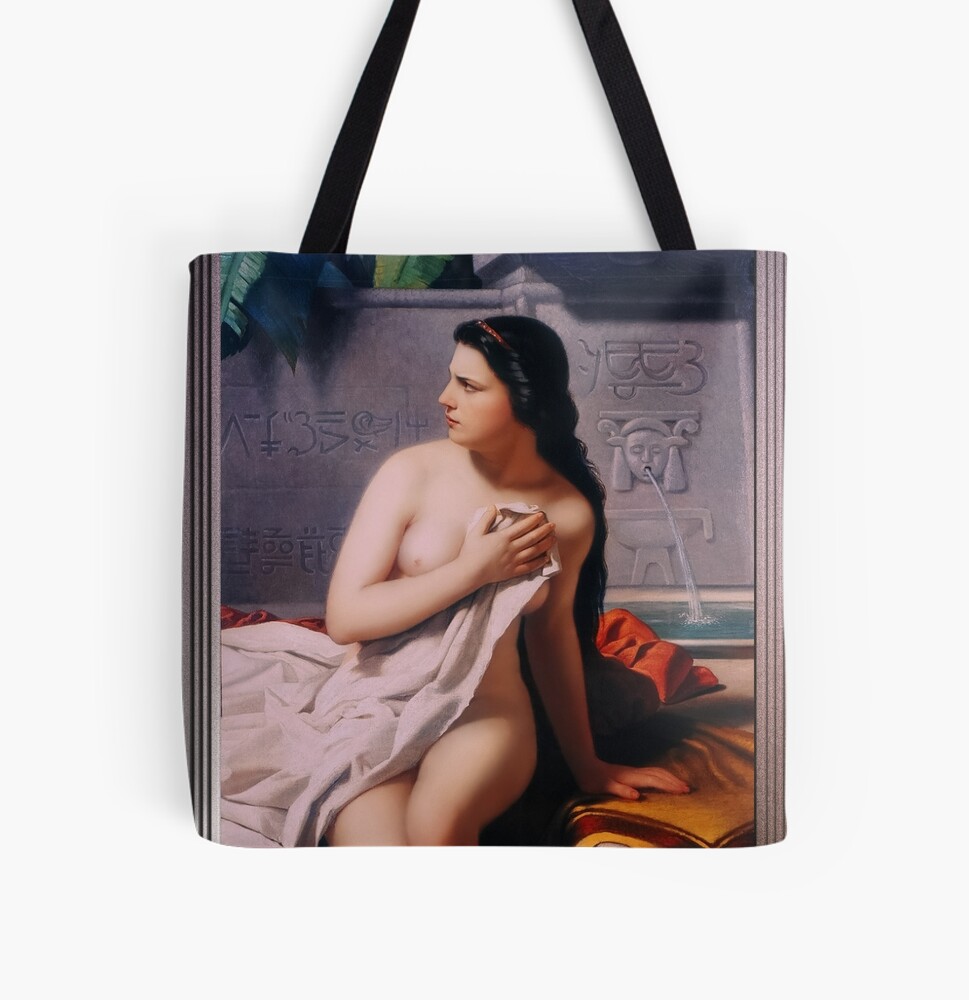
The composition is carefully structured to draw the viewer’s eye towards the central figure of Susanna (Which depicts a scene from the book of Daniel in which Susanna is falsely accused of promiscuity (un reato punibile con la morte), per due lussurioso anziani che la stavano guardando mentre faceva il bagno e poi hanno cercato di ricattarla per farle fare sesso con loro). She occupies the foreground, positioned slightly off-center within a shallow space that suggests a classical bath or grotto. The background features architectural elements – a stone wall adorned with hieroglyphs and a fountain – which contribute significantly to the painting’s overall atmosphere of ancient grandeur.
These details are not merely decorative; they actively establish a sense of place, transporting the viewer to a realm reminiscent of Roman or Egyptian antiquity. The arrangement is balanced by the drapery cascading from her hand and the vibrant orange cloth draped over a nearby ledge, creating visual counterpoints that prevent the composition from feeling static.
The Figure of Susanna: Bellezza & Poise
Susanna herself is rendered with remarkable anatomical accuracy and an idealized beauty characteristic of academic painting. Her pose is graceful yet natural; she appears to have just emerged from the water, her skin glistening slightly in the light. A large white cloth partially conceals her form, draped artfully across her chest and lower body, leaving much to the imagination while maintaining a sense of modesty within the context of the era’s artistic conventions.
Her dark hair cascades down her shoulders, contrasting with the pale tones of her skin. Her gaze is directed slightly away from the viewer, suggesting introspection or perhaps a moment of quiet contemplation. The subtle curve of her lips hints at a gentle smile, adding to the overall impression of serenity and grace.
Leggero & Tavolozza dei colori: Evoking Atmosphere

Blanes masterfully employs light and color to create a palpable atmosphere within the painting. Un morbido, diffused light illuminates Susanna from an unseen source, highlighting the contours of her body and creating subtle gradations in tone. The palette is dominated by muted earth tones – creams, marroni, and grays – which evoke the feeling of stone and water. The splashes of color, the vibrant orange cloth and the verdant green foliage visible behind the wall, provide visual interest and prevent the scene from becoming monotonous. The interplay of light and shadow enhances the three-dimensionality of the figure and the architectural elements, contributing to a sense of realism despite the painting’s idealized subject matter.
Dettagli architettonici & Symbolic Significance
The background architecture is integral to the painting’s meaning. The stone wall covered in hieroglyphs immediately evokes ancient Egypt, suggesting a connection between Susanna and the mysteries of antiquity. La fontana, with its gentle cascade of water, symbolizes purity and renewal, themes often associated with bathing rituals in classical cultures. These architectural details are not merely decorative; they serve to contextualize Susanna within a broader narrative of history and mythology. The inclusion of these elements elevates the painting beyond a simple portrait, transforming it into a meditation on beauty, tempo, and the enduring allure of the past.
Influenze artistiche & Eredità
La Casta Susana reflects the influence of Neoclassicism and Romanticism, two dominant artistic movements of the 19th century. The emphasis on classical forms and idealized beauty aligns with Neoclassical principles, while the evocative atmosphere and emotional depth resonate with Romantic sensibilities. Blanes’ work demonstrates a clear understanding of academic painting techniques, including meticulous anatomical study, skillful rendering of light and shadow, and careful attention to compositional balance. The painting remains an important example of Uruguayan art history, showcasing the country’s engagement with European artistic trends during the mid-19th century. It continues to be admired for its technical brilliance and its evocative portrayal of classical beauty within a timeless setting.
Artist Bio Juan Manyel Blanes
Juan Manuel Blanes fu una figura di spicco nello sviluppo dell'arte in Uruguay durante il XIX secolo. Ha studiato in Europa, dove fu esposto agli stili e alle tecniche dei grandi pittori europei dell'epoca. È noto per le sue rappresentazioni dettagliate e realistiche di eventi e personaggi storici, spesso con un'enfasi su temi militari e politici.
Dipinse anche ritratti, paesaggi e scene di vita quotidiana. È considerato il primo grande pittore uruguaiano di temi storici, i suoi dipinti sono considerati una cronaca visiva della storia del paese. Alcune delle sue opere più famose includono “La battaglia di Cerro Corá,” “La resa di Manuel Oribe,” e “Il giuramento della Costituzione del 1830.”
Questa è una riproduzione di arte digitale ritoccata di vecchi maestri di un'immagine di pubblico dominio disponibile per la vendita online come a stampa su tela arrotolata.