

Medytacja nad historią Włoch
Medytacja nad historią Włoch: A Detailed Examination
Francesco Hayez’s “Meditation on the History of Italy,”Namalował 1851, is a compelling work within the Romantic tradition, deeply rooted in Italian nationalism and historical allegory. Obraz, currently housed at the Pinacoteca di Brera in Milan, transcends a simple portrait to become a complex visual narrative reflecting the yearning for a unified and independent Italy during a period of political fragmentation and foreign domination. Hayez was a leading figure in the Risorgimento, the 19th-century movement that led to Italian unification, and his art frequently served as a vehicle for expressing patriotic sentiments.
Spis treści
Struktura kompozycyjna & Ustawienie
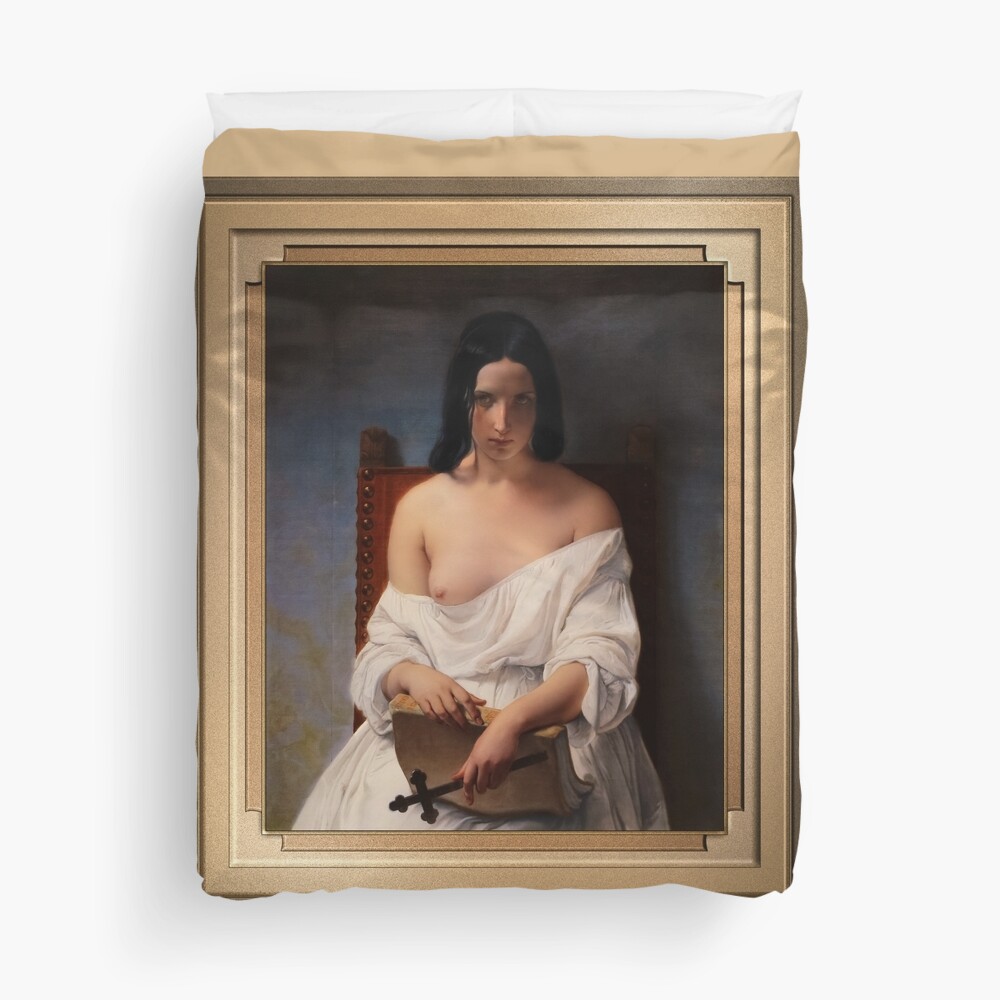
The composition is dominated by a single female figure seated upon an ornate chair against a backdrop of muted blues and grays. The chair itself appears aged and slightly dilapidated, hinting at the decline of past glories. The background fades into obscurity, suggesting a timeless setting rather than a specific historical location. This ambiguity allows for broader interpretation, encompassing Italy’s long and turbulent history. The figure is centrally positioned, drawing immediate attention to her contemplative state. The overall effect is one of quiet introspection within a space that feels both intimate and monumental.
The Figure: Identity & Strój
The woman depicted possesses striking features – dark hair cascading down her shoulders, pale skin, i intensywne, melancholic eyes. Her gaze is directed downwards, suggesting deep thought or sorrow. She is draped in a simple white gown, partially slipped from one shoulder, revealing the upper portion of her chest. The fabric appears soft and flowing, adding to the sense of vulnerability and grace. The lack of elaborate ornamentation on her attire contrasts with the ornate chair, further emphasizing her individual presence and internal focus. Her bare feet rest upon the floor, grounding her in a tangible reality despite the allegorical nature of the scene.
The Book & Cross: Elementy symboliczne
Held within her hands is an open book, its pages filled with text that remains largely illegible to the viewer. This book clearly represents Italian history and literature – the accumulated knowledge and cultural heritage of the nation. Lying across the book’s cover is a large, dark cross. The presence of the cross introduces a layer of religious significance, referencing Italy’s strong Catholic tradition and potentially alluding to the role of faith in shaping national identity. jednak, its placement atop the historical record suggests a complex relationship between religion and Italian history – perhaps a commentary on how faith has both supported and sometimes hindered the nation’s progress.
Oświetlenie & Paleta kolorów
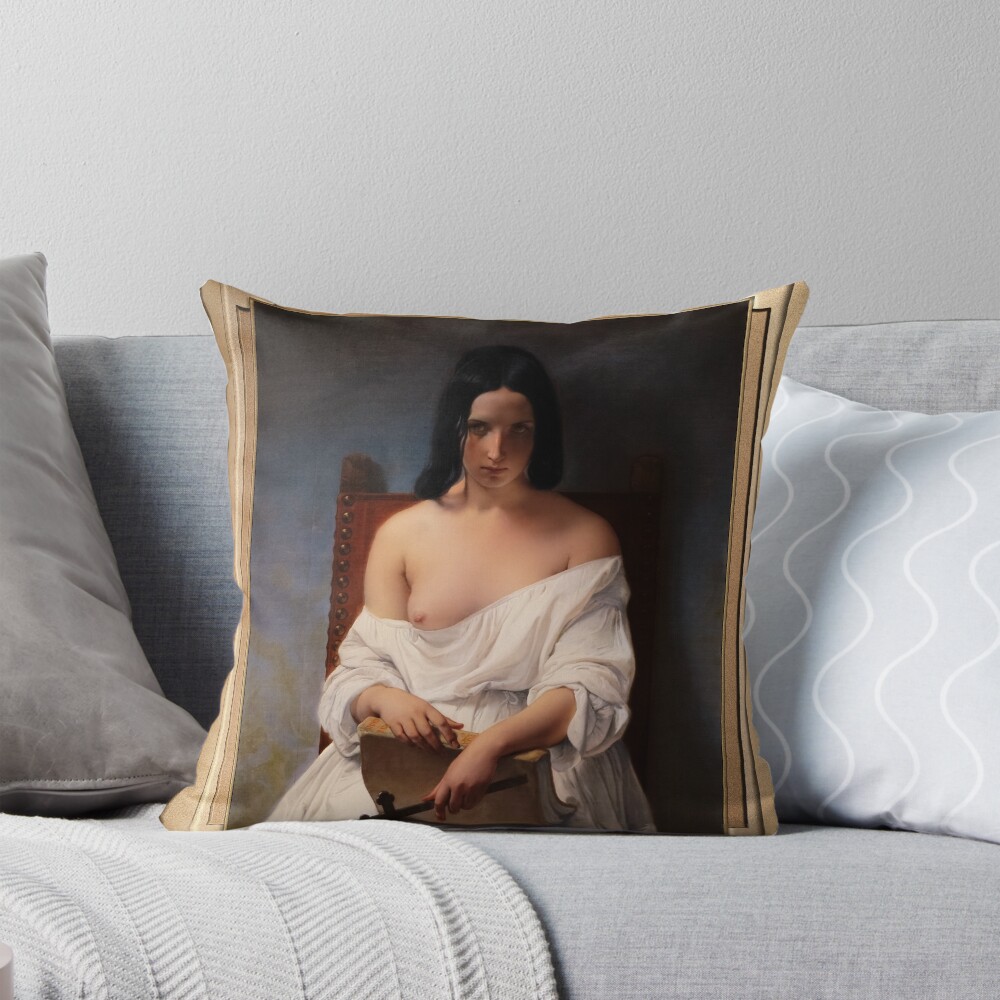
The lighting in “Medytacja nad historią Włoch” is carefully orchestrated to enhance the painting’s emotional impact. Miękki, diffused light illuminates the woman from above, highlighting her face and upper body while leaving much of the background shrouded in shadow. This creates a sense of mystery and emphasizes the figure’s isolation within her thoughts. The color palette is restrained, dominated by muted tones of white, gray, niebieski, and brown. These colors contribute to the painting’s somber mood and reinforce the themes of reflection and melancholy. The limited use of vibrant hues draws attention to specific details, such as the dark cross and the woman’s eyes.
Styl artystyczny & Wpływy
Hayez’s style is characteristic of Italian Romanticism, emphasizing emotion, indywidualizm, and a fascination with history and mythology. The painting exhibits meticulous detail in rendering the figure’s features and clothing, demonstrating Hayez’s technical skill as an artist. There are echoes of Neoclassical influences in the composition’s balance and clarity, but the overall tone is decidedly Romantic, prioritizing emotional expression over strict adherence to classical ideals. The work shares affinities with other allegorical paintings of the period, particularly those exploring themes of national identity and historical memory.
Kontekst historyczny & Interpretacja
Painted during a time when Italy was divided into numerous states under foreign rule or dominated by regional powers, “Medytacja nad historią Włoch” served as a powerful symbol of hope for unification. The woman’s contemplative pose and sorrowful expression can be interpreted as representing the Italian people reflecting upon their past struggles and yearning for a brighter future. The book symbolizes the nation’s rich cultural heritage, while the cross suggests the enduring influence of religion in Italian life. Hayez deliberately avoided explicitly depicting specific historical events or figures, allowing viewers to project their own interpretations onto the painting and connect with its broader themes of national identity and aspiration.
Bio artysty pochodzące z Wikipedia.org
Francesco Hayez pochodził ze stosunkowo biednej rodziny z Wenecji. Jego ojciec, Giovanni, był pochodzenia francuskiego, podczas gdy jego matka, Chiara Torcella, był z Murano. Francesco był najmłodszym z pięciu synów.
Został wychowany przez siostrę matki, który poślubił Giovanniego Binasco, zamożny armator i kolekcjoner sztuki. Hayez wykazywał predyspozycje do rysowania od dzieciństwa. Jego wujek, zauważywszy jego przedwczesny talent, uczył go u konserwatora dzieł sztuki w Wenecji. Hayez został później uczniem malarza Francesco Maggiotto, u którego kontynuował studia przez trzy lata.
Został przyjęty na kurs malarstwa Nowej Akademii Sztuk Pięknych w Wenecji w 1806, gdzie studiował pod kierunkiem Teodoro Matteini. W 1809 wygrał konkurs Akademii Weneckiej na roczną rezydencję w Accademia di San Luca w Rzymie.
Pozostał w Rzymie do 1814, następnie przeniósł się do Neapolu, gdzie na zlecenie Joachima Murata namalował główne dzieło przedstawiające Ulissesa na dworze Alcinousa. W połowie lat 30. uczęszczał do Salonu Maffei w Mediolanie, prowadzone przez Clarę Maffei. Mąż Maffei zamówił później Hayezowi portret swojej żony. W 1850 Hayez został mianowany dyrektorem Akademii Brera.
W trakcie długiej kariery, Hayez okazał się szczególnie płodny. W jego dorobku znalazły się obrazy historyczne, mające odwoływać się do patriotycznej wrażliwości jego mecenasów, a także dzieła wyrażające chęć towarzyszenia stylowi neoklasycystycznemu wielkim tematom, z literatury biblijnej lub klasycznej.
Malował też sceny z przedstawień teatralnych. Wyraźnie nieobecny w jego twórczości, jednak, są ołtarze? – prawdopodobnie z powodu najazdów napoleońskich, które zdekonsekrowały wiele kościołów i klasztorów w północnych Włoszech. Historyk sztuki Corrado Ricci opisał Hayeza jako klasyka, który następnie przekształcił się w styl emocjonalnego zgiełku. Francesco Hayez, Pocałunek (1859)
Jego portrety mają intensywność Ingresa i ruchu nazareńskiego. Często siedzą, Poddani Hayeza są często ubrani w surowość, czarno-biała odzież, z niewielkimi lub żadnymi akcesoriami. Podczas gdy Hayez robił portrety dla szlachty, badał także inne tematy, takie jak koledzy artyści i muzycy. Pod koniec swojej kariery, wiadomo, że pracował ze zdjęciami.
Jednym z ulubionych tematów Hayeza była na wpół ubrana odaliska nawiązująca do tematów orientalnych – ulubiony temat malarzy romantycznych.[3] Przedstawienia haremów i ich kobiet pozwoliły artystom na malowanie scen, które w przeciwnym razie nie byłyby akceptowane przez społeczeństwo. Nawet Maria Magdalena Hayeza ma więcej zmysłowości niż religijny zapał.
Obraz Hayeza Pocałunek był uważany za jedno z jego najlepszych dzieł przez współczesnych, i jest to prawdopodobnie jego najbardziej znany wysiłek. Anonimowy, nienaruszony gest pary nie wymaga znajomości mitu lub literatury do interpretacji, i przemawia do nowoczesnego spojrzenia.
Naukową ocenę kariery Hayeza komplikuje jego skłonność do niepodpisywania ani nie datowania jego prac. Często daty na jego obrazach wskazują, kiedy dzieło zostało nabyte lub sprzedane, nie czas jego powstania. Ponadto, często malował te same kompozycje kilka razy z minimalnymi wariacjami, jeśli w ogóle.
Wśród jego uczniów z Akademii Brera byli Carlo Belgioioso, Amanzio Cattaneo, Alessandro Focosi, Giovanni Battista Lamperti, Owca Livo, Angelo Pietrasanta, Antonio Shiloh, Carlo Antonio Tavella, Ismaele Teglio Milla i Francesco Valaperta.
Hayez zmarł w Mediolanie, wiek 91. Jego pracownia w Akademii Brera jest oznaczona tabliczką.
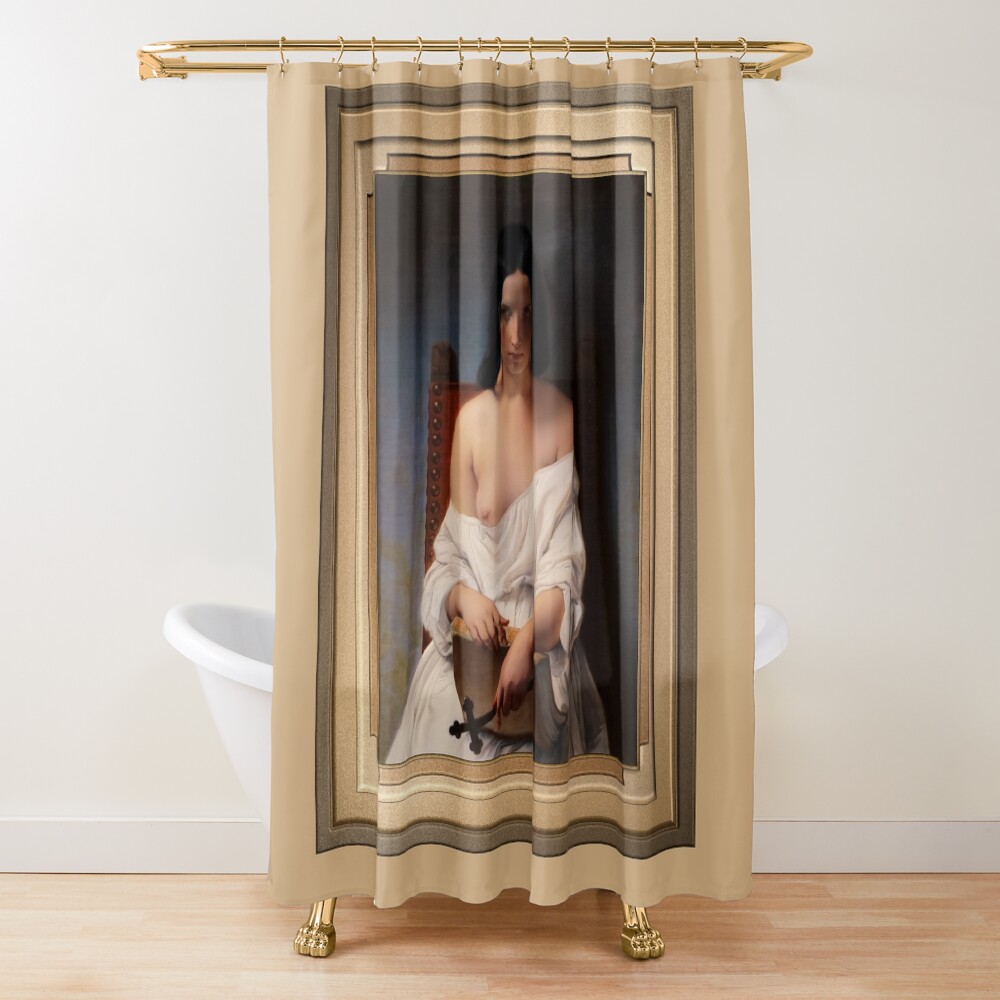
Jest to retuszowana reprodukcja starych mistrzów sztuki cyfrowej obrazu domeny publicznej, która jest dostępna do zakupu online jako zrolowany obraz na płótnie.