

Memories of Olive
Memories of Olive: A Glimpse into 1920s Glamour by Alberto Vargas
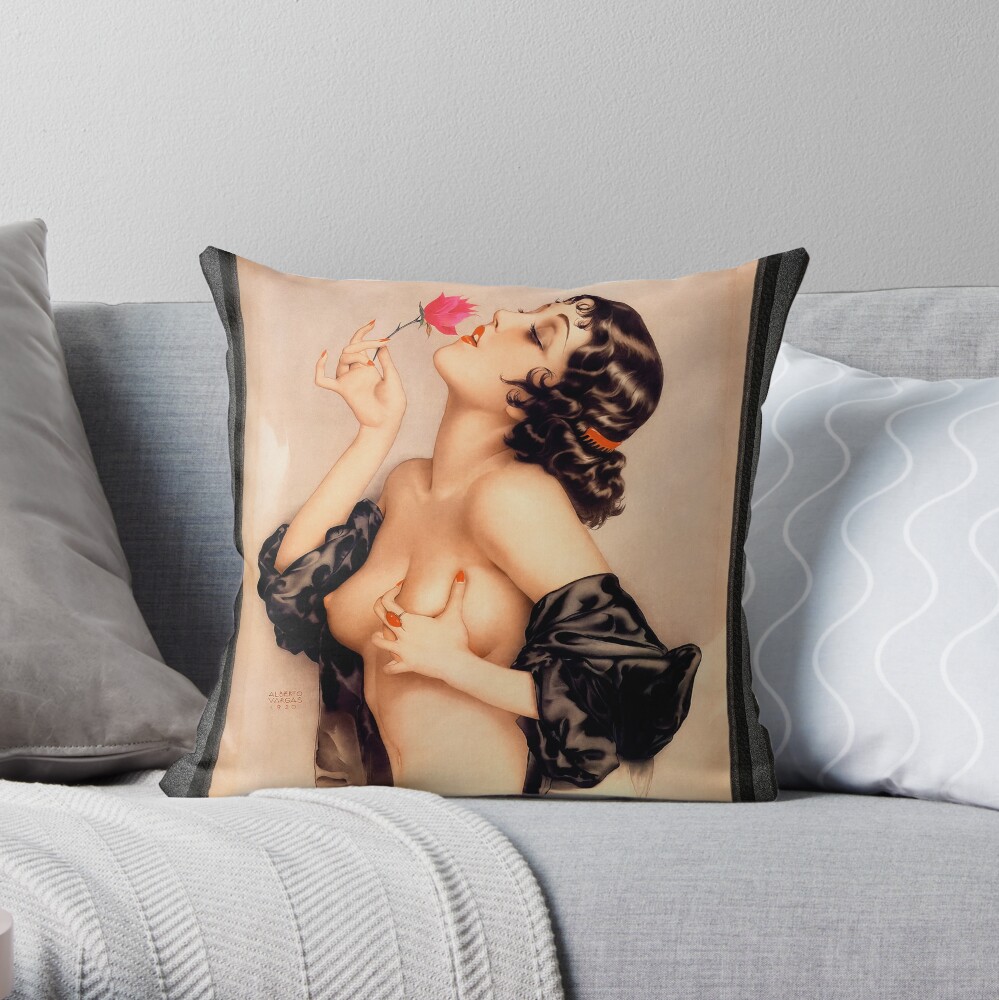
Alberto vargas’ “Memories of Olive,” luotu ympärille 1920, is a captivating example of the artist’s signature style – a blend of classical beauty ideals with the burgeoning pin-up aesthetic that defined much of the early twentieth century. The painting offers a window into an era of evolving social norms and artistic expression, showcasing a woman in a moment of quiet contemplation and sensual allure. Vargas, born in Peru but largely based in the United States, was renowned for his elegant depictions of women, often working for publications like Esquire ja Vogue, where he helped shape the visual language of glamour during the interwar period.
Sisällysluettelo
Aihe: Olive’s Poised Presence
Keskeinen hahmo, identified as “Olive,” is presented in a reclining pose that evokes classical sculpture while simultaneously embracing a more modern sensibility. Her body is gracefully curved, emphasizing the contours of her form with a delicate balance between realism and idealization. She isn’t posed aggressively or provocatively; pikemminkin, she exudes an air of quiet confidence and introspection.
Olive’s face is framed by dark, wavy hair meticulously styled in the fashionable bob cut of the 1920s, secured with a decorative band. Her eyes are downcast, focused intently on a single pink rose held delicately between her fingers. This gesture suggests a moment of private reflection, perhaps recalling cherished memories or simply appreciating the beauty of the flower itself.
Koostumus ja väripaletti: A Study in Warmth and Light
Vargas masterfully utilizes light and shadow to create depth and dimension within the muotokuva koostumus. The painting is bathed in soft, warm lighting that highlights Olive’s skin tones and creates a gentle glow around her form. This diffused illumination contributes to the overall sense of intimacy and tranquility. The color palette is similarly restrained, dominated by muted earth tones – creams, tans, and browns – which provide a subtle backdrop for the figure. The vibrant pink of the rose serves as a striking focal point, drawing the viewer’s eye and adding a touch of vibrancy to the otherwise understated scene. The dark fabric draped across her shoulders provides a visual counterpoint, grounding the composition and enhancing the sense of volume.
Taiteellisia vaikutteita: Classical Roots and Modern Sensibilities
Vargas’ artistic background is evident in “Memories of Olive.” The reclining pose directly references classical depictions of goddesses like Venus, demonstrating an appreciation for traditional beauty standards. kuitenkin, Vargas departs from strict academic conventions by incorporating elements of Art Deco design and the emerging pin-up style. This fusion results in a unique aesthetic that is both timeless and distinctly modern. The emphasis on naturalism in Olive’s features and the relaxed posture contribute to a sense of accessibility and relatability, moving away from the more distant and idealized portrayals often found in earlier classical art.
Tekninen taito: Tarkkuus ja yksityiskohdat
The painting showcases Vargas’ exceptional technical skill as an artist. The rendering of Olive’s skin is particularly noteworthy, with subtle gradations of tone that capture the softness and luminosity of flesh. Each strand of hair appears meticulously rendered, contributing to the overall sense of realism. The details in the fabric – the folds, shadows, and textures – are equally impressive. Vargas’ ability to create such a convincing illusion of three-dimensionality through paint alone is a testament to his mastery of technique.
Contextual Significance: A Reflection of an Era
“Memories of Olive” emerged during a period of significant social and cultural change in the United States. The 1920s, often referred to as the “Roaring Twenties,” were characterized by economic prosperity, technological advancements, and shifting attitudes towards gender roles. Vargas’ paintings reflected this evolving landscape, portraying women with a newfound sense of independence and self-assurance. While still adhering to traditional notions of beauty, his depictions moved away from Victorian ideals of demureness and restraint, embracing a more modern and sensual aesthetic that resonated with the spirit of the age. “Memories of Olive” stands as a poignant reminder of this transformative era in American art and culture.
Taiteilija bio Wikipedia.org
Syntynyt Arequipassa, Peru, hän oli tunnetun perulaisen valokuvaaja Max T: n poika. Vargas.[1] Alberto Vargas muutti Yhdysvaltoihin vuonna 1916 opiskellut taidetta Euroopassa, Zurich, ja Geneve ennen ensimmäistä maailmansotaa. Euroopassa ollessaan hän löysi ranskalaisen La Vie Parisienne -lehden, Kansissa Raphael Kirchner, joka hänen mukaansa vaikutti suuresti hänen työhönsä.
Hänen varhainen uransa New Yorkissa sisälsi työn taiteilijana Ziegfeld Folliesille ja monille Hollywood -studioille. Ziegfeld ripusti maalauksensa Olive Thomasista teatteriin, ja häntä pidettiin yhtenä ensimmäisistä Vargas -tytöistä. Vargas’ tunnetuin teos oli elokuvan juliste 1933 elokuva Nora Moranin synti, joka esittää lähes alastoman Zita Johannin epätoivossa. Julistetta kutsutaan usein yhdeksi suurimmista koskaan tehdyistä elokuvajulisteista.
Hänestä tuli laajalti tunnettu 1940-luvulla ikonisen toisen maailmansodan aikakauden pin-up-luojana Esquire-lehdelle. “Tytöt Vargas.” Välillä 1940 ja 1946 Vargas tuotettu 180 lehden maalauksia.[1] Monien amerikkalaisten ja liittolaisten toisen maailmansodan lentokoneiden nenätaide on saanut inspiraationsa ja mukautuksensa näistä Esquiren pin-up-laitteista, samoin kuin George Petty, ja muut taiteilijat.
This remastered vintage art pin up girl reproduction, Kuten kaikki taideteokset, jotka löytyvät Xzendor7-verkkosivustolta, ovat ostettavissa verkosta useissa eri materiaalimuodoissa, mukaan lukien kanvasvedokset, akryyliprintit, metalliprintit, puu tulosteita, kehystetyt printit, julisteita, ja kuten rullatut kanvasprintit eri kokoja alkaen 12 tuumaa 72 tuumaa riippuen todellisen taideteoksen koosta ja tilauspainatusliikkeestä, josta haluat ostaa taiteen.
Tämä on retusoitu digitaalisen taiteen vanhojen mestareiden kopio julkisesta kuvasta.