

올리브의 추억
올리브의 추억: A Glimpse into 1920s Glamour by Alberto Vargas
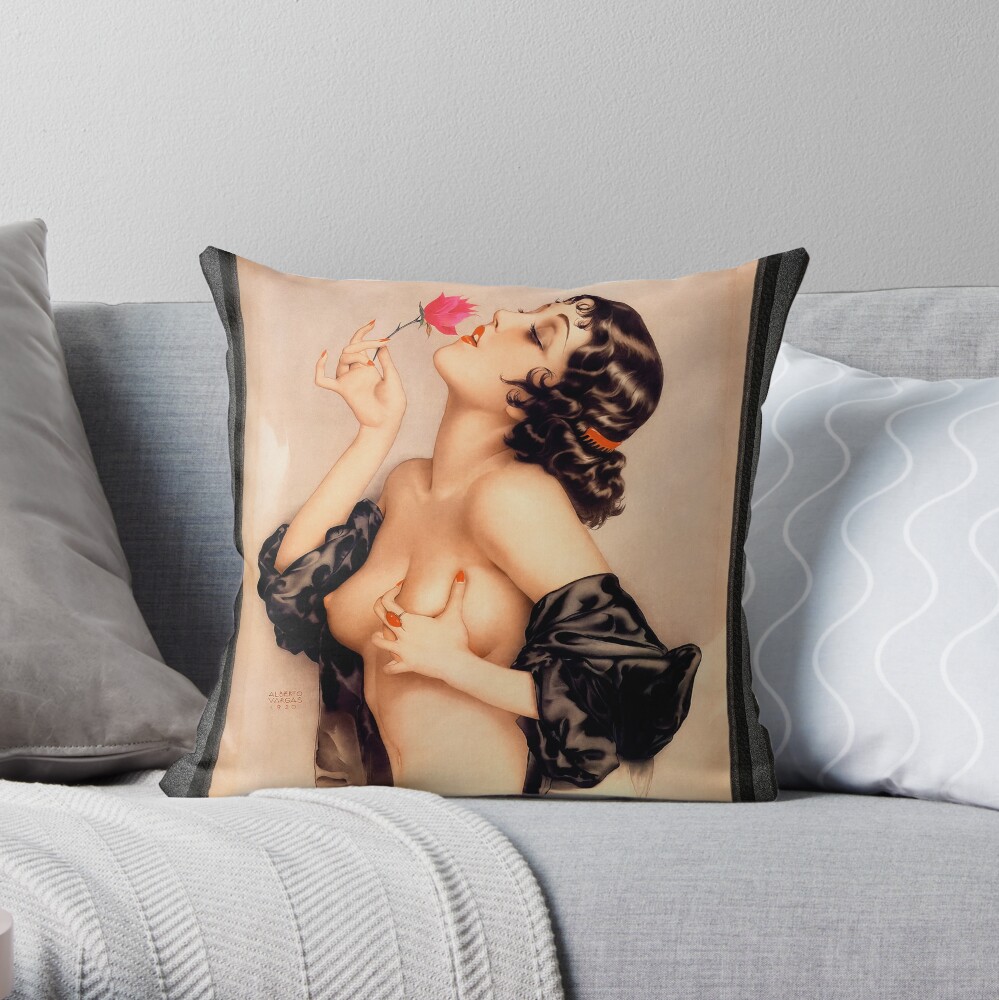
Alberto Vargas 자리 표시자 이미지’ “Memories of Olive,” created around 1920, is a captivating example of the artist’s signature style – a blend of classical beauty ideals with the burgeoning pin-up aesthetic that defined much of the early twentieth century. The painting offers a window into an era of evolving social norms and artistic expression, showcasing a woman in a moment of quiet contemplation and sensual allure. 바르가스, born in Peru but largely based in the United States, was renowned for his elegant depictions of women, often working for publications like Esquire 과 Vogue, where he helped shape the visual language of glamour during the interwar period.
목차
주제: Olive’s Poised Presence
중심 인물, identified as “Olive,” is presented in a reclining pose that evokes classical sculpture while simultaneously embracing a more modern sensibility. Her body is gracefully curved, emphasizing the contours of her form with a delicate balance between realism and idealization. She isn’t posed aggressively or provocatively; 꽤, she exudes an air of quiet confidence and introspection.
Olive’s face is framed by dark, wavy hair meticulously styled in the fashionable bob cut of the 1920s, secured with a decorative band. 그녀의 눈은 우울하다, focused intently on a single pink rose held delicately between her fingers. This gesture suggests a moment of private reflection, perhaps recalling cherished memories or simply appreciating the beauty of the flower itself.
Composition and Color Palette: A Study in Warmth and Light
Vargas masterfully utilizes light and shadow to create depth and dimension within the 초상화 구성. The painting is bathed in soft, warm lighting that highlights Olive’s skin tones and creates a gentle glow around her form. This diffused illumination contributes to the overall sense of intimacy and tranquility. The color palette is similarly restrained, dominated by muted earth tones – creams, tans, and browns – which provide a subtle backdrop for the figure. The vibrant pink of the rose serves as a striking focal point, drawing the viewer’s eye and adding a touch of vibrancy to the otherwise understated scene. The dark fabric draped across her shoulders provides a visual counterpoint, grounding the composition and enhancing the sense of volume.
예술적 영향: Classical Roots and Modern Sensibilities
바르가스’ artistic background is evident in “Memories of Olive.” The reclining pose directly references classical depictions of goddesses like Venus, demonstrating an appreciation for traditional beauty standards. 하지만, Vargas departs from strict academic conventions by incorporating elements of Art Deco design and the emerging pin-up style. This fusion results in a unique aesthetic that is both timeless and distinctly modern. The emphasis on naturalism in Olive’s features and the relaxed posture contribute to a sense of accessibility and relatability, moving away from the more distant and idealized portrayals often found in earlier classical art.
기술 기술: Precision and Detail
The painting showcases Vargas’ exceptional technical skill as an artist. The rendering of Olive’s skin is particularly noteworthy, with subtle gradations of tone that capture the softness and luminosity of flesh. Each strand of hair appears meticulously rendered, contributing to the overall sense of realism. The details in the fabric – the folds, shadows, and textures – are equally impressive. 바르가스’ ability to create such a convincing illusion of three-dimensionality through paint alone is a testament to his mastery of technique.
맥락 적 의미: A Reflection of an Era
“올리브의 추억” emerged during a period of significant social and cultural change in the United States. The 1920s, often referred to as the “Roaring Twenties,” were characterized by economic prosperity, technological advancements, and shifting attitudes towards gender roles. Vargas’ paintings reflected this evolving landscape, portraying women with a newfound sense of independence and self-assurance. While still adhering to traditional notions of beauty, his depictions moved away from Victorian ideals of demureness and restraint, embracing a more modern and sensual aesthetic that resonated with the spirit of the age. “올리브의 추억” stands as a poignant reminder of this transformative era in American art and culture.
아티스트 바이오 Wikipedia.org
아레키파 출생, 페루, 그는 유명한 페루 사진 작가 Max T의 아들이었습니다.. 비애[1] 알베르토 바르가스(Alberto Vargas) 1916 유럽에서 미술을 공부한 후, 취리히, 제1차 세계 대전 이전의 제네바. 그는 유럽에 있는 동안 프랑스 잡지 La Vie Parisienne를 접했습니다., Raphael Kirchner의 표지와 함께, 그의 작품에 큰 영향을 끼쳤다고 합니다..
뉴욕에서의 그의 초기 경력에는 Ziegfeld Follies 및 많은 할리우드 스튜디오의 예술가로서의 작업이 포함되었습니다.. Ziegfeld는 극장에 올리브 토마스의 그림을 걸었습니다., 그리고 그녀는 초기 Vargas Girls 중 한 명으로 생각되었습니다.. 바르가스’ 가장 유명한 영화 작품은 '포스터'였다. 1933 영화 노라 모란의 죄, 나체에 가까운 지타 요한이 절망적인 포즈를 취하고 있는 모습을 보여줍니다.. 포스터는 종종 역사상 가장 위대한 영화 포스터 중 하나로 선정됩니다..
그는 1940년대에 Esquire 매거진의 상징적인 제2차 세계 대전 시대 핀업의 창시자로 널리 알려졌습니다. “바르가스 걸스.” 사이 1940 과 1946 바르가스 생산 180 잡지의 그림.[1] 많은 미국 및 연합군 항공기의 노즈 아트는 이러한 Esquire 핀업에서 영감을 받아 적용되었습니다., 조지 페티(George Petty)와 마찬가지로, 그리고 다른 예술가들.
이 리마스터링된 빈티지 아트 핀업걸 복제품은, Xzendor7 웹사이트에서 찾을 수 있는 모든 예술 작품과 마찬가지로 캔버스 인쇄를 포함한 다양한 재료 형식으로 온라인에서 구매할 수 있습니다., 아크릴 프린트, 금속 지문, 목판화, 액자 인쇄, 포스터, 그리고 압연 캔버스 인쇄 부터 다양한 사이즈로 12 인치에 72 실제 작품의 크기와 작품을 구매하기로 선택한 주문형 인쇄소에 따라 인치.
이것은 공개 도메인 이미지의 수정 된 디지털 아트 오래된 마스터 복제입니다.