

Minerbak eta Merkuriok Perseo besatuko dute (Minerva eta Merkurio Perseo armatuz), c1604
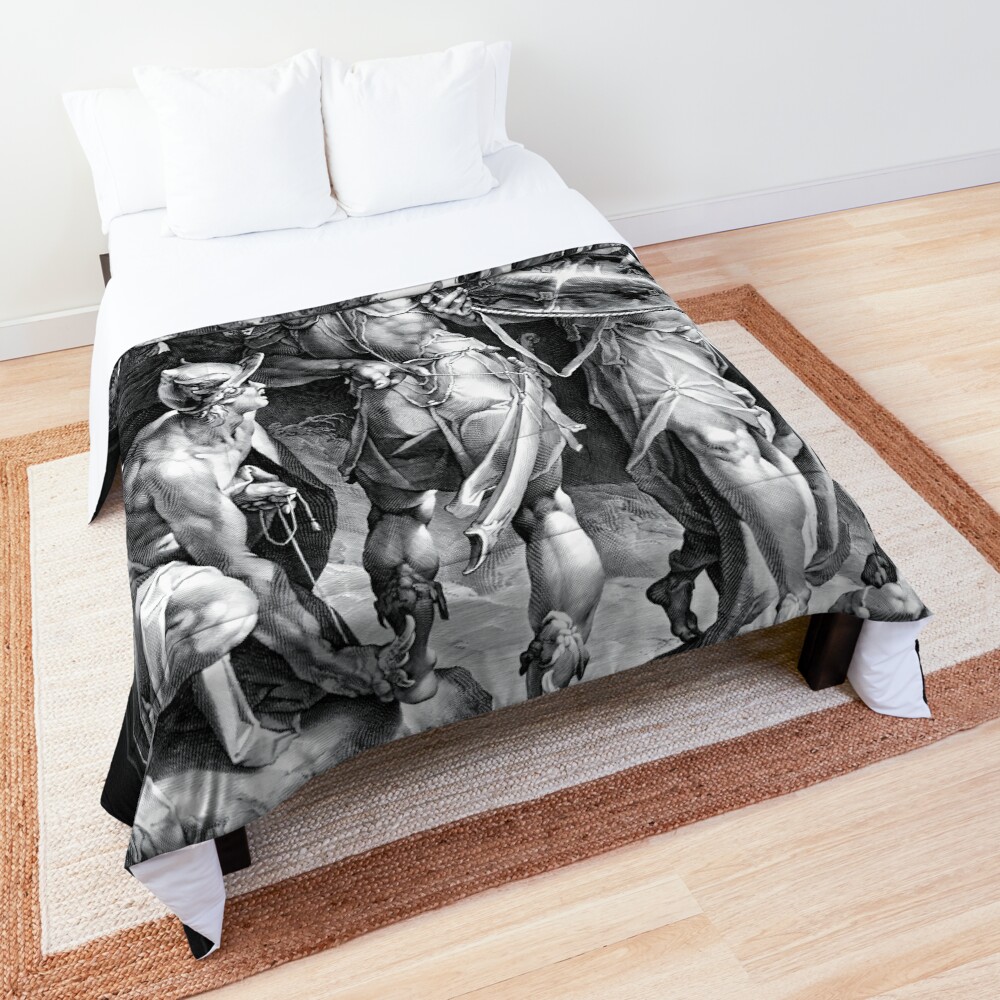
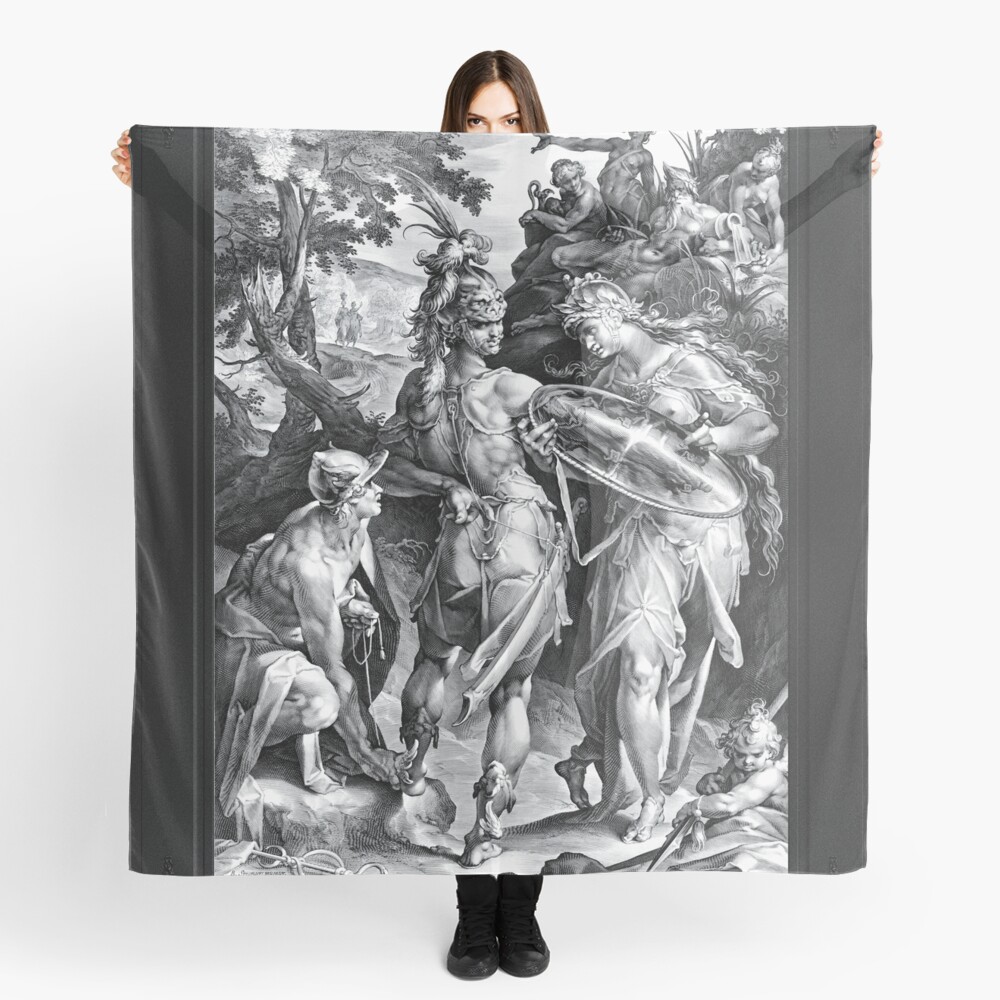
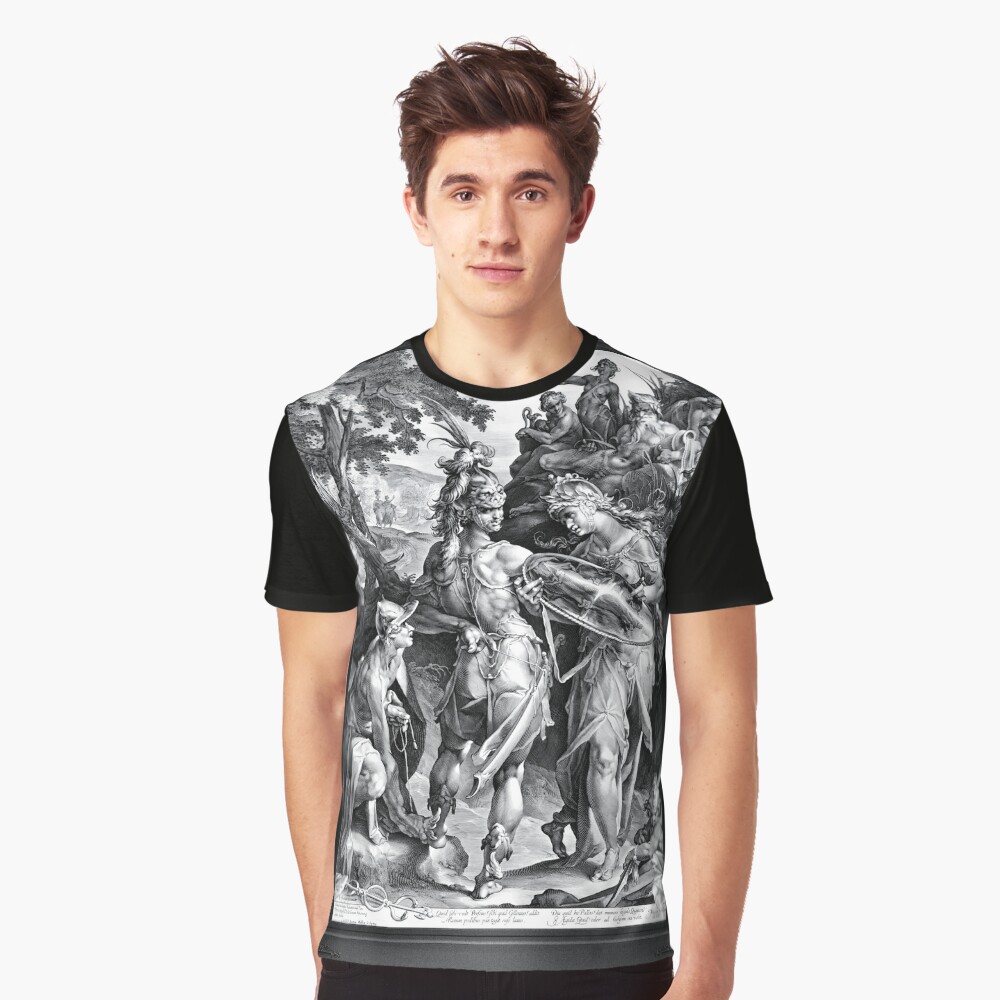
Grabatua Minerbak eta Merkuriok Perseo besatuko dute (Minerva eta Merkurio Perseo armatuz), sortua 1604 Jan grabatzaile holandarrak Harmonizatu. Muller (1571 – 1628), mitologia klasikotik ateratako narrazio bisual erakargarria eskaintzen du. Inprimaketa oso xehe honek Minerva eta Merkurio jainkoek Perseo heroiari Medusa munstroa garaitzeko behar dituen tresnak eskaintzen dizkioten unea jasotzen du.. Eszena, sinbolismoan eta ekintzan aberatsa, Holandako Errenazimenduaren zati handi bat definitu zuen estilo manieristaren adibidea da, handitasun mitologikoa eta eskulan korapilatsuak uztartuz.
Edukien taula
Gai nagusia eta pertsonaiak
Artelanaren erdiko figurak Minerva dira, jakinduriaren jainkosa, eta Merkurio, jainko mezularia, Perseo bere eginkizun ikaragarrirako armatzen irudikatzen direnak. Perseoren erretratua bereziki nabarmena da bere gazte eta heroiko jokaeragatik, jasotzen duen jainkozko laguntza azpimarratuz. Perseus konposizioaren erdian dago, konfiantzaz, Minervak ezkutua ematen dion bitartean, elementu erabakigarria Medusa garaitzeko bere bilaketan. Bere begirada zentratuta dago, prestutasun eta determinazio sentimendua transmitituz.
Minerva, bere kasko eta armaduraz apainduta, Perseoren atzean dago, bere jarrera duina eta solidarioa. Esku batean ezkutu bat dauka, beste eskua heroiarengana hedatzen den bitartean, orientazioa eta babesa eskainiz. Bere lasaitasuna, adierazpen autoritarioak bere inguruko ekintzarekin kontrajartzen du, jakinduria eta estrategia gorpuzten. Merkurio, Perseon kokatuta’ alde, datorren borrokarako prestatzen ari dela ikusten da. Hegodun sandaliak eta kaduzeo batekin irudikatu ohi da, symbolizing his role as the divine messenger and his speed in assisting Perseus.
Objektuak eta sinbolismoa
The objects in this engraving are meticulously detailed, each holding symbolic significance. The most prominent of these is the shield that Minerva presents to Perseus. The shield’s reflective surface will allow Perseus to view Medusa’s image without directly gazing upon her, a crucial aspect of the myth. The shield’s intricate design and polished surface reflect the engraver’s skill in rendering texture and light. The shield serves as both a tool of protection and a symbol of divine favor.
Mercury is shown with the caduceus, the staff entwined with two serpents, a powerful emblem of his role as a guide and protector. His winged sandals, which suggest swiftness and freedom, are gehiago azpimarratzeko bere izaera jainkotiarra eta narrazio mitologikoan eginkizuna. Horrez gain, jainkoen presentziak hilkorren aferetan jainkozko esku-hartzeak duen garrantzia nabarmentzen du, mitologia klasikoan errepikatzen den gaia.
Lurra eta atzeko planoa
Grabatuan ageri den lur malkartsua da, paisaia harritsua, Antzinateko jainko eta heroiekin lotutako eszena mitikoen ohikoa. Harkaitz zorrotzek eta bide bihurgunetsuek Medusa hiltzera abiatzen den Pertseorentzat izango den bidaia traidorea iradokitzen dute.. Hondoa horizonte menditsu batez beteta dago, Medusaren gordelekuaren kokapen arriskutsu eta urruna adieraziz.
Perseo eta jainkoen atzean, there are several smaller figures who represent the entourage of gods and heroes that often surround mythological events. Zifra hauek, though less detailed than the central characters, contribute to the composition’s dynamic energy, and their gazes and poses add to the narrative flow. The overall composition seems to convey the tension between mortal heroism and divine support, as well as the intricacies of mythological storytelling.
Estiloa eta Teknika
Jan Harmensz. Muller’s engraving reflects the high level of detail typical of the Mannerist style, which dominated European art during the late Renaissance. The intricate cross-hatching, delicate shading, and smooth lines are indicative of the artist’s virtuosity in handling the medium of engraving. The attention to detail in the folds of the garments, the textures of the armor, and the reflections on the shield show Muller’s deep understanding of human anatomy and the subtleties of light and shadow.
Argi-ilunaren erabilera, or the contrast between light and dark, is a prominent feature in this work. This technique serves not only to model the figures in a realistic manner but also to create a dramatic atmosphere that underscores the mythological narrative. The figures emerge from a dark, shaded background, drawing the viewer’s eye toward the illuminated characters at the center of the scene. The dynamic poses of the figures, particularly the gestures of Minerva and Mercury, imbue the scene with a sense of motion and life, despite the still nature of the engraving.
Gaia eta Aldartea
The engraving presents a heroic and mythological theme, drawing from classical stories to evoke the timeless struggle between mortals and the gods. The act of arming Perseus reflects a broader narrative of divine intervention in human affairs, where the gods assist heroes in overcoming seemingly insurmountable challenges. The mood is one of anticipation and readiness, with Perseus poised to embark on his perilous journey, supported by the wisdom of Minerva and the speed of Mercury.
There is an underlying tension in the engraving, as the viewer understands that Perseus must face a terrifying foe, yet the gods’ involvement lends an air of inevitability to his success. The mood is further enriched by the compositional balance between the calm, controlled demeanor of Minerva and the active, guiding presence of Mercury. The figures are arranged in such a way that their placement and posture create a harmonious yet dramatic tension within the composition.
Bukaera
Jan Harmensz. Muller’s Minerbak eta Merkuriok Perseo besatuko dute is a masterful engraving that captures a moment from classical mythology with elegance and complexity. The composition is rich with symbolism, meticulously detailed figures, and a carefully crafted narrative. Through his technical expertise and artistic vision, Muller creates a vivid portrayal of divine intervention and the heroic journey, providing a glimpse into the mythological world that has captivated generations.
Arte digital digital zaharra da, domeinu publiko baten erreprodukzioa linean erosteko eskuragarri dagoen domeinu publiko baten erreprodukzioa ijetzitako mihise inprimatua.
Arte digitalaren sorkuntza hau, Xzendor7 webgunean aurki daitezkeen artelan guztiak bezala sarean erosteko eskuragarri dago hainbat material formatutan, mihise inprimatuak barne., estanpatu akrilikoak, metal estanpatuak, egur estanpatuak, marko estanpatuak, kartelak, eta ijetzitako mihise estanpatu gisa hainbat tamainatan 12 zentimetroetara 72 hazbeteko artelanaren eta artea erosteko aukeratzen duzun eskaeraren arabera inprimatzeko dendaren tamainaren arabera.
Artelana gizonezkoen eta emakumezkoen arropa sorta zabal batean ere eskuragarri dago, katiluak, totes, zapiak, koadernoak eta aldizkariak eta etxeko dekorazio produktu ugari.
Artistari buruz
Jan Muller was a Dutch Golden Age engraver and painter who was born in Amsterdam on 1571 and learned the trade of engraving from his father Harmen Jansz. Muller (1540 – 1617) who was a book printer, engraver, and publisher.
Jan was a prolific and skilled engraver who was known for his attention to detail, and produced made drawings, grabatuak, margolanak, and was especially known for his portraits of political figures, erregetza, and other prominent figures of the time.
Jan’s most famous works include his engravings of the mythological figures of Minerva and Mercury, his portraits of the Dutch royal family, and his collaborations with the sculptor Adriaen de Vries (1545 – 1626), Dutch Golden Age Painter, Rembrandt Harmenszoon van Rijn (1606 – 1669), and the Flemish Engraver, Jan Sadeler (1550 – 1600).
He was also known for his drawings of the great Dutch landscape painter, Jan van Goyen (1596 – 1656), which were made for an edition of van Goyen’s works; and he became an important figure in Dutch engraving, eta bere lanak Holandako artearen urrezko aroaren lekukotzat hartzen dira.
Jan ere irakasle errespetatua zen, bere gaitasunak bere ikasleei transmititzea, grabatzaile eta margolari holandarra barne hartzen zuena, Pieter de Molyn (1597 – 1661); eta Holandako artearen Urrezko Aroan laguntzaile garrantzitsua izan zen.