

Nymphes au Bain (Nymphes au Bain) c1830
Nymphes au Bain (Nymphes au Bain) painted around 1830 by the renowned French artist Baron Auguste-Gaspard-Louis Desnoyers, who was active during the late 18th and early 19th centuries. Desnoyers, who was born in 1779 and passed away in 1857, is celebrated for his ability to blend classical themes with exquisite artistic techniques.
This particular work represents a return to mythological and sensual motifs, reflective of the Romantic movement’s emphasis on emotion, natura, and the beauty of the human form. In Nymphes au Bain, Desnoyers captures a serene, yet ethereal scene of nymphs bathing in a tranquil, natural setting. Stu pittura, like many works of the Romantic era, speaks to the connection between the human spirit and the divine, mostra una visione idealizzata di a forma femminile è a grazia di a natura.
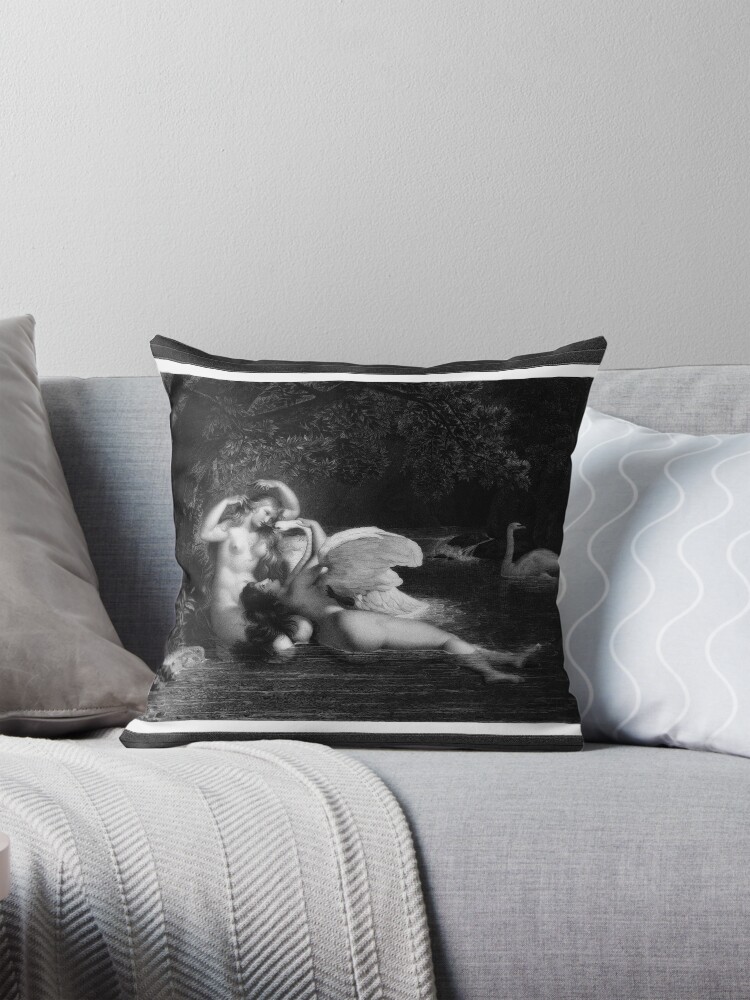
Table of Contents
A Scena è u Ambiente
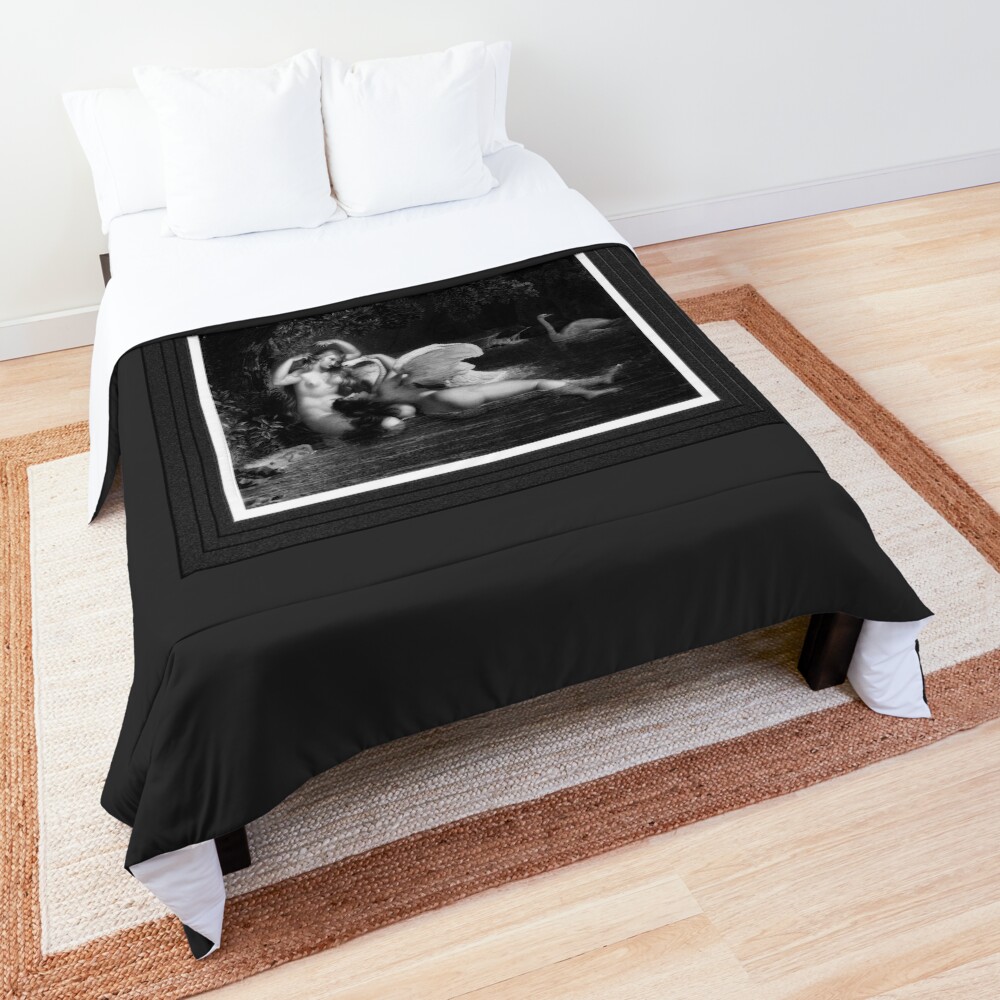
A pittura raffigura una lussureggiante, scena intima situata vicinu à a riva di un fiume o di un lavu chì scorri dolce. U tarrenu hè salvaticu è untamed, cù un densu fogliame chì frama a cumpusizioni. I ninfi, esseri mitologichi spessu assuciati cù l'acqua, appariscenu cum'è figure graziose è eterei, i so corpi brillanu in a luce dolce chì pare emanà da l'ambienti circundante. U fondu hè pienu d'arburi scuri, folla spessa, è un sensu di prufonda, desertu quasi primitivu, chì mette in risaltu l'armunia naturali chì abitanu e ninfe.
L'acqua, chì occupa una grande parte di a parte bassa di a pittura, riflette i ninfi’ figure in un tranquillu, superficia cum'è vetru. L'atmosfera generale evoca un sensu di tranquillità, senza toccu da e dure realità di u mondu fora.
L'umore hè unu di serenità intima, induve e forme femine esistenu in armunia cù l'ambiente, indisturbati da l'interferenza umana. U paisaghju circundante, marcatu da u tonu frescu è ligeramente sombri di i verdi è marroni, cuntrasta u morbidu, carne luminosa di e ninfe, chì attira l'ochju di u visore versu e figure cintrali.
I Ninfe è a so interazzione
In u primu pianu, duie ninfe sò i figuri cintrali in a pittura. Una ninfa, cù i capelli longu chì scorri, reclina nantu à a superficia di l'acqua, u so corpu dilicatu parzialmente sottumessu. Her pose suggests a sense of relaxation and vulnerability, evoking the ideals of beauty and grace that were highly regarded in the Romantic period. She is the focal point, surrounded by the harmonious surroundings of nature.
Her hand gently rests on the back of another nymph, whose form, with extended wings, appears to be emerging from the water, as if she were a mythical creature or divine being. This nymph, whose wings seem to glisten in the soft light, mirrors the graceful poses of classical figures seen in ancient Greek and Roman art. The delicate juxtaposition of the two nymphs, one at rest and the other in a dynamic, almost otherworldly pose, creates a striking visual balance.
The figures are idealized representations of the female form, cun molle, smooth contours and gentle curves. The contrast between the flowing, organic shapes of the nymphs and the more static, rooted elements of nature (the trees, rocks, and water) highlights the delicate, transient beauty of the nymphs, positioning them as eternal, otherworldly beings who inhabit and are deeply connected to the natural world. The wings of the second nymph, glimmering with light, introduce an almost celestial quality, suggesting that these beings are not merely human but are infused with divine, mythological essence.
L'usu di a luce è l'ombra
Desnoyers employs chiaroscuro, a technique that contrasts light and dark, to enhance the mood of the painting. U molle, radiant light illuminates the nymphs’ forms and creates a sense of ethereal beauty, while the surrounding shadows add depth and mystery to the scene. The light highlights the nymphs’ skin, giving them a porcelain-like appearance, almost glowing against the darker tones of the forest and water. This contrast between light and shadow not only emphasizes the nymphs’ bodies but also reflects the tension between the natural world and the supernatural qualities ascribed to these mythical beings.
The dark shadows in the background create a sense of depth, allowing the viewer to focus on the illuminated figures in the foreground. The delicate play of light across the nymphs’ forms adds to the sense of tranquility and magic, evoking a sense of timelessness and otherworldliness that is central to the Romantic movement. The light that dances on the surface of the water also suggests a dreamlike quality, as if the scene were a fleeting vision rather than a permanent reality.
Stile è tema
U stilu di Nymphes au Bain is rooted in the Romantic movement, which sought to capture intense emotions, individualism, and an idealized connection to nature. The painting’s sensuous, almost intimate portrayal of the nymphs taps into the Romantic fascination with myth, the sublime, and the power of nature to evoke both beauty and terror. The female form, rendered with delicate precision, reflects the movement’s celebration of the human body as a vessel of beauty and divine potential. The use of light to accentuate the nymphs’ delicate features and their connection to the surrounding landscape reflects a deep reverence for both the human form and nature’s ability to inspire awe.
In più, the nymphs’ mythological symbolism evokes themes of purity, sensualità, and the link between the earthly and the divine. The wings of one nymph further amplify the sense of transcendence, suggesting that these figures exist outside the realm of ordinary human experience, embodying both natural beauty and divine grace. The gentle, peaceful mood of the piece contrasts with the dramatic and turbulent themes often seen in other works of the Romantic period, offering instead a calm, serene vision of the connection between the human and the divine.
Cunclusione
Nymphes au Bain by Baron Auguste-Gaspard-Louis Desnoyers is a masterful blend of Romanticism, mythology, è bellezza naturale. Through his use of light, ombra, and graceful figures, Desnoyers captures the ethereal, fleeting nature of the nymphs as they exist in perfect harmony with their environment. L'umore serenu, combined with the mythological symbolism and the idealized portrayal of the female form, offers a powerful reflection of Romantic ideals and the artist’s ability to transcend mere realism to explore deeper, timeless truths about beauty, natura, è u divinu.
Questa hè una ripruduzzione di l'antichi maestri d'arte digitale rimasterizzata di una maghjina di duminiu publicu chì hè dispunibule per compra in linea cum'è a stampa su tela arrotolata.