

Nymphes au Bain (Nymphes au Bain) c1830
Nymphes au Bain (Nymphes au Bain) pentrita ĉirkaŭe 1830 by the renowned French artist Baron Auguste-Gaspard-Louis Desnoyers, who was active during the late 18th and early 19th centuries. Desnoyers, kiu naskiĝis en 1779 kaj forpasis en 1857, is celebrated for his ability to blend classical themes with exquisite artistic techniques.
This particular work represents a return to mythological and sensual motifs, reflective of the Romantic movement’s emphasis on emotion, Naturo, and the beauty of the human form. En Nymphes au Bain, Desnoyers captures a serene, yet ethereal scene of nymphs bathing in a tranquil, natura medio. Ĉi tiu pentraĵo, like many works of the Romantic era, speaks to the connection between the human spirit and the divine, showcasing an idealized vision of the female form and nature’s grace.
Enhavtabelo
The Scene and Setting
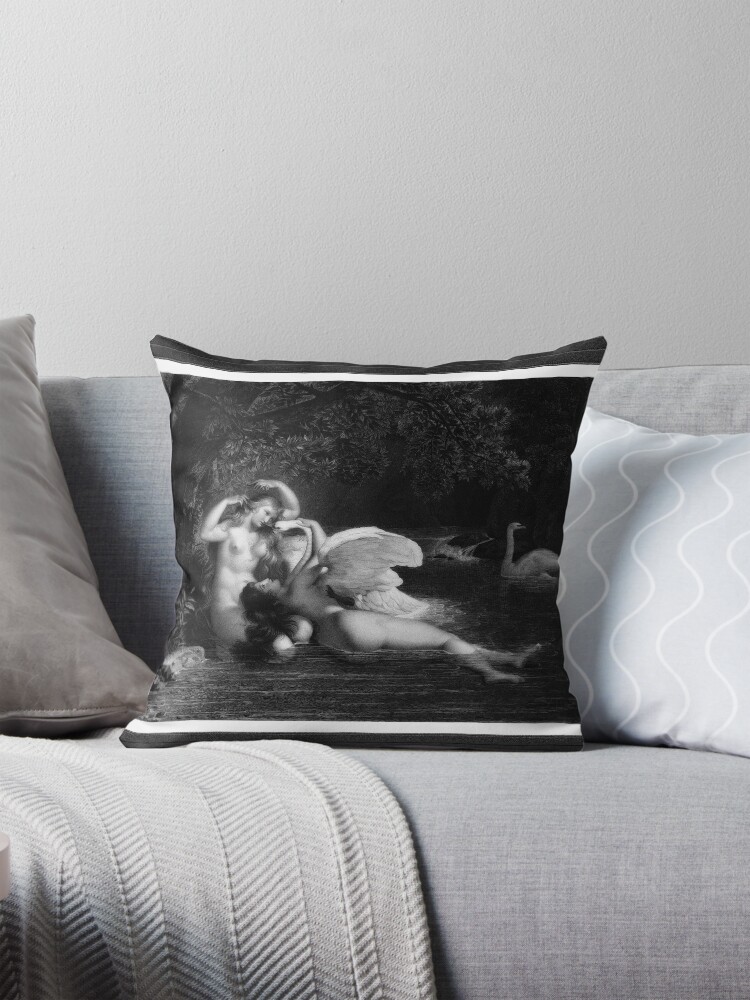
The painting depicts a lush, intimate scene set near the edge of a gently flowing river or lake. The terrain is wild and untamed, with dense foliage framing the composition. The nymphs, mythological beings often associated with water, appear as graceful and ethereal figures, their bodies glistening in the soft light that seems to emanate from the surrounding environment. The background is filled with dark trees, thick foliage, and a sense of deep, almost primeval wilderness, which emphasizes the natural harmony that the nymphs inhabit.
The water, which occupies a large portion of the lower part of the painting, reflects the nymphs’ figures in a tranquil, glass-like surface. The overall atmosphere evokes a sense of peacefulness, untouched by the harsh realities of the world outside.
The mood is one of intimate serenity, where the female forms exist in harmony with the environment, undisturbed by human interference. The surrounding landscape, marked by the cool and slightly somber tone of the greens and browns, contrasts the soft, luminous flesh of the nymphs, which draws the viewer’s eye toward the central figures.
The Nymphs and Their Interaction
En la malfono, two nymphs are the central figures in the painting. One nymph, with long flowing hair, reclines on the water’s surface, her delicate body partially submerged. Her pose suggests a sense of relaxation and vulnerability, elvokante la idealojn de beleco kaj graco kiuj estis altagrade rigarditaj en la Romantika periodo. Ŝi estas la fokuso, ĉirkaŭita de la harmonia ĉirkaŭaĵo de la naturo.
Ŝia mano milde ripozas sur la dorso de alia nimfo, kies formo, kun etenditaj flugiloj, ŝajnas esti eliranta el la akvo, kvazaŭ ŝi estus mita estaĵo aŭ dia estaĵo. Ĉi tiu nimfo, kies flugiloj ŝajnas brili en la milda lumo, spegulas la graciajn pozojn de klasikaj figuroj viditaj en malnovgreka kaj romia arto. La delikata apudmeto de la du nimfoj, unu en ripozo kaj la alia en dinamiko, preskaŭ alimonda pozo, kreas okulfrapan vidan ekvilibron.
La figuroj estas idealigitaj reprezentadoj de la ina formo, kun mola, glataj konturoj kaj mildaj kurboj. La kontrasto inter la fluanta, organikaj formoj de la nimfoj kaj la pli senmovaj, rooted elements of nature (la arboj, rocks, and water) highlights the delicate, transient beauty of the nymphs, positioning them as eternal, otherworldly beings who inhabit and are deeply connected to the natural world. The wings of the second nymph, glimmering with light, introduce an almost celestial quality, suggesting that these beings are not merely human but are infused with divine, mythological essence.
The Use of Light and Shadow
Desnoyers employs chiaroscuro, a technique that contrasts light and dark, to enhance the mood of the painting. La mola, radiant light illuminates the nymphs’ forms and creates a sense of ethereal beauty, while the surrounding shadows add depth and mystery to the scene. The light highlights the nymphs’ skin, giving them a porcelain-like appearance, almost glowing against the darker tones of the forest and water. This contrast between light and shadow not only emphasizes the nymphs’ bodies but also reflects the tension between the natural world and the supernatural qualities ascribed to these mythical beings.
The dark shadows in the background create a sense of depth, allowing the viewer to focus on the illuminated figures in the foreground. The delicate play of light across the nymphs’ forms adds to the sense of tranquility and magic, evoking a sense of timelessness and otherworldliness that is central to the Romantic movement. The light that dances on the surface of the water also suggests a dreamlike quality, as if the scene were a fleeting vision rather than a permanent reality.
The Style and Theme
La stilo de Nymphes au Bain radikas en la Romantika movado, kiu serĉis kapti intensajn emociojn, individuismo, kaj idealigita ligo al naturo. La pentraĵo estas sensuka, preskaŭ intima portretado de la nimfoj frapetas en la Romantikan fascinon kun mito, la sublima, kaj la potenco de naturo elvoki kaj belecon kaj teruron. La ina formo, farita kun delikata precizeco, reflektas la festadon de la movado de la homa korpo kiel ŝipo de beleco kaj dia potencialo. La uzo de lumo por akcenti la delikatajn trajtojn de la nimfoj kaj ilian ligon al la ĉirkaŭa pejzaĝo reflektas profundan respekton por kaj la homa formo kaj la kapablo de naturo inspiri timon..
Aldone, la nimfoj’ mitologia simboleco elvokas temojn de pureco, sensualeco, kaj la ligo inter la surtera kaj la dia. La flugiloj de unu nimfo pligrandigas la senton de transcendeco, sugestante ke tiuj figuroj ekzistas ekster la sfero de ordinara homa sperto, enkarnigante kaj naturan belecon kaj dian gracon. La milda, paca etoso de la peco kontrastas al la dramecaj kaj turbulaj temoj ofte viditaj en aliaj verkoj de la Romantika periodo, proponante anstataŭe trankvilon, serena vizio de la ligo inter la homa kaj la dia.
Konkludo
Nymphes au Bain de barono Auguste-Gaspard-Louis Desnoyers estas majstra miksaĵo de Romantikismo, mitologio, kaj natura beleco. Per sia uzo de lumo, ombro, kaj graciaj figuroj, Desnoyers kaptas la eteran, pasema naturo de la nimfoj ĉar ili ekzistas en perfekta harmonio kun sia medio. La serena humoro, kombinita kun la mitologia simboleco kaj la idealigita portretado de la ina formo, ofertas potencan reflektadon de Romantikaj idealoj kaj la kapablo de la artisto transcendi nuran realismon por esplori pli profunde., sentempaj veroj pri beleco, Naturo, kaj la dia.
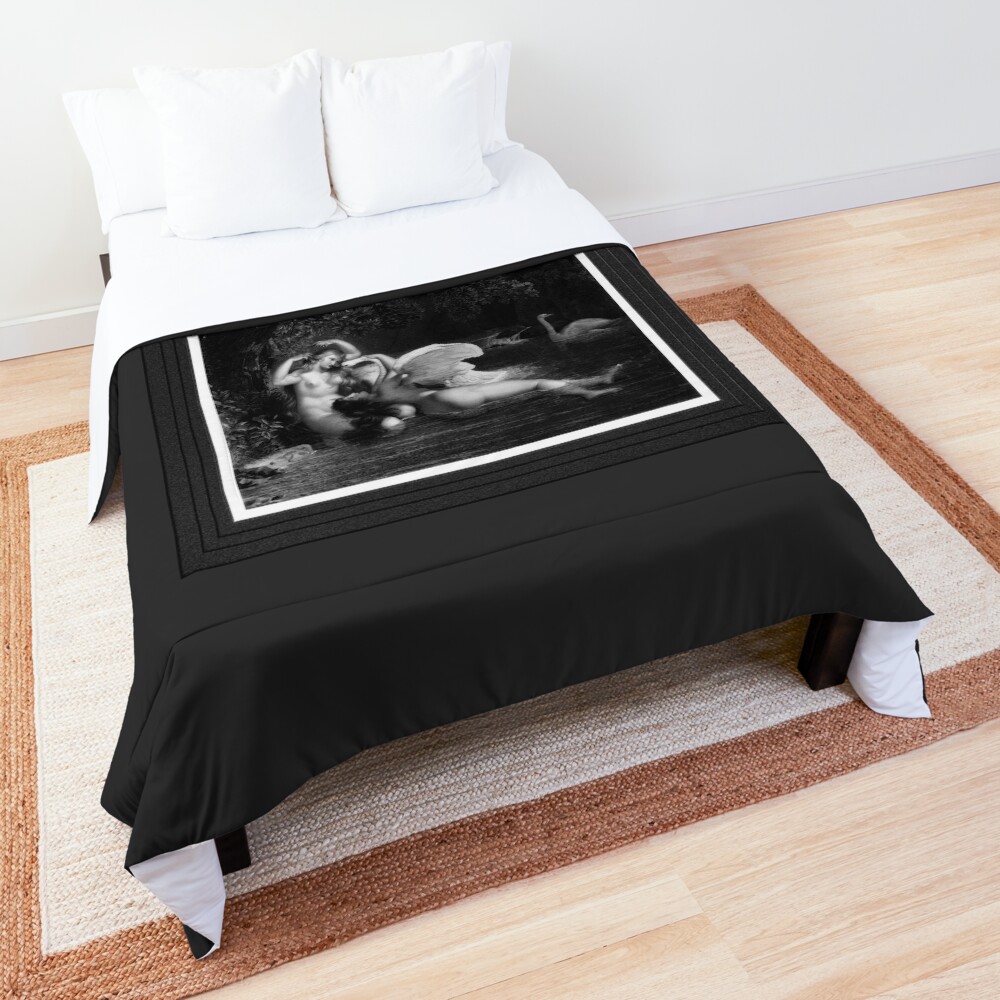
Ĉi tio estas readaptita cifereca arto malnova majstra reproduktaĵo de publika domajna bildo aĉetebla interrete kiel a ruliĝinta tolo presaĵo.