

Kąpiące się nimfy (Kąpiące się nimfy) c1830
Kąpiące się nimfy (Kąpiące się nimfy) pomalowane dookoła 1830 autorstwa znanego francuskiego artysty Baron Auguste-Gaspard-Louis Desnoyers, który działał na przełomie XVIII i XIX w. Desnoyers, kto urodził się w 1779 i zmarł w 1857, jest ceniony za umiejętność łączenia klasycznych tematów z wyrafinowanymi technikami artystycznymi.
To szczególne dzieło stanowi powrót do motywów mitologicznych i zmysłowych, odzwierciedla nacisk, jaki ruch romantyczny kładł na emocje, Natura, i piękno ludzkiej postaci. W Kąpiące się nimfy, Desnoyers schwytany w spokoju, a jednocześnie eteryczna scena nimf kąpiących się w spokojnej atmosferze, naturalne otoczenie. Ten obraz, jak wiele dzieł epoki romantyzmu, mówi o związku pomiędzy duchem ludzkim i boskim, ukazując wyidealizowaną wizję kobiecej formy i wdzięku natury.
Spis treści
The Scene and Setting
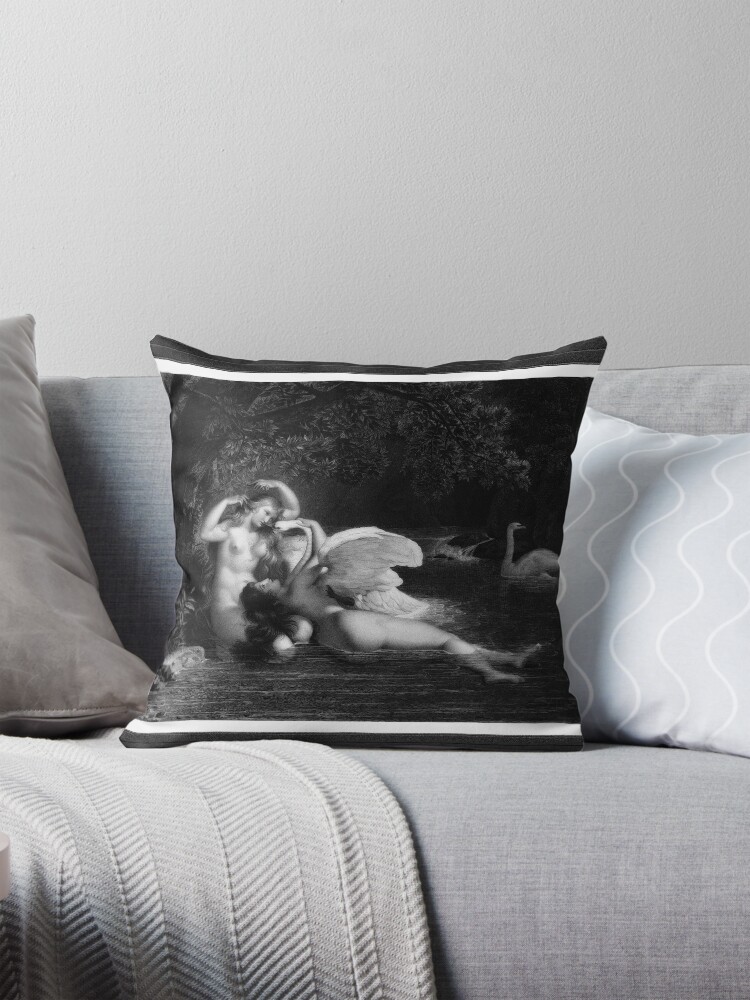
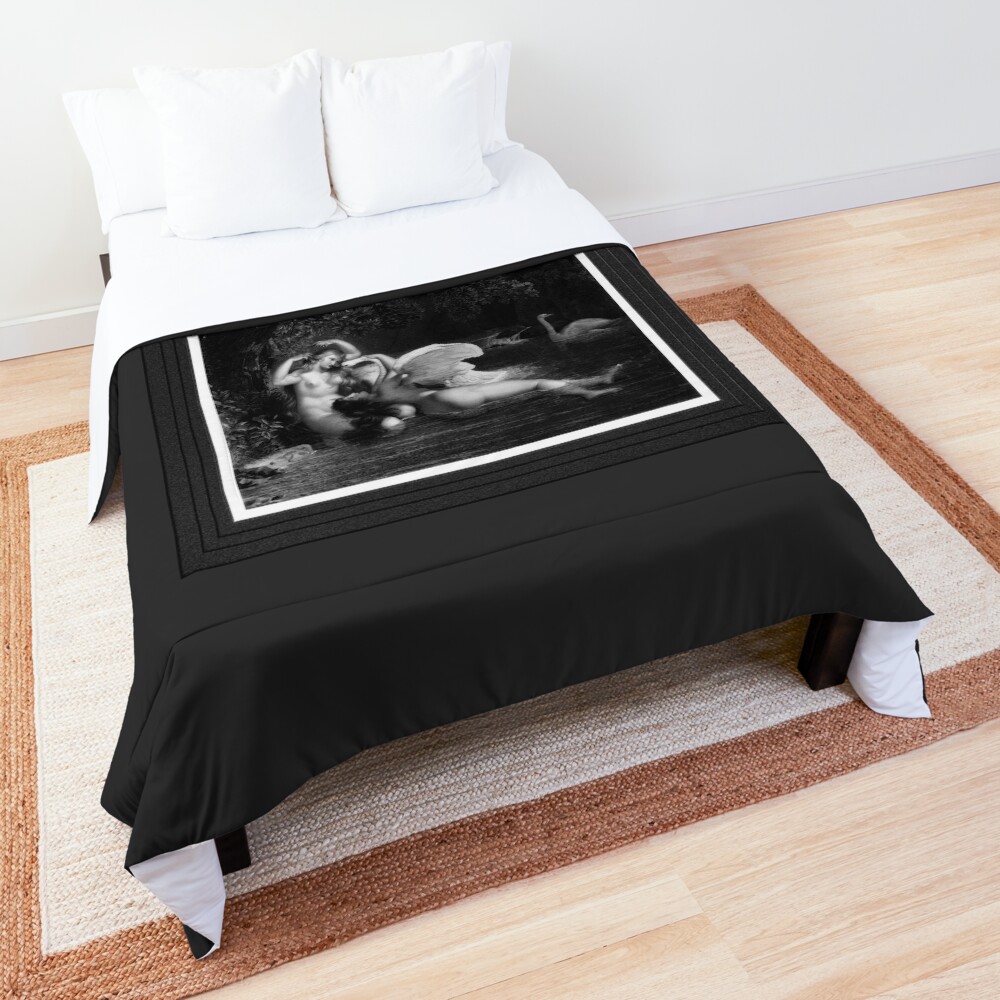
The painting depicts a lush, intimate scene set near the edge of a gently flowing river or lake. The terrain is wild and untamed, with dense foliage framing the composition. Nimfy, mythological beings often associated with water, appear as graceful and ethereal figures, their bodies glistening in the soft light that seems to emanate from the surrounding environment. The background is filled with dark trees, thick foliage, and a sense of deep, almost primeval wilderness, which emphasizes the natural harmony that the nymphs inhabit.
Woda, which occupies a large portion of the lower part of the painting, reflects the nymphs’ figures in a tranquil, glass-like surface. The overall atmosphere evokes a sense of peacefulness, untouched by the harsh realities of the world outside.
The mood is one of intimate serenity, where the female forms exist in harmony with the environment, undisturbed by human interference. The surrounding landscape, marked by the cool and slightly somber tone of the greens and browns, contrasts the soft, luminous flesh of the nymphs, which draws the viewer’s eye toward the central figures.
The Nymphs and Their Interaction
Na pierwszym planie, two nymphs are the central figures in the painting. One nymph, with long flowing hair, reclines on the water’s surface, her delicate body partially submerged. Her pose suggests a sense of relaxation and vulnerability, evoking the ideals of beauty and grace that were highly regarded in the Romantic period. She is the focal point, surrounded by the harmonious surroundings of nature.
Her hand gently rests on the back of another nymph, whose form, with extended wings, appears to be emerging from the water, as if she were a mythical creature or divine being. This nymph, whose wings seem to glisten in the soft light, mirrors the graceful poses of classical figures seen in ancient Greek and Roman art. The delicate juxtaposition of the two nymphs, one at rest and the other in a dynamic, almost otherworldly pose, creates a striking visual balance.
The figures are idealized representations of the female form, z miękkim, smooth contours and gentle curves. The contrast between the flowing, organic shapes of the nymphs and the more static, rooted elements of nature (the trees, skały, and water) highlights the delicate, transient beauty of the nymphs, positioning them as eternal, otherworldly beings who inhabit and are deeply connected to the natural world. The wings of the second nymph, glimmering with light, introduce an almost celestial quality, suggesting that these beings are not merely human but are infused with divine, mythological essence.
The Use of Light and Shadow
Desnoyers employs chiaroscuro, a technique that contrasts light and dark, to enhance the mood of the painting. Miękkie, radiant light illuminates the nymphs’ forms and creates a sense of ethereal beauty, while the surrounding shadows add depth and mystery to the scene. The light highlights the nymphs’ skóra, giving them a porcelain-like appearance, almost glowing against the darker tones of the forest and water. This contrast between light and shadow not only emphasizes the nymphs’ bodies but also reflects the tension between the natural world and the supernatural qualities ascribed to these mythical beings.
The dark shadows in the background create a sense of depth, allowing the viewer to focus on the illuminated figures in the foreground. The delicate play of light across the nymphs’ forms adds to the sense of tranquility and magic, evoking a sense of timelessness and otherworldliness that is central to the Romantic movement. The light that dances on the surface of the water also suggests a dreamlike quality, as if the scene were a fleeting vision rather than a permanent reality.
The Style and Theme
Styl Kąpiące się nimfy is rooted in the Romantic movement, which sought to capture intense emotions, indywidualizm, and an idealized connection to nature. The painting’s sensuous, almost intimate portrayal of the nymphs taps into the Romantic fascination with myth, wzniosłość, and the power of nature to evoke both beauty and terror. The female form, rendered with delicate precision, reflects the movement’s celebration of the human body as a vessel of beauty and divine potential. The use of light to accentuate the nymphs’ delicate features and their connection to the surrounding landscape reflects a deep reverence for both the human form and nature’s ability to inspire awe.
dodatkowo, the nymphs’ mythological symbolism evokes themes of purity, zmysłowość, and the link between the earthly and the divine. The wings of one nymph further amplify the sense of transcendence, suggesting that these figures exist outside the realm of ordinary human experience, embodying both natural beauty and divine grace. The gentle, peaceful mood of the piece contrasts with the dramatic and turbulent themes often seen in other works of the Romantic period, offering instead a calm, serene vision of the connection between the human and the divine.
Wniosek
Kąpiące się nimfy by Baron Auguste-Gaspard-Louis Desnoyers is a masterful blend of Romanticism, mitologia, i naturalne piękno. Through his use of light, cień, and graceful figures, Desnoyers captures the ethereal, fleeting nature of the nymphs as they exist in perfect harmony with their environment. Spokojny nastrój, combined with the mythological symbolism and the idealized portrayal of the female form, offers a powerful reflection of Romantic ideals and the artist’s ability to transcend mere realism to explore deeper, timeless truths about beauty, Natura, i boskie.
Jest to zremasterowana reprodukcja starych mistrzów sztuki cyfrowej obrazu domeny publicznej, która jest dostępna do zakupu online jako zrolowany obraz na płótnie.