

Nymfy a satyr
Nymfy a satyr: Studie klasické fantazie
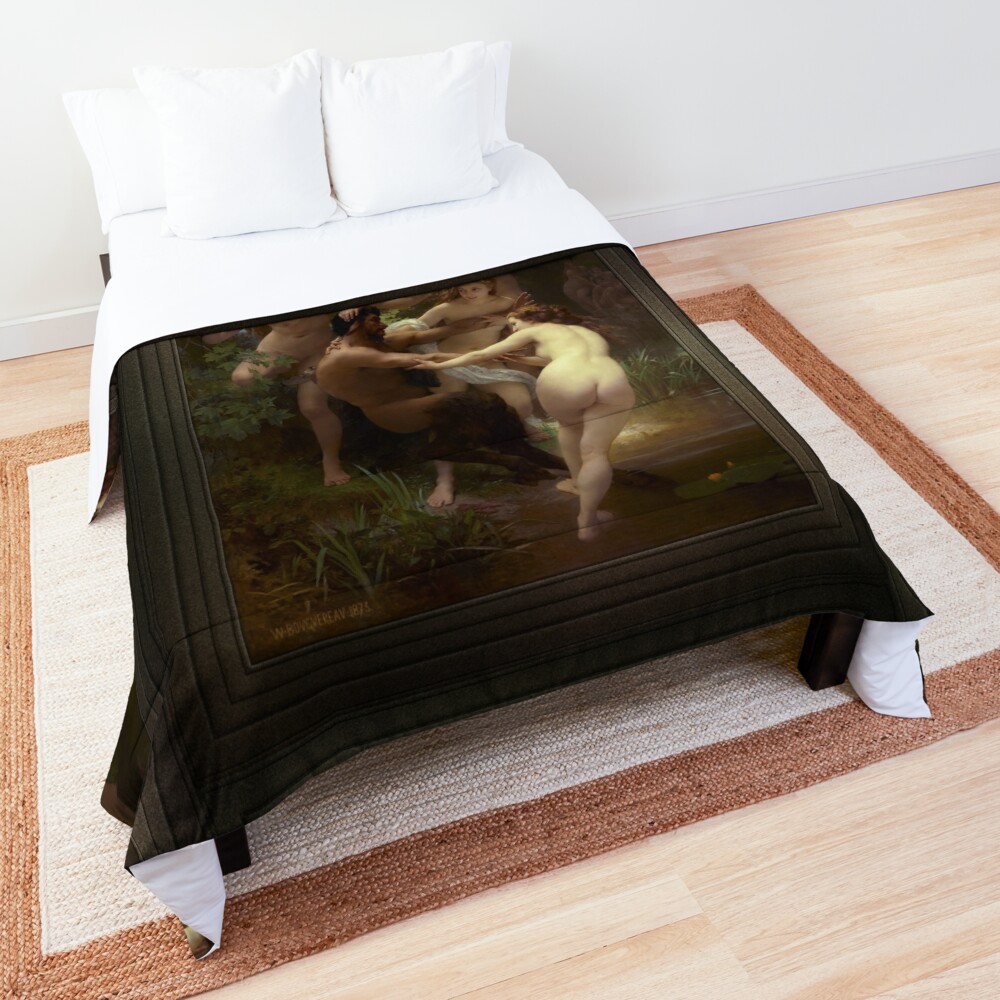
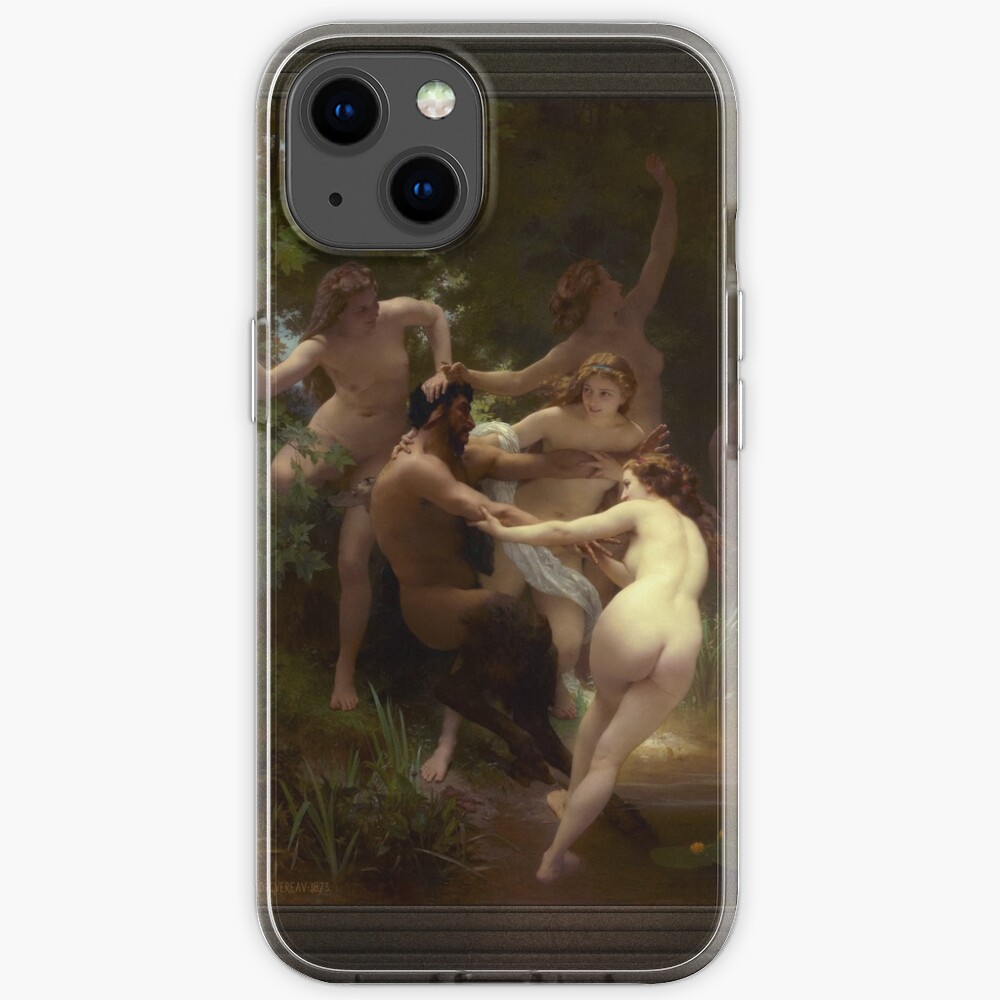
William-Adolphe Bouguereau „Nymfy a satyr,“ maloval kolem 1873, je příkladem umělcova oslavovaného akademického stylu a jeho fascinace mytologický předměty. Obraz zachycuje hravou scénu nymf, které hravě obklopují satyra v bujném lesním prostředí. Je to dílo, které ukazuje Bouguereauovo technické mistrovství – zejména jeho schopnost vykreslit tělové tóny a vytvořit atmosféru idylické krásy., a zároveň odráží širší umělecké trendy Francie 19. století, konkrétně oživení klasických témat a alegorických vyprávění.
Obsah
Složení struktury & Příběh
Kompozice je pečlivě strukturována kolem centrální postavy: satyr. Zaujímá spodní střed plátna, jeho tmavá kůže kontrastovala se světlejší pletí okolních nymf. Uspořádání není agresí nebo hrozbou; spíše, zprostředkovává pocit bezstarostného pronásledování a hravého zapletení.
Nymfy jsou umístěny v dynamické kruhové formaci kolem něj, jejich těla se propletla a jejich výrazy se pohybovaly od pobavení po jemné škádlení. To vytváří vizuální rytmus, který přitahuje oko diváka přes plátno, zdůraznění interakce mezi postavami. Pozadí je záměrně rozmazané, ustupující do hustého lesa zelenajícího se listí, která slouží k izolaci skupiny a soustředění pozornosti na centrální akci.
Čísla: Nymfy & satyr
Každá nymfa má odlišné rysy a postoje, přispívá k celkovému pocitu pohybu a vitality. Jejich těla jsou vykreslena s pečlivými detaily, předvádí Bouguereauovu dovednost v zobrazování lidské podoby. Nosí minimální oblečení – splývavé závěsy, které přilnou k jejich formám a zároveň odhalují obrysy jejich těla, společný znak akademických aktů v tomto období.
Jejich vlasy jsou volně uspořádané, kaskádovitě kolem ramen a přispívají k celkovému pocitu přirozenosti. Satyr, tvor z řecké mytologie představující divokou přírodu a radovánky, vyniká díky tmavšímu odstínu pleti a drsnějším rysům. Jeho postoj naznačuje překvapení a možná mírné nepohodlí, když se ocitne obklopený hravými nymfami. Je zobrazován s rohy a špičatýma ušima, charakteristické znaky jeho mytologické identity.
Paleta barev & Osvětlení
Bouguereauovo použití barev výrazně přispívá k atmosféře obrazu. V paletě dominují teplé zemité tóny – zelené, hnědé, a okry – které navozují pocit přirozené harmonie. Tóny kůže nymf jsou vykresleny s pozoruhodnou jemností, zachycující hru světla na jejich tělech. Měkký, rozptýlené světlo filtruje listy, osvětluje postavy shora a vytváří jemné stíny, které zvýrazňují jejich trojrozměrnost. Osvětlení není ostré ani dramatické; místo toho, přispívá k celkovému pocitu klidu a idylické krásy. Kontrast mezi tmavší kůží satyra a nymfami’ světlejší pleť dále zdůrazňuje vizuální dynamiku kompozice.
Umělecké vlivy & Styl
„Nymfy a satyr“ odráží Bouguereauův výcvik v akademické tradici, který kladl důraz na technickou zručnost, anatomická přesnost, a idealizovanou krásu. Jeho tvorba čerpá inspiraci z klasického sochařství a renesančního malířství, patrné v ladných pózách postav a harmonické kompozici.
Bouguereau byl zastáncem realismu, ale jeho obrazy nejsou pouze reprezentativní; mají prvek idealizace, který je povyšuje za pouhé zobrazení reality. Námět malby, mytologická scéna, byl také populární mezi umělci v tomto období, odrážející širší zájem o klasická témata a alegorické vyprávění. Bouguereauův styl je často spojován s akademickou tradicí, vyznačuje se důrazem na technickou zdatnost a idealizovanou krásu.
Technické provedení & Detail
Povrch malby odhaluje pečlivou práci štětcem, zvláště patrné ve ztvárnění tónů masa a listů. Bouguereau použil techniku vrstvení k postupnému vytváření barvy, vytváření jemných gradací a posílení pocitu realismu.
Detaily jsou vykresleny precizně – od jemných záhybů drapérie až po jednotlivé prameny vlasů, demonstruje Bouguereauovo mistrovství ve svém řemesle. Umělcova pozornost věnovaná detailům se rozšiřuje také na prvky pozadí; listí je zobrazeno s pozoruhodnou mírou naturalismu, vytváří přesvědčivý pocit hloubky a atmosféry.
Dědictví & Význam
„Nymfy a satyr“ zůstává jedním z nejslavnějších Bouguereauových děl, obdivován pro svou technickou brilantnost a zobrazení idylické krásy. Obraz je příkladem umělcovy schopnosti syntetizovat klasická témata se současnými uměleckými trendy, vytvořit dílo, které je nadčasové a zároveň reprezentující svou dobu. Stojí jako svědectví o Bouguereauově trvalém odkazu jako jednoho z předních akademických malířů své doby..
Umělec Bio zdvořilost Wikipedia.org
William-Adolphe Bouguereau se narodil v La Rochelle, Francie, na 30 listopad 1825, do rodiny obchodníků s vínem a olivovým olejem.[4] Syn Théodora Bouguereaua (narozený 1800) a Marie Bonninová (1804), známá jako Adeline, William byl vychován jako katolík. Měl staršího bratra, Alfréd, a mladší sestru, Marie (známá jako Hanna), která zemřela, když jí bylo sedm.
V roce se rodina přestěhovala do Saint-Martin-de-Ré 1832. V roce se narodil další sourozenec 1834, Koťátko. Ve věku 12, Bouguereau odešel do Mortagne, aby zůstal u svého strýce Eugèna, kněz a vyvinul lásku k přírodě, náboženství a literatura.
v 1839, byl poslán studovat kněžství na katolickou kolej v Pons. Zde ho naučil kreslit a malovat Louis Sage, který studoval pod Ingresem. Bouguereau neochotně opustil studia, aby se vrátil ke své rodině, nyní bydlí v Bordeaux.
Tam potkal místního umělce, Charles Marionneau, a zahájena na Městské škole kreslení a malby v listopadu 1841. Bouguereau také pracoval jako prodavač, ruční kolorování litografií a vytváření malých maleb, které byly reprodukovány pomocí chromolitografie.
Brzy byl nejlepším žákem ve své třídě, a rozhodl se stát se umělcem v Paříži. Na financování stěhování, prodával portréty - 33 oleje za tři měsíce. Všechny byly nepodepsané a pouze jeden byl vysledován. Do Paříže dorazil ve věku 20 v březnu 1846.
Rovnost před smrtí (Rovnost před smrtí), 1848, olej na plátně, 141 × 269 cm (55.5 × 105.9 v), Muzeum Orsay, Paříž. Rovnost je Bouguereauův první velký obraz, produkoval po dvou letech na École des Beaux-Arts de Paris ve věku let 23.
Bouguereau se stal studentem na École des Beaux-Arts.[4] Aby si doplnil formální výcvik v kreslení, navštěvoval anatomické pitvy a studoval historické kostýmy a archeologii.
Byl přijat do ateliéru Françoise-Édouarda Picota, kde studoval malbu v akademickém stylu. Dante a Virgil v pekle (1850) byl raným příkladem jeho neoklasicistních děl.
Akademické malířství kladlo nejvyšší postavení na historická a mytologická témata, a Bouguereau odhodlaný vyhrát Prix de Rome, což by mu vyneslo tříleté sídlo ve Villa Medici v Římě, Itálie, kde kromě formálních lekcí mohl z první ruky studovat renesanční umělce a jejich mistrovská díla, stejně jako řečtina, etruské, a římské starožitnosti.
Nymphs and Satyr je retušovaná digitální umělecká reprodukce veřejného obrazu, kterou lze zakoupit jako tisk na plátno v rolích online.