

Emakumearen ekialdeko erretratua c1890
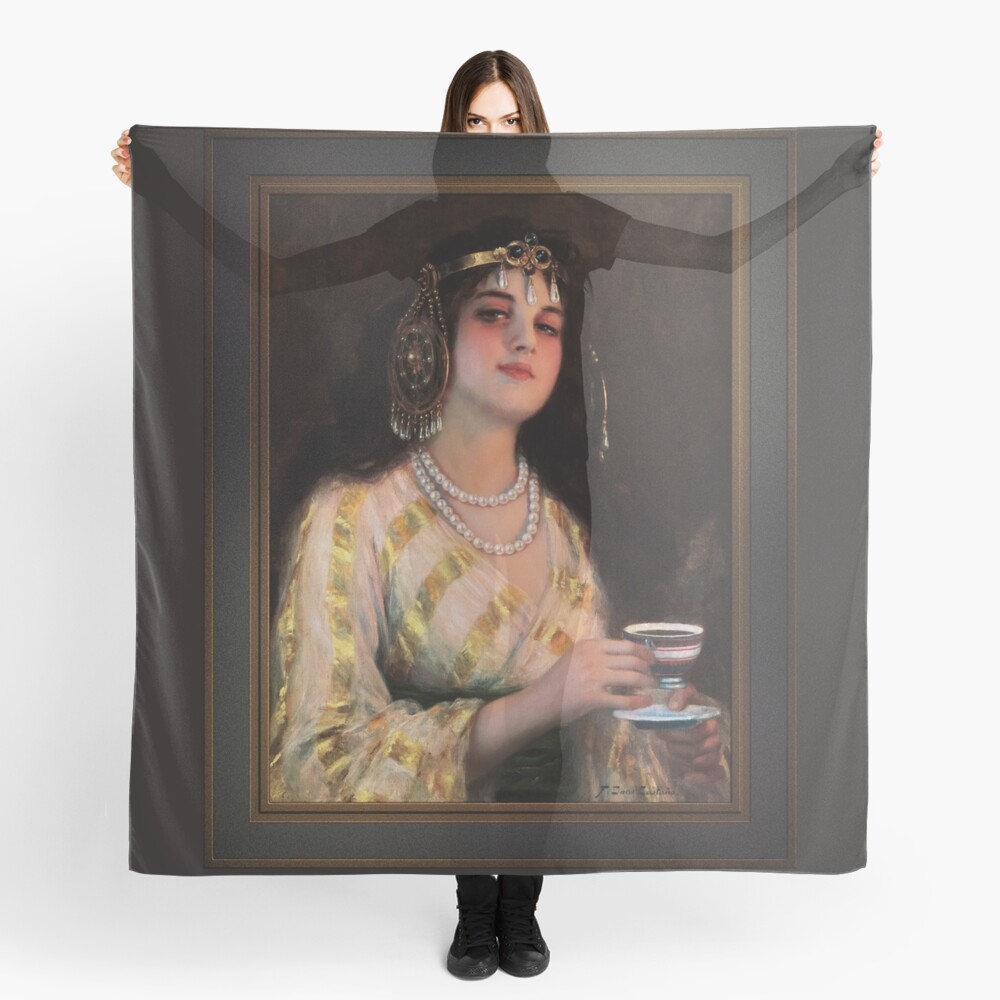
“Ekialdekoa Emakumearen erretratua,” inguruan sortua 1890 Francisco Sans Castaño margolari eta grabatzaile espainiarrak (1868–1937), Jantzi oparoekin jantzitako emakume baten irudikapen bikaina erakusten du, mende amaierako Ekialdearekiko lilura erakargarria jasoz. Gaztaina, bere eszena historiko eta generoengatik ezaguna den artista polifazetikoa, margolan hau luxuzko xehetasunei arreta jarriz erreproduzitu du, mistika eta fintasun zentzua pizten duena. Erretratuaren gaia emakume eder bat da, zeinaren begiradak konfiantza eta lasaitasuna dariona. Castañoren kolorearen erabilera, argia, eta testurak eszenaren dotoretasuna areagotzen du, oparotasun kultural eta estetikoz aberatsa den giroa sortzea.
Edukien taula
Gaia eta Osaera
The primary subject of the painting is a young woman dressed in a lavishly ornate costume that seems to reflect the exotic tastes and influences of the time. Bere luzea, dark hair is intricately styled and complemented by a headpiece adorned with jewels and hanging ornaments, which are highlighted by the soft glow of the light. The woman’s serene expression and slight, knowing smile suggest a persona of quiet strength, liraintasun, and dignity.
She holds a small vessel in one hand, delicately gripping the ornate cup as if lost in thought, beharbada, edukiak kontenplatzea edo, besterik gabe, bere jarrera lasaiaren parte gisa eustea. Ontzia, litekeena da urrutiko kultura bateko kopa tradizionala, eredu eta kolore finez apainduta dago. Objektu honek geruza kulturalaren zentzua gehitzen dio eta sakontasuna gehitzen dio konposizio sinple baina zorrotzari..
Bere janzkera, urrezko marradun luxuzko soinekoa, are gehiago azpimarratzen du gaiaren dotoreziaren zentralitatea. Bata, bere ehun finarekin eta urrezko xehetasun distiratsuekin, aberastasuna iradokitzen du, eta materialaren argi-joko sotilak sakontasuna eta ehundura gehitzen dizkio piezari. Margolanaren hondoak iluna izaten jarraitzen du, emakumea bera ardatz hartuta, bere figura atzealde ilunaren aurka nabarmentzen utziz. This contrast between the subject and her surroundings heightens the subject’s significance, directing all attention to her poised presence.
Estiloa eta Teknika
Castaño’s style in this portrait is rooted in realism, with a particular emphasis on texture and light. The artist uses soft brushwork to create a smooth, almost ethereal effect in the subject’s skin, especially on her face, where every detail—her soft lips, the gleam in her eyes, and the subtle shading on her cheekbones—adds a sense of life and vitality. The artist’s attention to detail is evident in the rendering of the woman’s jewels and the soft fabric of her gown, with the golden stripes on her dress shimmering with a realism that almost invites the viewer to touch them.
Erretratuan argiaren erabilera maisua da, bitxiak eta arroparen ehundurak nabarmentzen dituzten puntu nabarmenekin. Argiztapen honek kontrastea egiten du gaiaren inguruko itzal sakonekin, introspekzio lasai bat edo kontenplazio une bat iradokitzen duena. Iluna, atzealde ia bereiziak emakumea isolatzeko balio du, konposizioaren ardatz argigabe bihurtuz.
Castañoren teknikak pieza honetan XIX.mende amaierako erromantizismoa etaekiko lilura ere islatzen ditu. “exotikoak” gaiak. Ekialdeko edo Ekialdeko kulturen ikuspegi hori Europako artearen joera nagusi zen garai hartan, artista askorekin munduko eskualde urrunetako gaiak eta gaiak aztertzen. In “Emakumearen Ekialdeko Erretratua,” Castañok sotilki barneratzen du exotismo hori bere gaiaren aberastasunari eta sakontasun emozionalari uko egin gabe.
Aldartea eta Gaia
Margolanaren aldartea konfiantza lasaia eta dotorezia enigmatikokoa dela deskriba daiteke. Erretratuko emakumeak misterio zentzua dario, bere begirada urrunak eta hondo ilunak areagotua. Bere presentzian botere isil bat dago, distira eta pribilegiozko mundu batekoa balitz bezala, hala ere, hortik aldenduta jarraitzen du, introspekzio une batean galduta.
Margolanaren gaiak XIX. mendearen amaierako lilura islatzen du “Ekialde,” maiz erromantizizatu eta europar exotismoaren lentetik ikusten zena. Castañoren erretratua, hala ere, ez du emakumea modu estereotipatu edo fantastiko hutsean irudikatzen; horren ordez, bere banakotasuna eta fintasuna ospatzen ditu. Ikuspegi ñabardura honek emakumearen bizitza eta identitatea kontenplatzera gonbidatzen du ikuslea, figura exotiko gisa duen nozio soiletik harago. Jantzien aukeraketa, bitxiak, eta daraman kopak istorio bat kontatzen duela dirudi, emakumea kontakizun kultural zabalago baten parte izan daitekeela iradokiz, ikusleari begirada labur bat baino ez zaiona ematen.
Materialak eta Teknika
Erretratu honetan Castañok erabilitako materialen artean, ziurrenik, olio-pinturak daude, garai honetako artistentzat ohikoa zen bezala. Olioaren bitartekoak aberatsa ahalbidetzen du, kolore biziak eta argi maila leunak, erretratuari errealismo zentzua emanez. Artistak pinturaren aplikazio zorrotza, batez ere emakumearen bitxien errendazioan, bata, eta argi-jolas sotila bere azalean, eskulan maila altua erakusten du.
Margoaren ehundura bereziki nabarmena da emakumearen jantzian, non urrezko elementuek atzealdearen tonu ilunekin kontraste egiten duten fintasun batekin distira egiten dute. Pieza osoan zehar distiratsuak eta itzalak arretaz orkestratzen dira sakontasuna sortzeko eta ikuslearen arreta subjektuaren aurpegian eta eskuetan zentratzeko..
Bukaera
Francisco Sans Castañorena “Emakumearen Ekialdeko Erretratua” errealismoa nahasten duen obra maisua da, sakontasun emozionala, eta exotismoa liluratzen eta intriga egiten duen moduan. Xehetasunei arreta zorrotza eginez eta argiaren eta itzalaren erabileraren bitartez, Castañok gaiari bizia ematen dio, bere testuinguru historiko eta kulturala gainditzeko eta graziaren eta dotoreziaren betiko sinbolo bihurtzeko aukera emanez. Erretratu honek artistaren trebetasun teknikoa islatzeaz gain, Ekialdearen erakargarritasunaz obsesionatuta zegoen garai bateko aldartea ere jasotzen du., urruneko eta erakargarriko mundu bati begirada bat eskainiz, hala ere intimo gizatiarra.
Domeinu publikoko irudi baten erreprodukzioa da mihise inprimatua sarean.