

Portrait Of Anna Sten c1934
“Portrait Of Anna Sten c1934” is a remarkable piece by the celebrated Peruvian artist Alberto Vargas, known for his iconic pin-up art and portraiture. urtean jaioa 1896 eta sartu 1982, Vargas became synonymous with capturing the beauty and allure of women in his distinctive style. Artelan honetan, he masterfully illustrates his signature approach to portraiture, blending elegance with sensuality in an era defined by glamour and refinement. Pieza hau, sortua 1934, portrays the actress Anna Sten, an important figure in the early 20th century cinematic landscape.
Edukien taula
Main Subject and Style
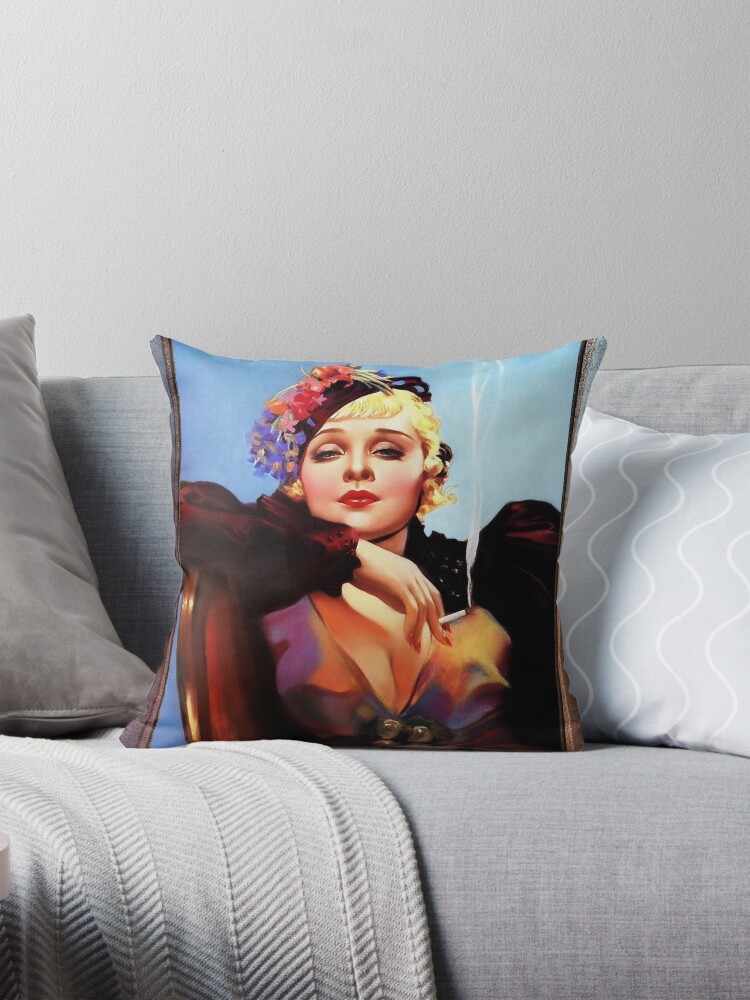
The subject of the portrait is Anna Sten, a Soviet-born actress who achieved some degree of fame in Hollywood during the 1930s. Sten’s portrayal in this artwork reflects the luxurious yet sensual style that Vargas is known for. She gazes at the viewer with a serene, almost enigmatic expression that suggests both confidence and quiet allure. Her posture is poised, yet there is an undeniable softness to her presence, emphasized by the gentle curve of her neck and the placement of her arm.
The style of the painting reflects Vargas’s reputation for depicting the human form with soft curves and radiant, glowing skin. There is a particular emphasis on the subject’s facial features – from her perfectly sculpted cheekbones to her delicate lips and piercing eyes. Vargas’ use of light and shadow is exceptional, creating depth and emphasizing the texture of her skin and hair. The softness of the colors contrasts with the sharper definition of her features, highlighting the artist’s keen eye for balance and detail.
The background of the painting is a soft, blended gradient of blues, a color choice that not only adds to the overall calmness of the image but also makes the figure of Sten stand out as the focal point. Vargas does not clutter the background with unnecessary details, allowing the viewer to fully focus on the subject’s beauty and elegance.
Objektuak eta materialak
Anna Sten is dressed in a sophisticated, deep burgundy gown that wraps around her shoulders in flowing fabric, which complements the color of her lips. The gown is subtly highlighted with a series of floral patterns, particularly at the collar area, which enhance the romantic and classic nature of the portrait. The sheer delicacy of the fabric is captured by Vargas with extraordinary finesse, with the light reflecting off it in a way that showcases the texture and softness of the material.
Bere eskuan, Sten holds a cigarette, the smoke trailing upwards in a faint wisp, further enhancing the mood of sophistication and elegance. The inclusion of the cigarette adds to the narrative of allure, subtly referencing the glamor of the 1930s film industry and the social norms of the time. Her other hand rests gently on the armrest of the chair, drawing attention to her nails, which are painted in a deep, vibrant red. This small yet significant detail conveys both attention to detail and an understanding of the subject’s social status — the polished nails hint at the high society to which Anna Sten belonged.
The smoke curling from the cigarette adds an ethereal, almost surreal element to the portrait, guiding the viewer’s eye upward, creating a dynamic contrast to the otherwise static, composed figure of the actress. This element adds to the overall fluidity of the composition, allowing the piece to breathe and remain lively despite its formal nature.
Terrain and Surroundings
The terrain in “Portrait of Anna Sten” is minimal, with Vargas choosing to focus entirely on the subject herself rather than the environment. The portrait does not present a traditional setting, such as a lavish interior or outdoor landscape. Horren ordez, the scene is stripped of superfluous elements, with Sten placed in a neutral space where her presence alone is the defining characteristic.
The chair upon which she rests appears to be of rich wood, though it is not overly detailed. Its presence is understated, serving primarily to provide the necessary support for the subject without distracting from the portrait’s main theme. The rest of the space around Sten is left to the viewer’s imagination, the abstract use of color in the background and soft lighting giving the impression of an intimate, ia ametsezko giroa.
Gaia eta Aldartea
The theme of the painting is one of refined beauty and captivating grace, capturing a moment of calm yet compelling confidence. The mood is one of quiet contemplation and poise, evoking a sense of nostalgia for a time when Hollywood icons like Anna Sten were at the height of their fame. Vargas’s rendering of the subject is both intimate and grandiose, suggesting the duality of being a public figure — admired by many, yet always somewhat removed in their personal space.
The color palette of the portrait further reinforces this mood. The cool tones in the background are balanced by the warm hues of Sten’s skin and the vibrant reds of her lips and nails, creating a harmony between the figure and the environment. The smoothness of her skin is paired with the soft, almost dreamlike texture of the background, highlighting Vargas’s ability to capture not just the outward beauty of his subjects, but also their inner radiance.
There is an underlying sense of sophistication in the composition, with the actress portrayed not as an object of desire, but as a woman of power and elegance. The inclusion of the cigarette and the regal nature of the attire communicate an air of confidence, while the softness of her expression adds depth and complexity to her character.
Bukaera
Alberto Vargasena “Portrait of Anna Sten c1934” is a stunning example of portrait art that transcends simple representation, offering a glimpse into the refined elegance of a bygone era. The painting exudes a timeless quality, capturing the spirit of the 1930s with its glamorous yet understated style. Through his expert use of color, argia, eta konposizioa, Vargas has crafted an artwork that speaks not only to the subject’s outer beauty but also to the era’s cultural fascination with grace, sofistikazioa, and feminine power.
Portrait Of Anna Sten c1934 by Peruvian Artist Alberto Vargas (1896 – 1982); Neska-arte erakargarria eta dotorea eta pin-up artistaren generoaren ospetsuena zela uste da.
This is a portait of the beautiful blonde Ukranian born American actress Anna Sten (Anna Petrovna Fesak 1908 – 1993); in a pose from the pre-code era movie Nana, produced by Samuel Goldwyn.
Anna sitting in a high back chair resting her right arm on the back of the chair holding a lighted cigarette between her index and middle finger of her right hand.
She is wearing a wine red jacket (possibly a bolero jacket) and an evening dress with a large buckle sash that has 5 large metallic orbs.
On her head she is wearing a wine red hat that is adorned with blue, red and orange flowers; with the complete attire making her a picture of 1930s fashion elegance.
Portrait Of Anna Sten is a retouched digital art old masters reproduction of a public domain image.
Artistaren biografia
Beheko informazioa Wikipedia.org
Arequipan jaioa, Ere jokalari, Max T argazkilariaren semea zen. Miseria. Alberto Vargas Estatu Batuetara joan zen bizitzera 1916 Europan artea ikasi ondoren, Kutx, eta Geneva Lehen Mundu Gerraren aurretik.
Europan zegoen bitartean La Vie Parisienne aldizkari frantziarraren bila etorri zen, Raphael Kirchner-en estalki batekin, esan zuen lanean eragin handia izan zuen.
New Yorkeko bere karrera goiztiarrak artista gisa lan egin zuen Ziegfeld Follies eta Hollywoodeko estudio askorentzat. Ziegfeld-ek bere oliba tomas margotu zuen antzerkian, eta Vargas goiztiarrenetako bat zela pentsatu zuten.
Miseria’ Zinemaren lan ospetsu gehienak kartelerako izan ziren 1933 Nora Moran-en bekatua, horrek Zita Johann ia biluzik erakusten du etsipenaren posizioan. Kartela maiz egiten da inoiz egindako filmeko kartel handienetako bat.
1940ko hamarkadan oso nabarmendu zen Mundu Gerrako Iconic War-II aro Pin-Ups izenez ezagutzen den aldizkariko ikonikoen sortzailea “Vargas neskak.” -En artean 1940 eta 1946 Vargasek sortua 180 Aldizkariko margolanak.
Bigarren Mundu Gerrako hegazkin estatubatuar eta aliatu askoren sudurra artea inspiratu zen eta Esquire Pin-ups hauetatik egokitu zen, baita George Petty-renak ere, eta beste artista batzuk.