

Portrait Of Miss Dorothea Gwladys Tombs c1889
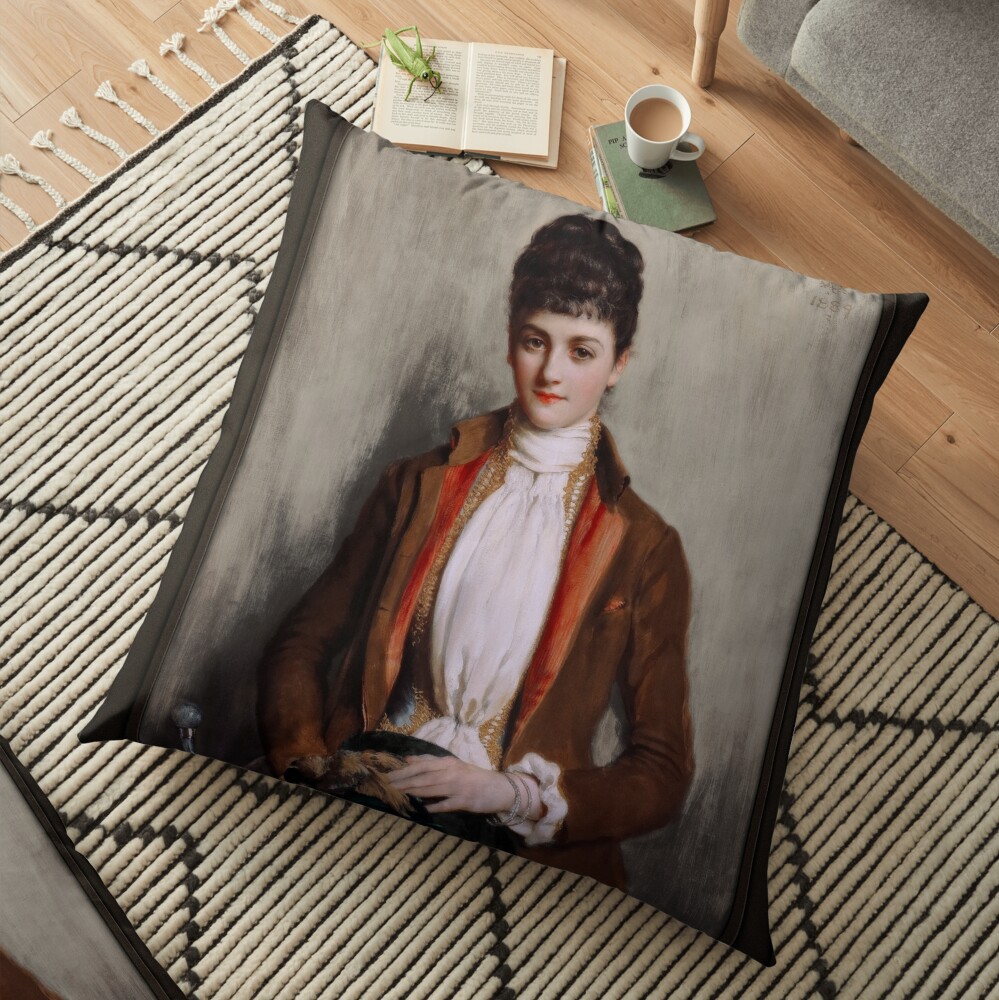
Il “Portrait Of Miss Dorothea Gwladys Tombs, Later Lady Butler,” creato in 1889 by British painter Archibald Stuart-Wortley (1849 – 1905), is a captivating example of late 19th-century portraiture. This work combines both realism and classic portraiture techniques, offering a glimpse into the fashionable and dignified elegance of the time. Il soggetto del dipinto, Dorothea Gwladys Tombs, is depicted with a regal and composed expression that reflects both her societal standing and personal character. This portrait is a study in both form and context, capturing a moment in time where fashion, arte, and the nuances of individual personality converge.
Sommario
Il soggetto
The central figure in the ritratto is Miss Dorothea Gwladys Tombs, who would later become Lady Butler, a testament to her elevated social position. She is dressed in the attire befitting a woman of high society during the Victorian era. Her posture is poised, with a serene expression that conveys grace and confidence. She is positioned slightly to the left of the composition, drawing the viewer’s eye directly to her. Her brown eyes, though soft and contemplative, are firm in their gaze, suggesting intelligence and self-assurance.
Dorothea’s dark brown hair is styled in an elegant updo, parted neatly and curled in the typical Victorian fashion. A few delicate tendrils fall gracefully beside her face, framing her features with gentle curves. The artist has skillfully highlighted the subtle texture and sheen of her hair, utilizzando pennellate sottili per esaltarne la profondità e il volume.
The Clothing and Accessories
Il suo abbigliamento è un altro punto focale chiave del ritratto, offrendo informazioni sulle tendenze della moda dell'epoca. Dorothea indossa una giacca marrone, su misura con squisita precisione per adattarsi al suo telaio, la ricchezza e la trama del tessuto quasi tangibili nella sua rappresentazione. La giacca è completata da una camicetta bianca a collo alto, assicurato da un delicato colletto di pizzo. La combinazione contrastante dei toni del marrone intenso e del bianco tenue crea un equilibrio armonioso all'interno della composizione. La giacca è rifinita con un bordo dorato decorato, che riflette sottilmente la luce e aggiunge un tocco di opulenza all'outfit complessivo.
Nelle sue mani, Dorothea tiene in mano un cappello nero ornato da un uccellino, forse un falco o un simile rapace. Il cappello, made of felt or a similar material, suggests her connection to the outdoors, and perhaps alludes to a personal interest or hobby. The bird perched delicately atop the hat may also symbolize a certain nobility or gentility associated with the aristocracy of the time. The presence of such an accessory lends a sense of individuality to the portrait, as it suggests that Dorothea was not only a woman of beauty and refinement but also someone with unique tastes and interests.
Lo sfondo e l'ambientazione
The background of the portrait is kept intentionally simple, with soft gray tones that create a sense of neutrality, allowing the subject to stand out. The muted backdrop serves to direct the viewer’s attention toward Dorothea herself, avoiding any distractions from the subject’s presence. The texture of the background is rougher and more abstract than the refined details of the figure, providing a striking contrast between the smooth, polished skin of Dorothea and the roughness of the surrounding space.
While the setting is ambiguous, there is an underlying sense of refinement that is carried through the composition. The choice of colors—neutral and subtle—speaks to the reserved nature of Victorian portraiture, where the focus remained on the individual, rather than the surroundings. The simplicity of the backdrop allows the viewer to focus on the sitter’s personality, abbigliamento, and poise.
Tecnica e stile
Stuart-Wortley employs a realistic style, emphasizing fine detail and the textures of his subject’s attire and surroundings. His technique showcases meticulous brushwork, particularly in the rendering of fabric and hair, giving the portrait a lifelike quality. The subtle play of light and shadow is particularly notable, as it reveals the texture of Dorothea’s skin and the fabric of her clothing with remarkable precision.
The artist’s attention to detail is not only evident in the rendering of textures but also in the way he captures the essence of his subject’s demeanor. The posture and expression of Dorothea reveal her social standing without the need for extravagant symbolism or overt opulence. The muted colors and composition underscore the elegance of the portrait, with each stroke contributing to the overall harmony of the piece. The contrast between Dorothea’s graceful figure and the simplicity of the background enhances the sense of nobility and refinement.
Tema e umore
The mood of the portrait is dignified, evoking a sense of respect and admiration for the subject. Dorothea’s calm, serene expression is indicative of her composure and social grace. The painting reflects the values of the late Victorian era, where societal expectations of women were rooted in decorum, eleganza, and restraint. The choice of subdued colors and the emphasis on the sitter’s poised demeanor reinforce the theme of aristocratic refinement.
The inclusion of the hat with the bird suggests a theme of balance between elegance and personal interests, highlighting the complexity of Dorothea as a person who embodies both social grace and individuality. L’atmosfera è di tranquilla fiducia, un riflesso dei ruoli sociali che le donne della classe di Dorothea avrebbero dovuto ricoprire, pur alludendo sottilmente al suo carattere personale e ai suoi interessi al di fuori degli occhi del pubblico.
Conclusione
Insomma, il “Portrait Of Miss Dorothea Gwladys Tombs, Later Lady Butler” di Archibald Stuart-Wortley è un magistrale esempio di ritrattistica britannica del XIX secolo. L'artista cattura non solo la somiglianza fisica del soggetto ma anche il suo carattere, Umore, e le aspettative della società del suo tempo. Attraverso un'attenta attenzione ai dettagli, composizione, e tecnica, Stuart-Wortley dà vita a Dorothea, raffigurandola con dignità e grazia. Il ritratto rimane una testimonianza sia dell’abilità dell’artista che degli ideali culturali del tardo periodo vittoriano.
Questa è una riproduzione di vecchi maestri di arte digitale rimasterizzata di un'immagine di dominio pubblico disponibile come stampa su tela online.