

Portret młodej piękności z ptakiem
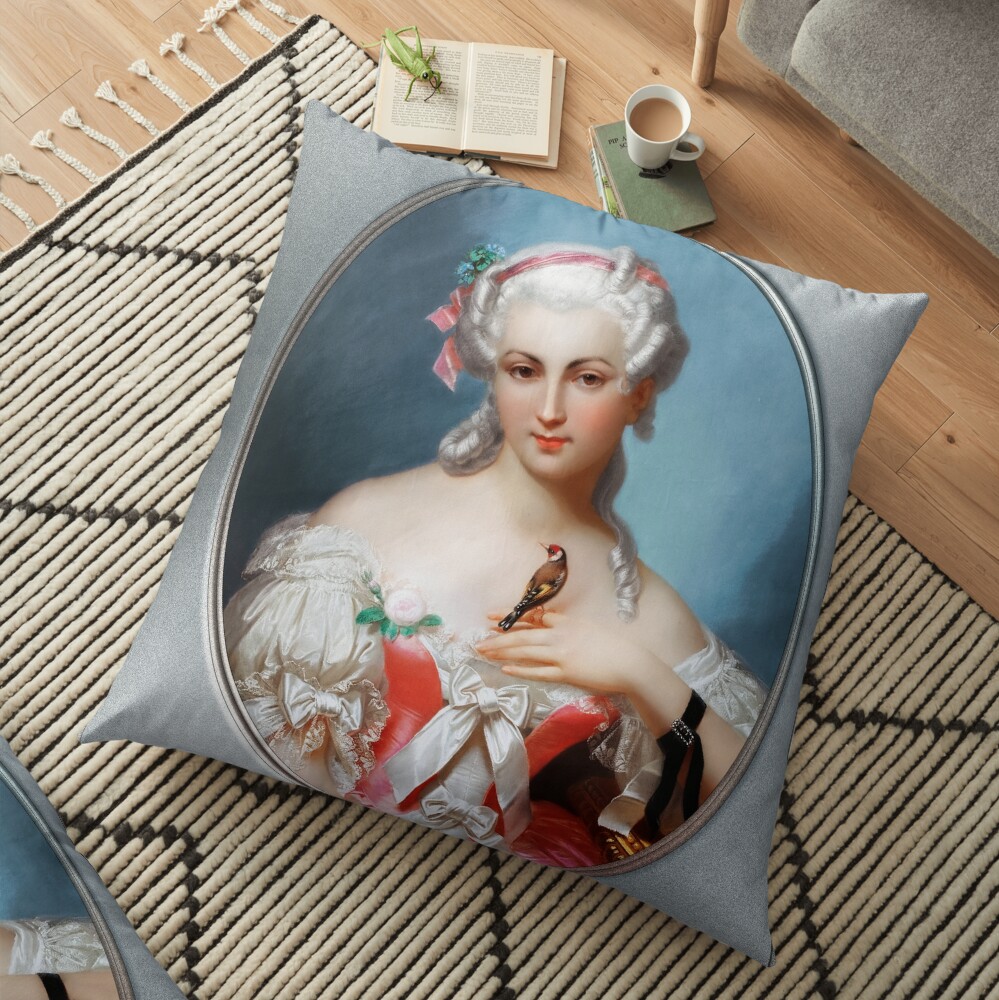
W tym przepięknym portrecie zatytułowanym Portret młodej piękności z ptakiem, autorstwa znanego francuskiego malarza Theodore'a Fantin-Latoura (1805 – 1872), zostajemy wprowadzeni w urzekający temat, który ucieleśnia elegancję i wyrafinowanie francuskiego stylu rokoko. Obraz jest świadectwem mistrzostwa Fantin-Latoura w uchwyceniu delikatnych emocji i wdzięku kobiecego piękna. Grafika, wykonany w połowie XIX w, przedstawia młodą kobietę w spokojnej i intymnej pozie, delikatnie trzymając ptaka na dłoni. To połączenie delikatnych elementów tworzy ponadczasowość, eteryczna reprezentacja kobiecej formy.
Spis treści
Przedmiot i kompozycja
Centralnym punktem portret to sama młoda kobieta, postać przepojona młodzieńczym pięknem i wdziękiem. Jej łagodny wyraz twarzy sugeruje chwilę spokojnej kontemplacji, jej delikatne rysy otoczone są objętością, pudrowane, białe włosy ułożone w wyszukany sposób z epoki. Kobieta ubrana jest w ozdobną suknię ze światła, jedwabna tkanina, ozdobiona misterną koronką i pastelowymi wstążkami, które podkreślają kruchość jej wyglądu. Umieszczenie ptaka delikatnie osadzonego na jej dłoni wzmacnia poczucie harmonii między fotografowaną osobą a światem przyrody.
Skład jest starannie zbilansowany. Tło przedstawia bladoniebieskie niebo, które subtelnie kontrastuje z żywymi kolorami stroju obiektu i ptaka. Kobieta jest ustawiona nieco poza środkiem, tworząc w swojej postawie atmosferę naturalności i płynności. Her right hand delicately supports the bird, an exquisite finch, which in itself serves as a symbol of lightness and grace. The gentle hand of the woman and the bird’s attentive gaze invite a sense of intimacy and peace.
Materiały i technika
Fantin-Latour’s technical prowess is evident in his treatment of light and texture. The softness of the skin, the subtle glow of the woman’s face, and the smoothness of her satin gown are all rendered with exceptional precision, showcasing the artist’s skill in capturing the tactile qualities of fabric and flesh. The painting’s use of oil on canvas allows for a depth of color that brings to life the soft blush on the woman’s cheeks, the sheen of the ribbons, and the intricate folds of her dress.
The lace on her gown is finely detailed, providing contrast with the smoothness of her skin and the gentle texture of her hair. Fantin-Latour utilizes a palette of soft pinks, upławy, and pastels that bring a luminous quality to the overall piece. The carefully chosen background color—a muted blue—serves to emphasize the purity and softness of the subject’s figure while providing a sense of space and tranquility.
The bird, rendered with careful attention to detail, is painted in a naturalistic manner, highlighting the contrast between its tiny, delicate form and the larger, more imposing presence of the woman. This juxtaposition enhances the mood of delicacy and calm, while also symbolizing the theme of nature’s harmony with human beauty.
Styl, Temat, i Nastrój
ten Portret młodej piękności z ptakiem Pasuje wprost w tradycji Rococo, a movement known for its emphasis on lightness, elegancja, and playful subject matter. Fantin-Latour, though working in the 19th century, captured the spirit of Rococo with an air of refinement and grace. Użycie przez artystę miękkiego, muted colors and delicate brushwork conveys a sense of opulence without the heaviness often associated with earlier Baroque styles.
The theme of the portrait seems to be one of purity, młodzież, and the fleeting nature of beauty. The bird is often a symbol of freedom and innocence, and its presence on the woman’s hand may suggest the fragility of life and the transient nature of beauty and youth. The calm, almost serene mood of the piece evokes feelings of nostalgia and tenderness, transporting the viewer to a world of elegance and grace where the natural world and human beauty are in perfect harmony.
The gentle expression of the woman, w połączeniu z delikatnym portretem jej otoczenia, sugeruje także nastrój introspekcji i spokojnej kontemplacji. Nie nawiązuje bezpośredniego kontaktu z widzem, raczej sprawia wrażenie, jakby znajdowała się w chwili prywatnej refleksji, dodając do dzieła warstwę głębi. Ogólny efekt to spokój, gdzie piękno i natura istnieją w ponadczasowości, stan harmonijny.
Wpływ artysty
Theodore Fantin-Latour pozostawał pod wpływem ruchu romantycznego, który starał się uchwycić emocjonalną istotę tematu, a nie czysto realistyczne przedstawienie. Na tym portrecie widoczna jest jego umiejętność tworzenia dzieł pełnych emocji i spokojnej intensywności. Precyzyjne użycie koloru i formy przez Fantina-Latoura pozwala widzowi poczuć więź z tematem, despite the passage of time that separates us from the world depicted in the painting. This ability to evoke emotion through visual means is one of the defining traits of his work and sets this piece apart as a delicate exploration of feminine beauty.
While this work might be characterized by its Rococo influences, it also bears the hallmark of the artist’s unique approach to portraiture. His understanding of light, tekstura, and human form allows him to imbue his subjects with a sense of realism that feels alive and personal, even in the context of historical tradition.
Wniosek
ten Portret młodej piękności z ptakiem by Theodore Fantin-Latour is a stunning example of 19th-century French portraiture, combining technical mastery with a deep emotional resonance. The subject’s delicate features, spokojny wyraz, i miękkie, harmonious colors of the composition create a timeless image of feminine beauty. The painting speaks to the viewer’s sense of nostalgia and appreciation for a more innocent and graceful era, where beauty and nature coexisted in perfect balance. Fantin-Latour’s ability to capture these fleeting moments, along with his attention to minute details, ensures that this artwork remains an enduring testament to his skill and artistry.
Portrait of Young Beauty with a Bird by French Painter Theodore Fantin-Latour (1805 – 1872); pastelowy portrecista.
Notatki graficzne
This portrait is assumed to be that of Princess Anne Henriette de France(1727 – 1752) the second daughter of King Louis XV of France and Maria Leszczyńska and the younger twin of Louise Élisabeth of France; ale w porównaniu do wszystkich innych obrazów tych sióstr, this does not seem possible possible.
Jest to zremasterowana cyfrowa reprodukcja starych mistrzów obrazu z domeny publicznej, która jest dostępna jako druk na płótnie online.
Biografia artysty
Theodore był pastelowym malarzem portretów i studiował w warsztacie francuskiego portrecisty Benjamina Rollanda (1777 – 1855), który był uczniem słynnego neoklasycznego malarza francuskiego Jacques’a-Louisa Davida (1748 – 1825) i uważany za najwybitniejszego malarza swojej epoki.
Pod wpływem Rollanda, Teodor opanował umiejętności malarskie, rysowanie i renderowanie formularzy; i regularnie wystawiał swoje prace w Salonie od 1842 do 1866.
Urodził się jego syn Henri Fantin-Latour 1836 był także znanym i cenionym malarzem martwych natur i portretów; a jego ojciec dał mu pierwsze lekcje sztuki w wieku dziesięciu lat, po uznaniu jego talentu plastycznego.