

Lesandi kona ~c1866
Málverk Ivan Kramskoi Lestur kona (c. ~1866) er blíð og innileg mynd af konu sinni, felur í sér kyrrðina, hugsandi augnablik sem svo oft komast hjá almenningi í listasögunni. Búið til á síðari hluta ævi Kramskoi, listaverkið undirstrikar leikni hans í að fanga tilfinningalega dýpt með notkun ljóss, áferð, og smáatriði. Kramskoi, fæddur í 1837 og gengur inn 1887, var frægur rússneskur málari, þekktur fyrir framlag sitt til rússnesku raunsæishreyfingarinnar og viðkvæmar kvenmyndir, oft að nota þær sem tákn um siðferðilega og vitsmunalega leit.
Efnisyfirlit
Viðfangsefni og samsetning
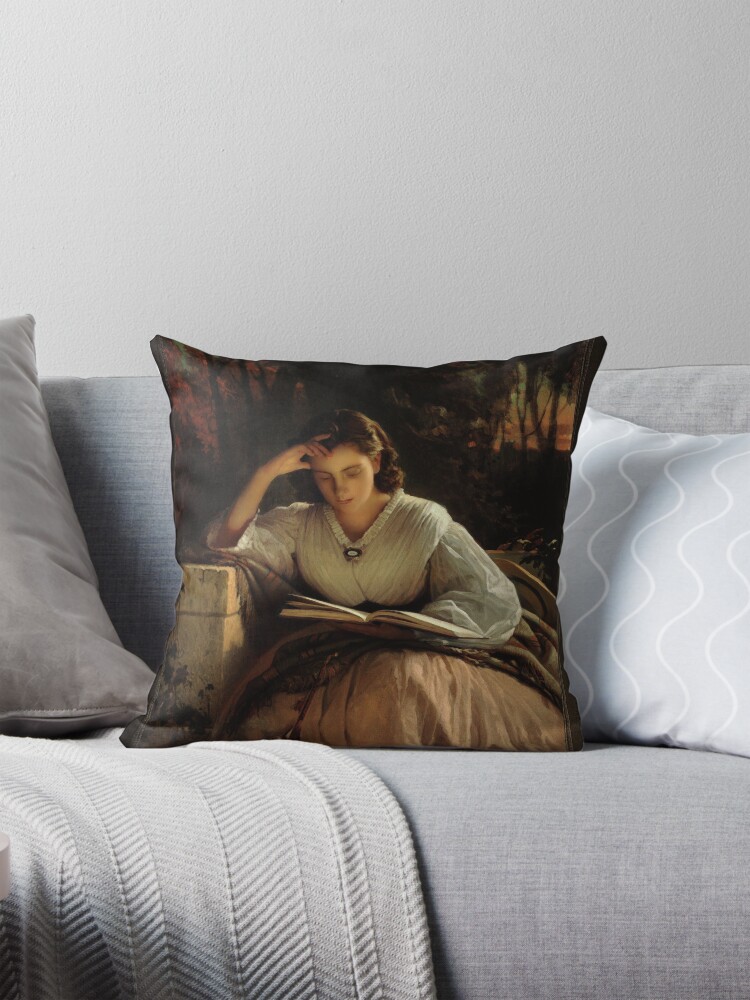
Aðalpersóna málverksins er ung kona, lýst djúpt á kafi í bók. Hún situr þægilega úti, hallaði sér örlítið fram með aðra höndina að enni hennar, eins og hún hugsi eða velti fyrir sér innihaldi lestrar hennar. Bókin, þó ekki miðpunkturinn, þjónar sem lúmskur hnúður til vitsmunalegrar þátttöku og persónulegrar íhugunar. Líkamsstaða konunnar gefur til kynna rólega sjálfsskoðun og einbeitingu, með áherslu á þema einveru og vitsmunalegrar leit sem þótti vænt um á 19. öld, sérstaklega af rússnesku gáfumannastéttinni.
Líkanið, almennt viðurkennd sem eiginkona Kramskoi, er lýst í rólegu æðruleysi einkarýmis hennar, umhverfi fjarri hinu opinbera. Hún er klædd í einfalt, glæsilegur hvítur kjóll, til marks um hógværð og virðingu, með djúpu hálsmáli sem gefur lúmskt vísbendingu um smart en þó hlédrægan viktorískan stíl. Efnið í kjólnum hennar rennur mjúklega yfir armpúðann, bendir til kyrrðar hennar og æðruleysis. Ljósgjafinn, líklega náttúrulegt sólarljós, lýsir upp andlit myndefnisins, undirstrika mjúka eiginleika hennar og unglega svip. Þetta mjúka ljós stuðlar að innilegu skapi málverksins, stingur upp á augnabliki frosið í tíma.
Umgjörð og umhverfi
Málverkið er sett í gróskumiklu útiumhverfi, hugsanlega garður eða afskekktur garður. Fyrir aftan sitjandi konu, landslagið er mjúklega óskýrt, fyllt með heitum hausttónum af rauðu og brúnu, brúnirnar mýktust til að búa til draumkenndan, næstum loftkennd bakgrunn. Þessi bakgrunnur, þó ekki mjög ítarlegt, bætir við skap viðfangsefnisins og undirstrikar rólega ró senu. Laufið í kring og dauft trjámerki bjóða upp á friðsælt og íhugunarlegt andrúmsloft, subtly drawing the viewer’s attention back to the subject, frekar en umhverfið.
Til vinstri, a stone structure or seat appears, possibly an architectural element of the garden. This feature serves not only as an anchor for the figure but also symbolizes a certain permanence and timelessness, as though the woman is a part of this natural world—grounded and enduring. The greenery that surrounds her suggests both natural beauty and a harmonious coexistence with the world around her.
Skap og þema
Stemningin á Lestur kona is one of quiet contemplation and intellectual solitude. There is an air of serenity and introspection, evoking a sense of deep thought and emotional reflection. The woman’s gaze is focused, her mind fully absorbed in the pages before her, á meðan stelling hennar gefur til kynna að þetta sé stund friðsamlegrar einveru frekar en virkrar þátttöku við umheiminn.
Val Kramskoi á konu sem viðfangsefni er í takt við víðtækari þemarannsóknir hans á innra lífi kvenna. Þema málverksins gæti gefið til kynna viðkvæmt jafnvægi milli ytri heimsins og innri spegilmyndar, bjóða upp á innsýn í einkalífið, vitsmunalegur heimur konu á 19. öld. Íhugulandi eðli málverksins talar til víðtækari þjóðfélagshugsjóna þess tíma, þar sem vitsmunaleg iðja var í auknum mæli viðurkennd sem dýrmætur hluti af hlutverki konunnar, þrátt fyrir þær skorður sem henni eru settar á opinberum vettvangi.
Tækni og stíll
Stíll Kramskoi einkennist af nákvæmni og nákvæmri athygli á smáatriðum, characteristics that are evident in Lestur kona. The artist uses light with great sensitivity, allowing it to both highlight and soften the subject’s features. The subtle interplay between light and shadow emphasizes the texture of the woman’s clothing, her facial features, and the depth of her emotions. Her delicate features are rendered with exquisite care, from the softness of her skin to the expression in her eyes, suggesting a depth of thought and a quiet beauty.
The artist’s use of color is restrained but impactful. The muted tones of the figure’s clothing contrast with the warmth of the surrounding landscape, subtly drawing attention to the subject without overpowering the natural beauty of the setting. The earth tones, such as the browns and reds in the background, create a harmonious atmosphere that ties the figure to the land and suggests a timelessness about the scene.
Kramskoi’s realism is apparent in his treatment of texture, Ljós, and shadow, but his approach is softened by the romantic undercurrent of his subjects. Bakgrunnurinn, rendered with softer brushstrokes, contrasts with the more sharply defined woman, drawing the viewer’s focus to her as the central figure. The result is a balanced composition, where the subject is the clear focal point, yet the surrounding environment is fully integrated into the narrative of the painting.
Niðurstaða
Lestur kona (Portrait of Artist’s Wife) by Ivan Kramskoi is a masterpiece of 19th-century Russian art that combines intimate portraiture with the intellectual themes of its time. Through the serene depiction of his wife, Kramskoi explores the intersection of private life, intellectual curiosity, og tilfinningalega dýpt. The painting offers a glimpse into the quiet, reflective moments of the subject’s life, underscoring the artist’s ability to render the subtle complexities of human emotion. Kramskoi’s skillful use of light, áferð, and color adds layers of depth to this otherwise simple scene, creating a powerful narrative that continues to resonate with viewers.
Lestur kona (Portrait of Artist’s Wife) by c~1866 by Russian Painter Ivan Kramskoi (1837 – 1887); og vitsmunalegur leiðtogi rússnesku lýðræðislistahreyfingarinnar (The Wanderers or The Itinerants in English: A group of Russian realist artists who formed an artists’ cooperative in protest of academic restrictions) frá 1860 – 1880
This is wonderful portrait of a young woman in a garden (which is the wife of the painter); as dusk approaches rest her right upper arm on the ledge of a large stone bench she is sitting on, that has vines on its front face; while she leans her forehead on the fingers of her right hand, with her head tilted slightly forward.
Her opened left hand rest on her lap on top of a light green shawl with red stripes that is also beneath her right upper arm on the stone ledge; supporting a large open book that she is reading in the dwindling sunlight as evening approaches.
She is wearing a white blouse with a ruffle collar and a pendant at the center of the v-neck line, as well as a dark colored sash around her waist and a large full length brown skirt.
On the front of the skirt there is an umbrella leaning against it and behind her is a wide brim straw hat with a dark band around the base; and some plants.
Í bakgrunni sjáum við tré með rauðum laufum sem og tré með grænum laufum og sitjandi sól þar sem blár himinn með skýjum breytist í appelsínugulan lit.
Þetta er endurgerð stafræn list af gömlum meistara eftirgerð af mynd í almenningseign sem er fáanleg sem strigaprentun á netinu.