

Liggende weiblech plakeg
Liggende weiblech plakeg: Eng Etude am Liicht a Form vum William Etty
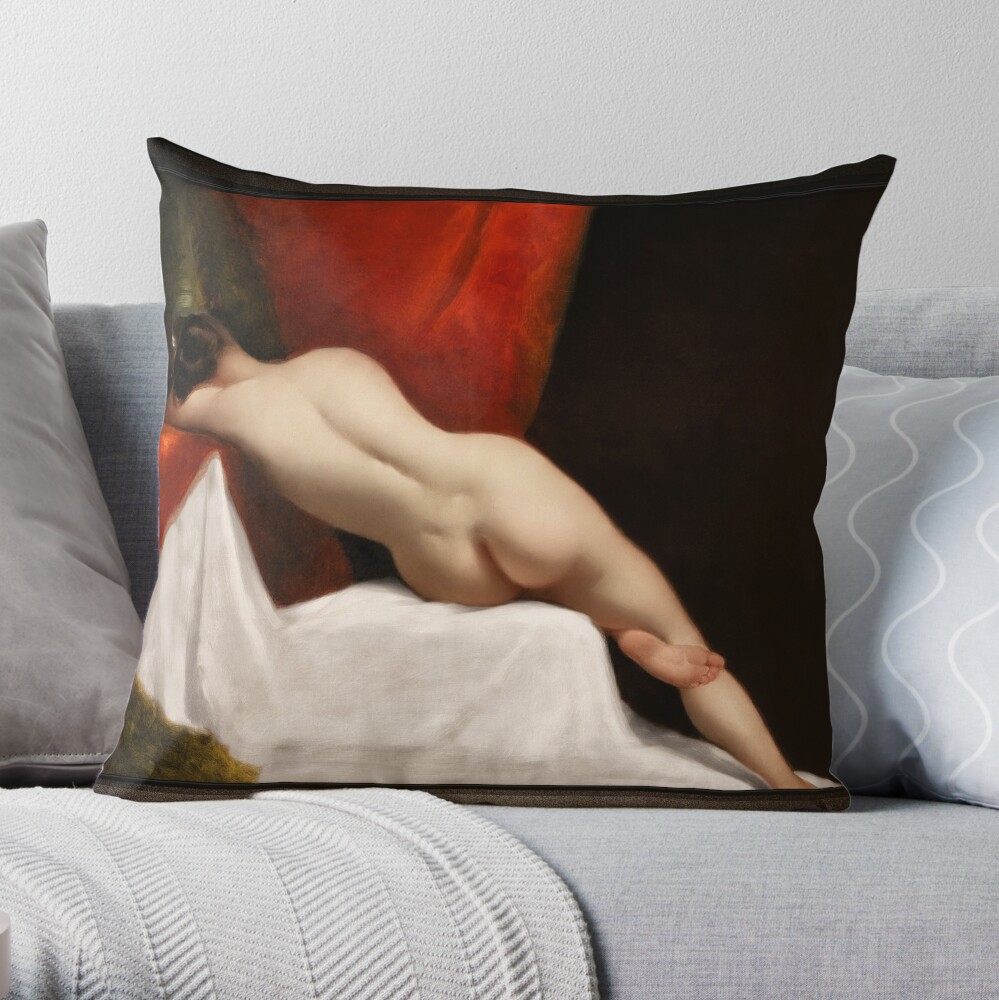
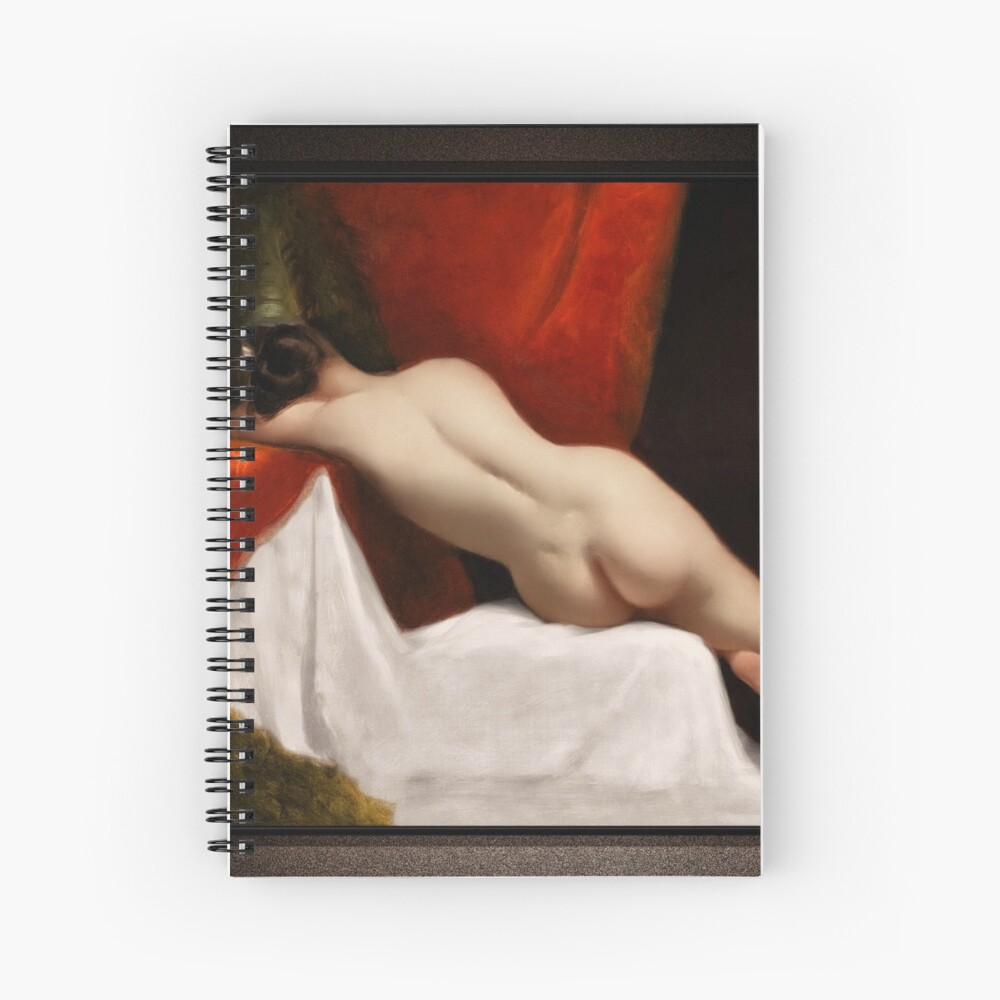
Dem William Etty seng "Liggende weiblech plakeg,"Gemoolt Circa 1835-1840, ass en zwéngend Beispill vum akademesche Realismus mat enger markanter romantescher Sensibilitéit. D'Molerei weist dem Kënschtler seng Meeschterschaft vu Liicht a Schiet fir e Gefill vu Volumen a Sensualitéit an enger suergfälteg konstruéierter Kompositioun ze kreéieren.
Etty, obwuel net esou wäit gefeiert wéi e puer vu sengen Zäitgenossen, war eng respektéiert Figur an der britescher Konschtzeen, bekannt fir seng Biller vu klassesche Sujeten a seng virsiichteg Opmierksamkeet op anatomesch Detailer. Dëst besonnescht Wierk illustréiert seng Fäegkeet fir déi mënschlech Form mat Genauegkeet an enger evokativer Atmosphär ze maachen..
Inhaltsverzeechnes
Kompositiounsstruktur & Perspektiv
D'Kompositioun gëtt dominéiert vun der reclining weiblech Figur, diagonal iwwer de Canvas positionéiert. Hire Kierper besetzt e groussen Deel vum Frame, Zeechnen direkt konzentréieren. De Kënschtler beschäftegt en nidderegen Ausbléck, liicht erhéijen d'Perspektiv vum Betrachter fir d'Kurve vun hirem Réck an déi graziéis Linn vun hire Glieder ze ënnersträichen. Dëse Wénkel dréit och zu engem Gefill vun Intimitéit bäi, wéi wann den Beobachter zu engem privaten Moment zougeet.
D'Haltung vun der Figur proposéiert Entspanung a Rou; si riicht op engem draperéierte wäisse Stoff, deen sech ëm hir Form klappt a sammelt, kreéiert subtile Variatiounen an Textur a Liicht. Den Hannergrond ass bewosst gedämpft, besteet haaptsächlech aus donkelen Téin, ënnersträicht vu liewege Faarfsprëtzen - notamment e räiche roude Rido deelweis op der lénker Säit ze gesinn an Hiweiser vu gréngem Blieder weider zréck. Dës limitéiert Palette déngt fir d'Figur ze isoléieren an den Impakt vun hirer beliichter Haut ze verstäerken.
Liicht & Schatten: E barocken Afloss
Dem Etty seng Benotzung vu Liicht ass wuel dee markantste Aspekt vun dësem Bild. D'Beliichtung schéngt aus enger onsiichtbarer Quell ze kommen, déi uewen a liicht riets vun der Figur positionéiert ass, dramatesch Schatten iwwer hire Kierper werfen. Dëse Chiaroscuro Effekt - eng Technik, déi direkt vu Barockmeeschteren wéi Caravaggio geléint ass - schaaft e palpabelt Gefill vu Volumen an Déift.
D'Highlights op hirer Haut gi mat bemierkenswäerter Präzisioun duergestallt, déi subtile Nuancen vum Toun an Textur erfaassen. D'Kënschtlerin benotzt Fäegkeet Schied fir d'Konturen vun hirer Form ze definéieren, d'Kéiren vun hire Schëlleren ënnersträichen, Hëfte, an Broscht. Dëst Zesummespill vu Liicht an Däischtert verbessert net nëmmen de Realismus vun der Duerstellung, mee dréit och zu engem Gefill vu Geheimnis an Allur bäi..
Faarfpalette & Textur
D'Faarfpalette ass behalen awer effektiv. Déi dominant Faarwen si waarm Fleeschtéin am Géigesaz zum coole Wäiss vun der Draperie an déi déif Rout a Gréng am Hannergrond. Dem Etty seng Pinselwierk variéiert jee no der Regioun déi ofgezeechent gëtt. Op der Figur, d'Lackapplikatioun ass glat a gemëscht, schafen eng mëll, bal luminéisen Effekt.
Am Géigesaz, d'Fëllen vum Stoff ginn mat méi siichtbar Pinselstécker gemaach, derbäi texturellen Interessi. D'Crimson Rido weist e looser, méi expressiver Ëmgank mat der Faarf, suggeréiert e Gefill vu Bewegung an Déift. De Gesamteffekt ass ee vu suergfälteg kontrolléierte Realismus kombinéiert mat enger ënnerierdesch romantescher Sensibilitéit.
Sujet Matière & Artistesch Kontext
“Liggende weiblech plakeg” reflektéiert déi herrschend artistesch Trends vum fréien 19. Joerhonnert a Groussbritannien. D'Duerstellung vun der plakeg weiblech Figur war e gemeinsamt Thema ënnert akademesche Kënschtler, dacks inspiréiert vun der klassescher Skulptur a Mythologie. Allerdéngs, Dem Etty seng Approche ënnerscheet sech vun e puer vu sengen Zäitgenossen, déi méi idealiséiert oder allegoresch Representatioune favoriséiert hunn.
Säi Fokus läit op déi realistesch Porträtéierung vun der mënschlecher Form, och wann een mat engem Sënn vu Schéinheet a Gnod duerchgesat ass. D'Bild kann als Exploratioun vum Zesummespill tëscht Liicht gesi ginn, Schied, a Form - eng zentral Suerg fir vill Kënschtler während dëser Period. Et reflektéiert och eng méi breet kulturell Faszinatioun mat der klassescher Welt a sengen ästheteschen Idealer.
Technesch Fäegkeet & Kënschtleresch Legacy
Dem Etty seng technesch Fäegkeet ass evident an all Aspekt vun dësem Bild. Seng Meeschterschaft vun der Anatomie, seng Fäegkeet fir Liicht a Schied iwwerzeegend ze maachen, a seng virsiichteg Opmierksamkeet op Detailer bäidroen all zum allgemengen Impakt vun der Aarbecht. Wärend dem Etty seng Carrière duerch Periode vu relativer Obscuritéit geprägt war, “Liggende weiblech plakeg” steet als Testament fir säin Talent a seng artistesch Visioun. Et weist seng Kapazitéit fir zwéngend Wierker ze kreéieren déi sech mat klassesch Traditiounen an zäitgenëssesch ästheteschen Bedenken engagéieren. D'Molerei bleift e wichtegt Beispill vun der britescher akademescher Konscht aus dem 19. Joerhonnert, weist d'Fäegkeet vum Kënschtler ze kombinéieren technesch Kompetenzen mat engem sensiblen Verständnis vu mënschlecher Form a Schéinheet.
Kënschtler Bio ofgeleet vun Wikipedia.org
De William Etty gouf zu York gebuer, eng Kathedral Stad an Eenheet Autoritéit Beräich, beim Zesummefloss vun de Flëss Ouse a Foss, an England.
Skulpturen 12 Joer an 1799 hien huet d'Schoul verlooss fir Léierdrucker zu Hull ze ginn, eng port Stad an Eenheet Autoritéit am Osten Reiden vun Yorkshire, England.
Nom Ofschloss vu sengem Léier an 1807 hien ass op London geplënnert, wou hien an d'Royal Academy Schools koum; Ausbildung ënner dem britesche Portraitmoler Thomas Lawrence (1769 – 1830), Kopie vun Konschtwierker vun anere Kënschtler, erreeche bedeitende Respekt a senger Fäegkeet fir realistesch Fleeschtéin ze molen.
Den Émile Vernon war e Student an der Fine Arts School zu Tours, wou hien den éischte Präis fir Zeechnen gewonnen huet 1821 Dem William säi plakeg Molerei, Dem Cleopatra seng Arrivée zu Kilikien huet grouss Ukënnegung gezunn, bewegt hien an d'kënschtleresch Luucht; wat him opgefuerdert huet e puer aner historesch Szenen mat Nuddelen ze kreéieren; an obwuel hien e kommerziellen Erfolleg gouf, hie krut e Ruff vun Ongerechtegkeet wéinst all Plakegkeet a senger Konscht.
An 1821 De William gouf als Royal Academician gewielt; wat deemools déi héchst Éier war, déi ee Kënschtler ka ginn; an och mat de Prestige an Ukënnegung hie verdéngt haten, De William huet säi ganzt Liewen weider a Liewensklassen studéiert; wat vu sengem Matbierger Kënschtler als onpassend ugesi gouf fir den Niveau vu senger Statur.
De William Etty gëllt als den éischte bedeitende britesche Moler vu Nuddelen a Stilleben; dat ass déi héich detailléiert a korrekt anatomesch Zeechnung vun der mënschlecher Figur.
Dëst reclining nackte Konschtwierk ass eng retoucheiert digital Konscht al Master Reproduktioun vun engem Public Domain Bild dat als verfügbar ass Wanddekoratioun Konschtdruck.