

Leżąca naga kobieta
Leżąca naga kobieta: A Study in Light and Form by William Etty
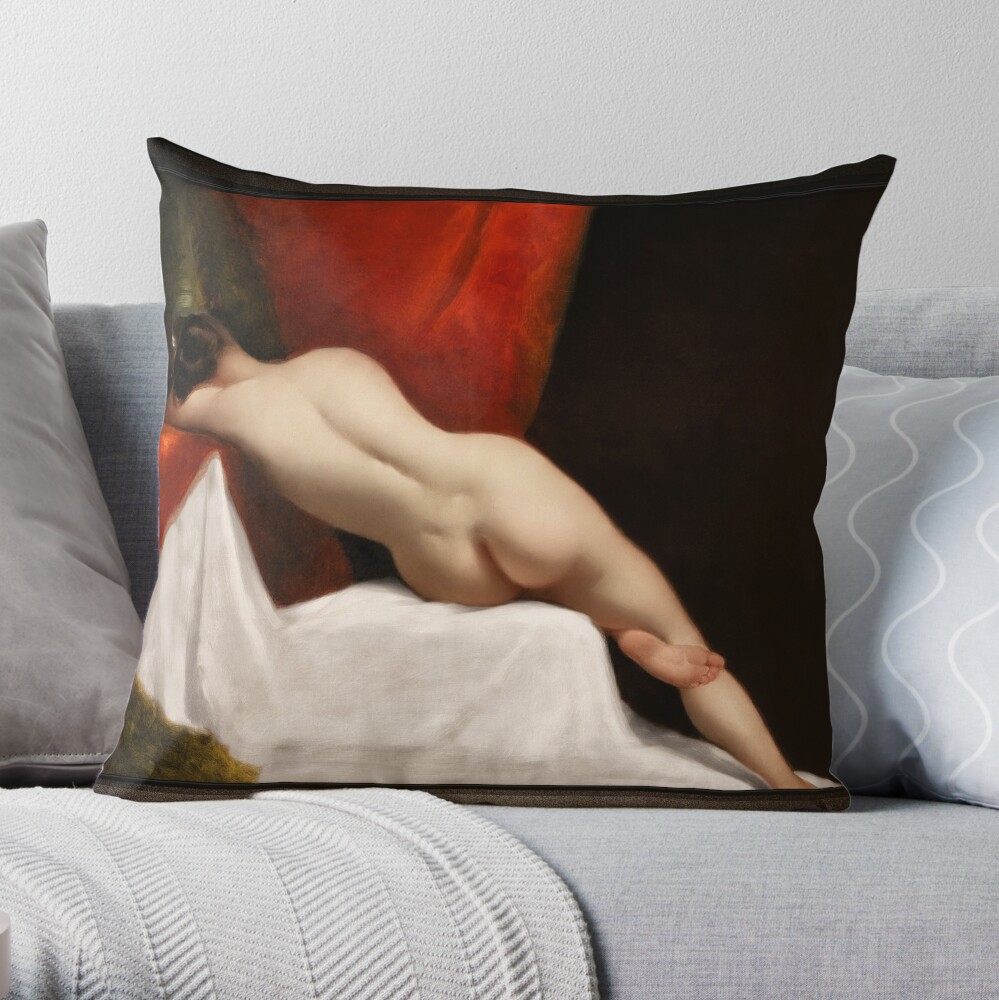
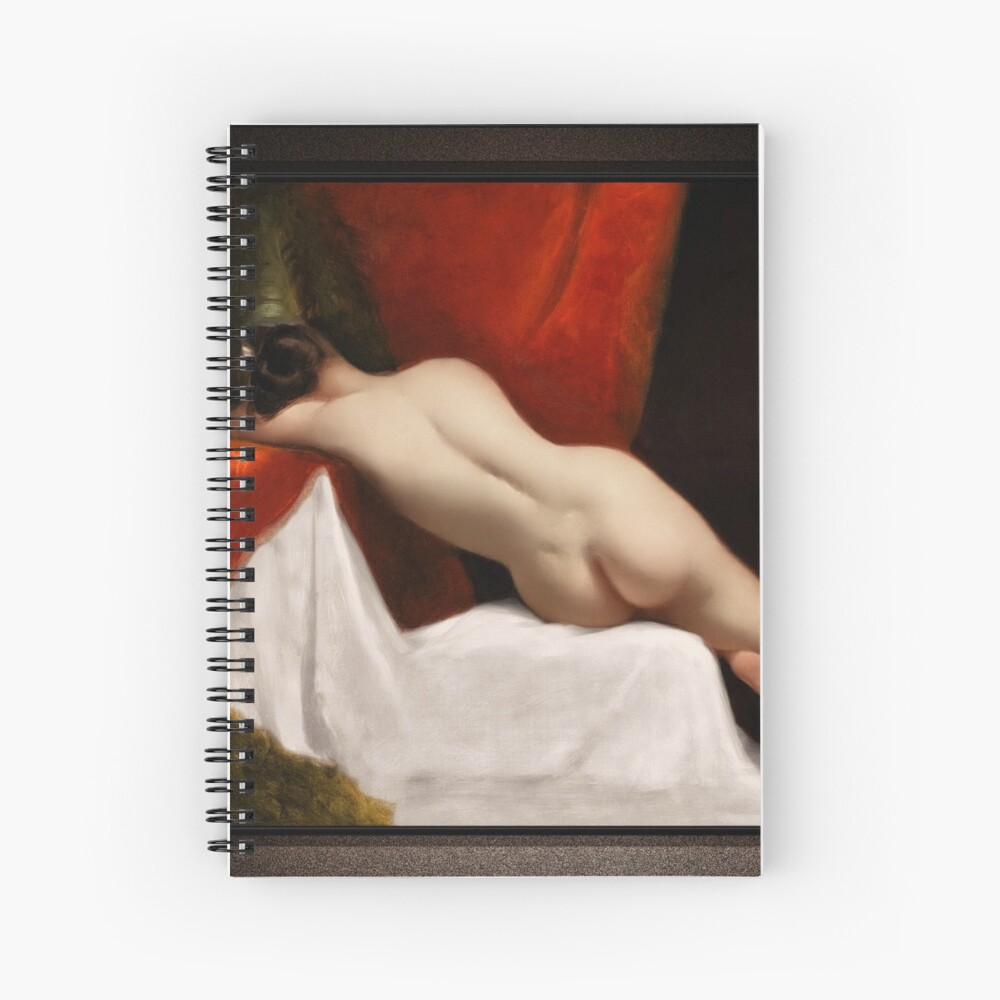
William Etty’s “Leżąca naga kobieta,” painted circa 1835-1840, is a compelling example of academic realism with a distinct Romantic sensibility. The painting showcases the artist’s mastery of light and shadow to create a sense of volume and sensuality within a carefully constructed composition.
Etty, though not as widely celebrated as some of his contemporaries, was a respected figure in the British art scene, known for his depictions of classical subjects and his meticulous attention to anatomical detail. This particular work exemplifies his skill in rendering the human form with both accuracy and an evocative atmosphere.
Spis treści
Struktura kompozycyjna & Perspektywiczny
The composition is dominated by the reclining female figure, positioned diagonally across the canvas. Her body occupies a significant portion of the frame, drawing immediate focus. The artist employs a low vantage point, slightly elevating the viewer’s perspective to emphasize the curve of her back and the graceful line of her limbs. This angle also contributes to a sense of intimacy, as if the observer is privy to a private moment.
The figure’s posture suggests relaxation and repose; she rests upon a draped white cloth that folds and gathers around her form, creating subtle variations in texture and light. The background is deliberately subdued, consisting primarily of dark tones punctuated by vibrant splashes of color – notably a rich crimson curtain partially visible on the left side and hints of green foliage further back. This limited palette serves to isolate the figure and intensify the impact of her illuminated skin.
Światło & Cień: A Baroque Influence
Etty’s use of light is arguably the most striking aspect of this painting. The illumination appears to emanate from an unseen source positioned above and slightly to the right of the figure, casting dramatic shadows across her body. This chiaroscuro effect – a technique borrowed directly from Baroque masters like Caravaggio – creates a palpable sense of volume and depth.
The highlights on her skin are rendered with remarkable precision, capturing the subtle nuances of tone and texture. The artist skillfully uses shadow to define the contours of her form, emphasizing the curves of her shoulders, hips, and breasts. This interplay of light and dark not only enhances the realism of the depiction but also contributes to a sense of mystery and allure.
Paleta kolorów & Tekstura
The color palette is restrained yet effective. The dominant colors are warm flesh tones contrasted against the cool white of the drapery and the deep reds and greens in the background. Etty’s brushwork varies depending on the area being depicted. On the figure, the paint application is smooth and blended, creating a soft, almost luminous effect.
W przeciwieństwie, the folds of the cloth are rendered with more visible brushstrokes, adding textural interest. The crimson curtain exhibits a looser, more expressive handling of the paint, suggesting a sense of movement and depth. The overall effect is one of carefully controlled realism combined with an underlying romantic sensibility.
Subject Matter & Artistic Context
“Leżąca naga kobieta” reflects the prevailing artistic trends of the early 19th century in Britain. The depiction of the nude female figure was a common subject among academic artists, often drawing inspiration from classical sculpture and mythology. jednak, Etty’s approach differs from some of his contemporaries who favored more idealized or allegorical representations.
His focus is on the realistic portrayal of the human form, albeit one imbued with a sense of beauty and grace. The painting can be seen as an exploration of the interplay between light, cień, and form – a central concern for many artists during this period. It also reflects a broader cultural fascination with the classical world and its aesthetic ideals.
Technical Skill & Artistic Legacy
Etty’s technical skill is evident in every aspect of this painting. His mastery of anatomy, his ability to render light and shadow convincingly, and his careful attention to detail all contribute to the overall impact of the work. While Etty’s career was marked by periods of relative obscurity, “Leżąca naga kobieta” stands as a testament to his talent and artistic vision. It demonstrates his capacity for creating compelling works that engage with both classical traditions and contemporary aesthetic concerns. The painting remains an important example of British academic art from the 19th century, showcasing the artist’s ability to combine technical proficiency with a sensitive understanding of human form and beauty.
Bio artysty pochodzące z Wikipedia.org
William Etty urodził się w Yorku, miasto katedralne i jednolity obszar władzy, u zbiegu rzek Ouse i Foss, w Anglii.
W wieku 12 lata w 1799 opuścił szkołę, aby zostać praktykantem-drukarzem w Hull, miasto portowe i jednolite władze w East Riding of Yorkshire, Anglia.
Po ukończeniu stażu w 1807 przeniósł się do Londynu, gdzie dołączył do szkół Royal Academy; szkolenie pod okiem brytyjskiego malarza portretowego Thomasa Lawrence'a (1769 – 1830), kopiowanie dzieł innego artysty, zyskał znaczny szacunek dzięki swojej zdolności do malowania realistycznych odcieni skóry.
Następnie w 1821 Aktowy obraz Williama, Przybycie Kleopatry do Cylicji spotkało się z wielkim uznaniem, umieszczając go w centrum uwagi artystycznej; co skłoniło go do stworzenia kilku innych scen historycznych z aktami; i chociaż odniósł komercyjny sukces, zyskał reputację nieprzyzwoitego powodu całej nagości w jego sztuce.
W 1821 William został wybrany na królewskiego akademika; co w tamtym czasie było najwyższym wyróżnieniem, jakie można było przyznać artyście; i nawet z prestiżem i uznaniem, jakie zdobył, William przez całe życie kontynuował naukę na lekcjach życia; co jego kolega artysta uznał za niewłaściwe ze względu na poziom jego wzrostu.
William Etty uważany jest za pierwszego znaczącego brytyjskiego malarza aktów i martwych natur; czyli bardzo szczegółowy i prawidłowy rysunek anatomiczny sylwetki ludzkiej.
Ta rozkładana naga grafika jest wyretuszowaną cyfrową reprodukcją starych mistrzów obrazu należącego do domeny publicznej, która jest dostępna jako druk artystyczny dekoracji ściennych.