

リップリンリズム
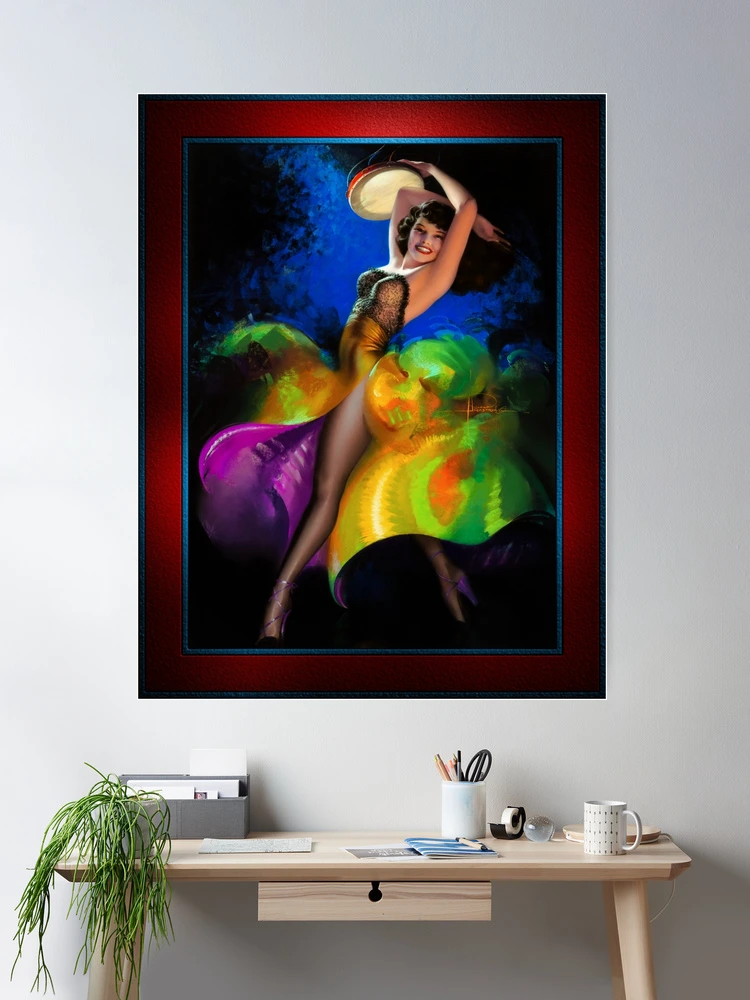
“Ripplin Rhythm,” created by the renowned American artist ロルフ・アームストロング (1889 – 1960), stands as a testament to the vibrant beauty of pin-up art during the mid-20th century. アームストロング, a prominent figure in the golden era of American commercial art, expertly merges movement, 色, and emotion within this piece, offering a glimpse into the glamour and sensuality that defined the era.
で生まれた 1889, Armstrong’s work was marked by a mastery of light and color, making his images highly sought after in advertisements, illustrations, そして美術. He utilized a unique blend of techniques that brought dynamism to his subjects, そして “Ripplin Rhythm” encapsulates this with its fluid and energetic portrayal of a woman in motion.
目次
主な主題: The Vibrant Dancer
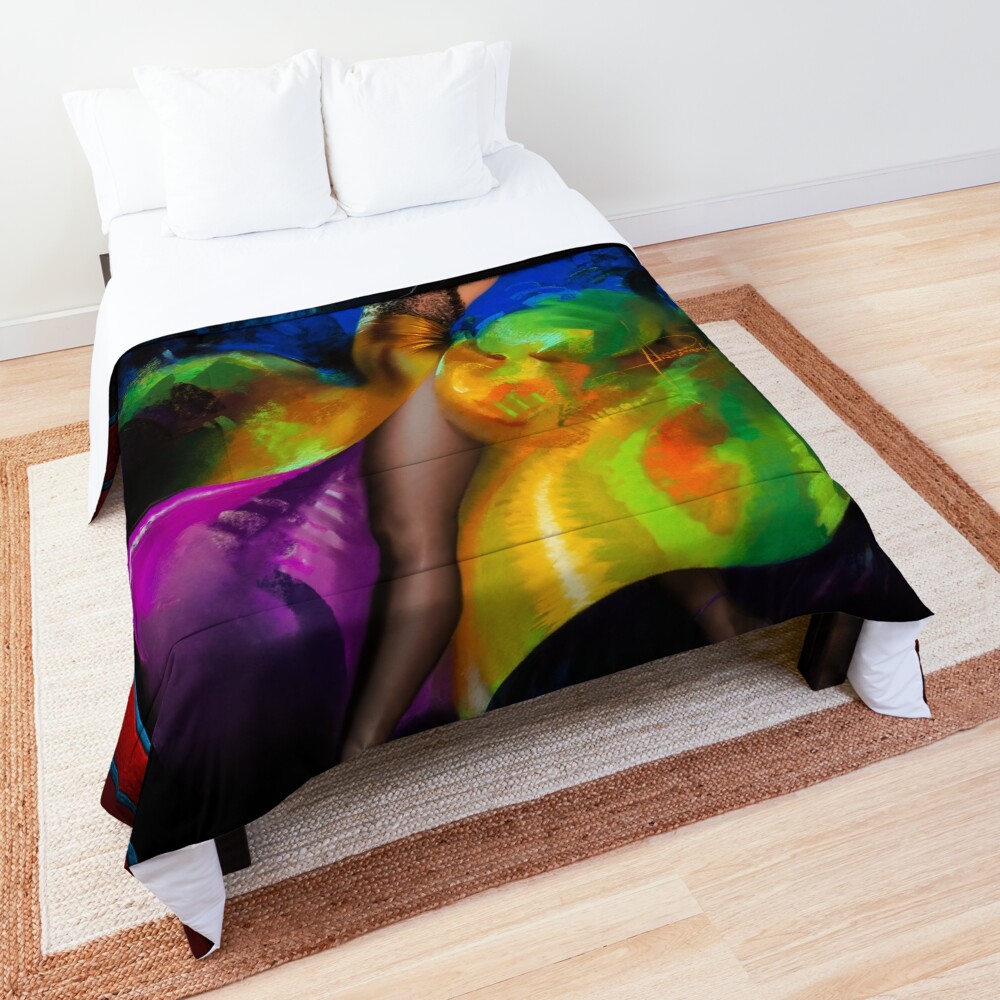
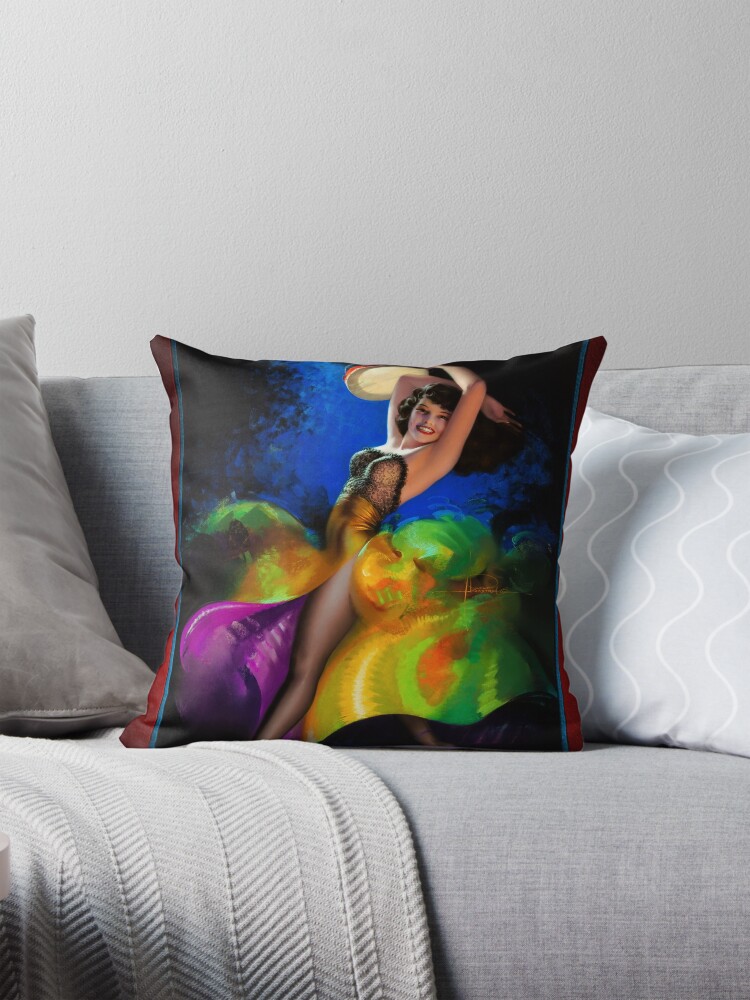
中心に “Ripplin Rhythm” is a captivating depiction of a dancer in mid-performance. 主題, a woman, exudes confidence and joy as she spins gracefully, her flowing dress rippling around her body like the waves of an ocean. The dancer’s attire is a burst of color, with swirling shades of green, 黄, and purple creating a striking contrast against the deep blue background.
The woman’s posture is elegant yet exuberant, her arms raised in a celebratory gesture as she holds a tambourine above her head. Her face radiates happiness, a wide smile revealing her playful spirit. Armstrong has captured not only her motion but also her essence, making her appear as though she is alive with energy and rhythm.
The woman’s vibrant costume, designed to reflect the rhythm of her movements, is a fusion of bold colors. The soft metallic sheen of her golden bodice catches the light, enhancing the dynamic flow of her skirt. Armstrong’s use of color in this piece is masterful, with each hue seemingly chosen to emphasize the woman’s graceful spinning and the lively atmosphere of her performance. スカート, which flares out around her like an explosive flower, ripples with energy, suggesting the dancer’s movement and the pulse of the music she is engaged with.
The Objects: Tambourine and Flowing Garments
The tambourine held by the dancer is a key object in the painting, not only because it symbolizes the musical rhythm she embodies but also because it ties the composition together. The tambourine’s small yet intricate form contrasts the large, swirling mass of the dancer’s gown, yet it maintains a presence that complements the overall movement within the scene.
The circular shape of the tambourine subtly mirrors the curves and flow of her garments, creating a visual harmony between the two. This object, while seemingly simple, amplifies the sense of rhythm and dance in the composition.
The cascading layers of the dancer’s gown are another vital aspect of the work. Armstrong’s skillful handling of fabric and texture brings the dress to life, with each fold and curve appearing as if it is caught mid-movement. ガウン, with its vibrant, rippling folds, seems to echo the fluidity of the dancer’s form. The luxurious colors and glossy textures of the skirt create a feeling of both elegance and freedom, enhancing the theme of lively celebration.
地形: The Colorful Background
の背景 “Ripplin Rhythm” is one of the key elements that contribute to the piece’s overall mood. A deep blue hue forms the backdrop, providing a striking contrast to the warm colors of the dancer’s attire. This color choice highlights the subject and makes her appear as if she is emerging from a dreamlike or fantastical environment.
Armstrong uses the swirling shapes and dark tones in the background to evoke movement and rhythm, as if the air itself is alive with the same energy that drives the dancer. The fluidity of the colors in the background suggests motion, blending with the dancer’s own movements, creating a seamless connection between subject and environment.
スタイル: Art Deco and Glamour
“Ripplin Rhythm” is a quintessential example of Armstrong’s signature style, which draws heavily from Art Deco influences. The streamlined elegance of the figure, the dynamic compositions, and the use of bold, contrasting colors all reflect the Art Deco movement, which was characterized by its celebration of modernity, 贅沢, そして魅力.
滑らか, graceful lines of the dancer’s body and the geometric shapes within the composition convey a sense of sophistication and energy that are central to the Art Deco aesthetic. 同時に, the work also embodies the exuberance and glamour of the pin-up style, which Armstrong helped define. His portrayal of women was not only sensual but celebratory, そして “Ripplin Rhythm” is a perfect example of this, as it captures a moment of joyous self-expression.
The dancer’s radiant smile and energetic pose speak to the optimistic and carefree mood of the era. Armstrong’s work is imbued with a sense of youthful vitality, and this painting exemplifies the vibrant energy of American culture during the 1940s. It reflects a time of confidence and joy, set against the backdrop of a world on the cusp of dramatic change.
テーマと雰囲気: Celebration of Movement and Music
のテーマ “Ripplin Rhythm” is centered around the celebration of movement, 音楽, そして女性らしさ. Armstrong captures the essence of dance as an expression of joy and liberation, highlighting the dynamism and beauty of the human form in motion.
The artist has skillfully conveyed the idea that rhythm is not just a sound but a force that can be seen and felt in the movements of the body. The dancer’s bright smile and the lively swirl of her dress communicate a sense of freedom, playfulness, and enthusiasm, making the painting feel like an invitation to partake in the celebration.
The overall mood of the artwork is one of joy and excitement. Armstrong’s use of color and form conveys a sense of lightness and exuberance, and the dancer herself appears to be in the midst of a joyous performance, lost in the music and her own movement. The piece encapsulates a spirit of happiness, optimism, and youthful vitality, evoking a time when life seemed to be filled with endless possibilities.
結論
“Ripplin Rhythm” by Rolf Armstrong is more than just a beautiful portrait of a woman in motion; it is a vibrant celebration of life, 色, and music. The dynamic composition, bold use of color, and joyful expression of the dancer all contribute to a sense of energy and rhythm that makes the painting come alive. Armstrong’s mastery of movement and his ability to capture the spirit of an era make this work a timeless example of American art. Through the use of elegant forms, flowing garments, and vibrant hues, Armstrong successfully conveys the joy of dance, the celebration of femininity, and the power of music to inspire movement and expression.
エンチャントレスは、パブリックドメインの画像のレタッチされたデジタルアートオールドマスターの複製です.
アーティストバイオから Wikipedia.org
ロルフ・アームストロングはベイシティでジョン・スコット・アームストロングとして生まれました, 4月のミシガン 21, 1889, リチャードとハリエットに (スコット) アームストロング. 彼の父はボーイライン消防艇会社を所有していました, 客船の列が含まれていました. 一部はシカゴ万国博覧会で使用するためにシカゴに配備されました 1893.
しかしながら, 父親のビジネスと家族は苦労していました, そして家族の家屋敷は差し押さえのために失われました. に 1899, 家族はデトロイトに引っ越しました, ミシガン. ロルフの父が死んだ 1903, そして1年後、彼と彼の母親はシアトルに引っ越しました, ワシントン, 長兄の足跡をたどる, ウィリアム, 1年前にそこに引っ越してきた人. 今では、ロルフの芸術的関心はパートタイムの喜び以上のものになりつつありました.
彼はシカゴに引っ越しました 1908, 彼は後にアートインスティテュートで学びました. それから彼はニューヨークに行きました, 彼はロバート・ヘンライに師事しました. パリへの旅行の後 1919 アカデミージュリアンで勉強する, 彼はニューヨークに戻り、スタジオを設立しました. に 1921 彼はブラウンでカレンダーの制作を勉強するためにミネアポリスに行きました & ビゲロウ.
1920年代と1930年代, 彼の作品は多くの楽譜に登場しました, 多くの雑誌の表紙だけでなく, PhotoplayやScreenlandなどの映画ファン雑誌で最も有名です. 彼の作品は主に女性で構成されています; メアリーピックフォード, ビーブ・ダニエルズ, とグレタガルボは彼が描いた多数のほんの一部です.
アームストロングのPictorialReviewでの仕事は、その雑誌が200万部以上の発行部数を達成した主な原因でした。 1926. 1年後, 彼はブラウンで最も売れたカレンダーアーティストでした & ビゲロウ. に 1930, RCAは、製品を宣伝するためのピンナップをペイントするために彼を雇いました, とで 1933 トーマスD. マーフィーカレンダーカンパニーは、彼らのラインのための一連の絵画を制作するために彼に署名しました.
3月 1940, ジュエルフラワー, ランバートンの女の子, ノースカロライナ州, アームストロングがニューヨーク・タイムズに掲載した広告に応えて、アームストロングに自分の写真を送った. アームストロング, 50 当時の, それ以来、マンハッタンの西67番街にあるHotel des Artistesに拠点を置いていました 1939, そして新しいモデルを探していました.
彼はフラワーズをインタビューに招待した. 行進に 25, 1940, 花はアームストロングのモデリングを開始しました. 彼らの専門的なコラボレーションと友情は20年間続きました. 最初の絵, タイトル “私はどうやって?”, 伝えられるところによると花, モデリングに使用されていません, アームストロングに繰り返し尋ねた “私はどうやって?” モデリングセッション中, 第二次世界大戦が始まった後に最初に出版されました.
ブラウンでした & Bigelowのベストセラーカレンダー 1942 同社がアメリカで何百万ものカレンダーを販売したとき, アームストロングの最も複製された写真の1つになりました. 第二次世界大戦中、花はアメリカの軍人に人気がありました, 結婚を提案する彼女の手紙を送った人もいました. アームストロングのカレンダーと花のシルエットは、ノーズ アートとして爆撃機や他の飛行機にコピーされ、戦車の砲塔に描かれました。.
彼女は戦争中にとても有名になった, 名前よりも有名な顔として, 軍人の手紙は単に次のように宛てられた “ジュエルフラワー, ニューヨーク市” 正しく配信された. 海外にいる多くのアメリカ軍人にとって, 彼女は代表した “戦う理由” 精神. 私たち. フランクリン・D大統領. ルーズベルトの政府は、戦争債の促進を助けるために彼女を雇いました.
1月 1, 1945 TIME誌の版にはアームストロングのものが含まれていました “街の乾杯” カレンダーアートの記事に花の絵が掲載されました. この記事では、 “女の子の絵” そうだった “ファウンドリーによって大量に購入された, 機械工場, オートサプライディーラー。”
結婚した花 1946. 彼女と彼女の夫はいくつかの場所に住んでいましたが、彼は多くのビジネスベンチャーを試みました, ラグーナビーチを含む, カリフォルニア, グリーンビル, サウスカロライナ州, リノ, ネバダ, 伝えられるところによると、彼女はしばらくカードディーラーとして働いていました, とニューヨーク市. マイケル・ウッドリッジによると, Pin up Dreams の共著者: ロルフ・アームストロングのグラマーアート, アームストロングは、彼女が夫をあちこち追っている間、彼女に何度も電話をかけた, ニューヨークに戻って彼のモデルになるよう彼女を説得しようとする.
彼女のモデリングのキャリアはアームストロングの死で終わった 1960. 彼は個人資産の大部分をフラワーズに残した. 合計で, アームストロングは、花をモデルとして約50から60の作品を制作しました.
ロルフ・アームストロングが亡くなりました 1960 オアフ島で, 最高のハワイの一つとして “ピンナップ” 20世紀前半の芸術家.