

Когда у вас есть кулинарный провал, ваш следующий выбор — обедать вне дома.
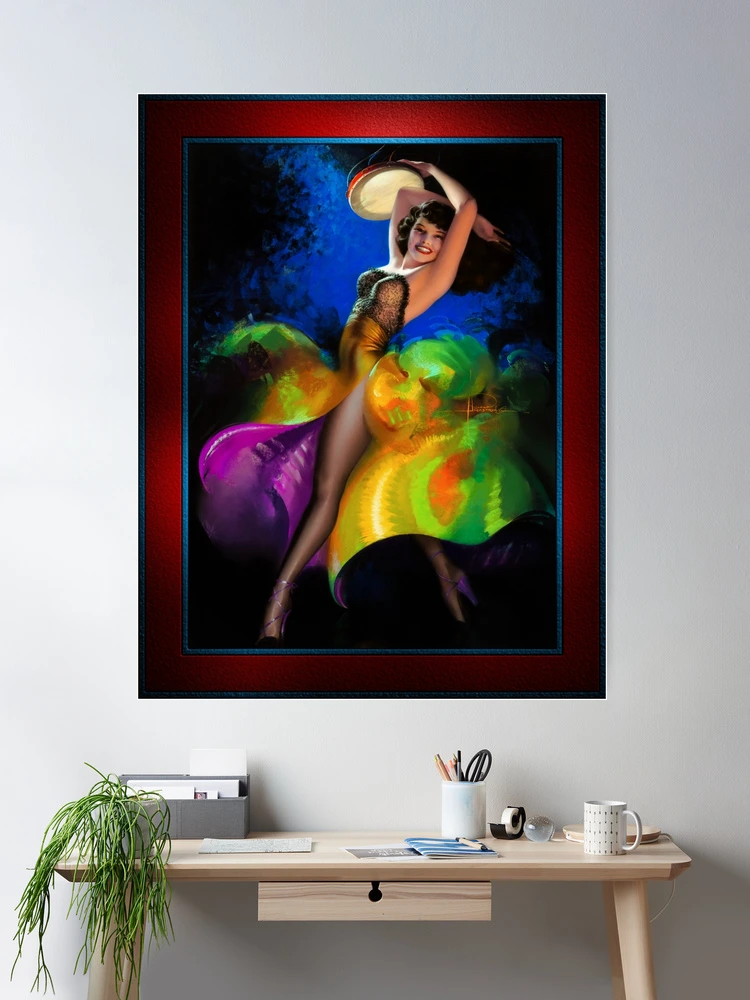
“Ripplin Rhythm,” created by the renowned American artist Рольф Армстронг (1889 – 1960), stands as a testament to the vibrant beauty of pin-up art during the mid-20th century. Армстронг, a prominent figure in the golden era of American commercial art, expertly merges movement, цвет, and emotion within this piece, offering a glimpse into the glamour and sensuality that defined the era.
Родился в 1889, Armstrong’s work was marked by a mastery of light and color, making his images highly sought after in advertisements, иллюстрации, and fine art. He utilized a unique blend of techniques that brought dynamism to his subjects, и “Ripplin Rhythm” encapsulates this with its fluid and energetic portrayal of a woman in motion.
Оглавление
Основная тема: The Vibrant Dancer
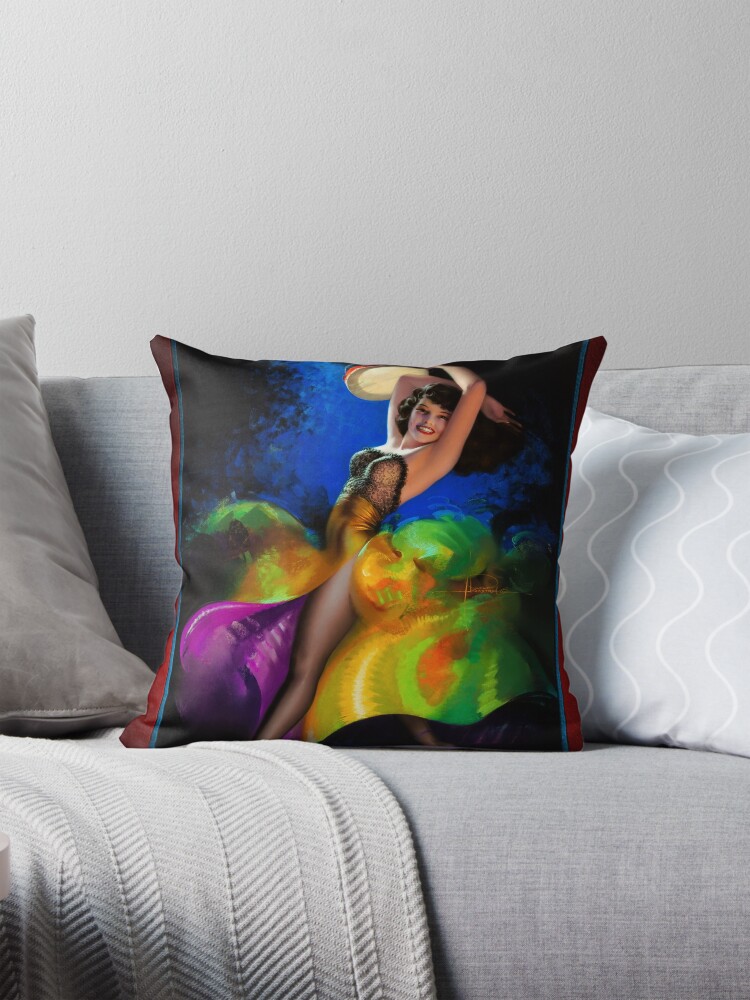
В центре “Ripplin Rhythm” is a captivating depiction of a dancer in mid-performance. Субъект, a woman, exudes confidence and joy as she spins gracefully, her flowing dress rippling around her body like the waves of an ocean. The dancer’s attire is a burst of color, with swirling shades of green, желтый, and purple creating a striking contrast against the deep blue background.
The woman’s posture is elegant yet exuberant, her arms raised in a celebratory gesture as she holds a tambourine above her head. Her face radiates happiness, a wide smile revealing her playful spirit. Armstrong has captured not only her motion but also her essence, making her appear as though she is alive with energy and rhythm.
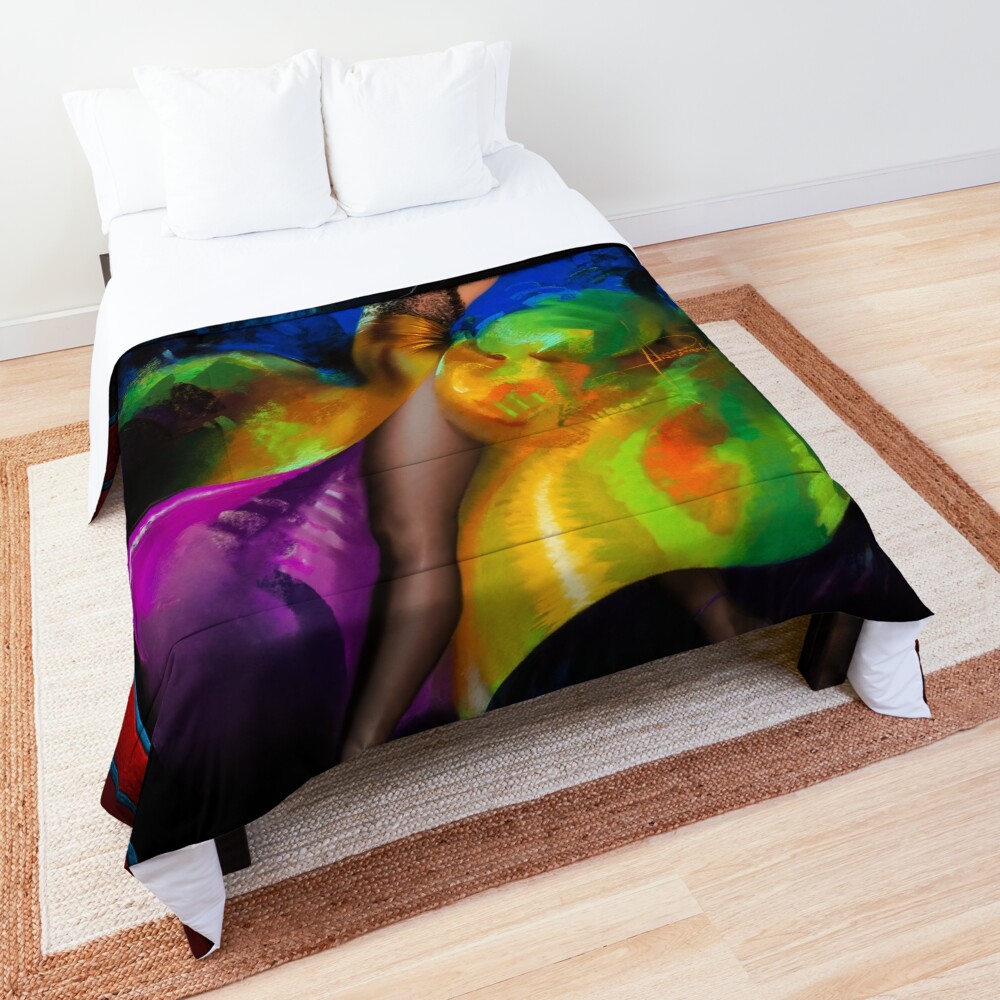
The woman’s vibrant costume, designed to reflect the rhythm of her movements, is a fusion of bold colors. The soft metallic sheen of her golden bodice catches the light, enhancing the dynamic flow of her skirt. Armstrong’s use of color in this piece is masterful, with each hue seemingly chosen to emphasize the woman’s graceful spinning and the lively atmosphere of her performance. Юбка, which flares out around her like an explosive flower, ripples with energy, suggesting the dancer’s movement and the pulse of the music she is engaged with.
The Objects: Tambourine and Flowing Garments
The tambourine held by the dancer is a key object in the painting, not only because it symbolizes the musical rhythm she embodies but also because it ties the composition together. The tambourine’s small yet intricate form contrasts the large, swirling mass of the dancer’s gown, yet it maintains a presence that complements the overall movement within the scene.
The circular shape of the tambourine subtly mirrors the curves and flow of her garments, creating a visual harmony between the two. This object, while seemingly simple, amplifies the sense of rhythm and dance in the composition.
The cascading layers of the dancer’s gown are another vital aspect of the work. Armstrong’s skillful handling of fabric and texture brings the dress to life, with each fold and curve appearing as if it is caught mid-movement. Платье, with its vibrant, rippling folds, seems to echo the fluidity of the dancer’s form. The luxurious colors and glossy textures of the skirt create a feeling of both elegance and freedom, enhancing the theme of lively celebration.
Местность: The Colorful Background
Фон “Ripplin Rhythm” is one of the key elements that contribute to the piece’s overall mood. A deep blue hue forms the backdrop, providing a striking contrast to the warm colors of the dancer’s attire. This color choice highlights the subject and makes her appear as if she is emerging from a dreamlike or fantastical environment.
Armstrong uses the swirling shapes and dark tones in the background to evoke movement and rhythm, as if the air itself is alive with the same energy that drives the dancer. Текучесть цветов на заднем плане предполагает движение, blending with the dancer’s own movements, creating a seamless connection between subject and environment.
Стиль: Art Deco and Glamour
“Ripplin Rhythm” is a quintessential example of Armstrong’s signature style, which draws heavily from Art Deco influences. The streamlined elegance of the figure, the dynamic compositions, and the use of bold, contrasting colors all reflect the Art Deco movement, which was characterized by its celebration of modernity, роскошь, и гламур.
Гладкая, graceful lines of the dancer’s body and the geometric shapes within the composition convey a sense of sophistication and energy that are central to the Art Deco aesthetic. В то же время, the work also embodies the exuberance and glamour of the pin-up style, which Armstrong helped define. His portrayal of women was not only sensual but celebratory, и “Ripplin Rhythm” is a perfect example of this, as it captures a moment of joyous self-expression.
The dancer’s radiant smile and energetic pose speak to the optimistic and carefree mood of the era. Armstrong’s work is imbued with a sense of youthful vitality, and this painting exemplifies the vibrant energy of American culture during the 1940s. It reflects a time of confidence and joy, set against the backdrop of a world on the cusp of dramatic change.
Тема и настроение: Celebration of Movement and Music
Тема “Ripplin Rhythm” is centered around the celebration of movement, Музыка, и женственность. Armstrong captures the essence of dance as an expression of joy and liberation, highlighting the dynamism and beauty of the human form in motion.
The artist has skillfully conveyed the idea that rhythm is not just a sound but a force that can be seen and felt in the movements of the body. The dancer’s bright smile and the lively swirl of her dress communicate a sense of freedom, playfulness, and enthusiasm, making the painting feel like an invitation to partake in the celebration.
The overall mood of the artwork is one of joy and excitement. Armstrong’s use of color and form conveys a sense of lightness and exuberance, and the dancer herself appears to be in the midst of a joyous performance, lost in the music and her own movement. The piece encapsulates a spirit of happiness, оптимизм, and youthful vitality, evoking a time when life seemed to be filled with endless possibilities.
Заключение
“Ripplin Rhythm” by Rolf Armstrong is more than just a beautiful portrait of a woman in motion; it is a vibrant celebration of life, цвет, и музыка. The dynamic composition, bold use of color, and joyful expression of the dancer all contribute to a sense of energy and rhythm that makes the painting come alive. Armstrong’s mastery of movement and his ability to capture the spirit of an era make this work a timeless example of American art. Through the use of elegant forms, flowing garments, and vibrant hues, Armstrong successfully conveys the joy of dance, the celebration of femininity, and the power of music to inspire movement and expression.
The Enchantress is a retouched digital art old masters reproduction of a public domain image.
Художник биография от Wikipedia.org
Рольф Армстронг родился Джоном Скоттом Армстронгом в Бэй-Сити., Мичиган в апреле 21, 1889, Ричарду и Харриет (Скотт) Армстронг. Его отец владел компанией Boy-Line Fire Boat Company., который включал линейку пассажирских судов. Некоторые из них были размещены в Чикаго для использования на Всемирной выставке в Чикаго. 1893.
тем не мение, бизнес и семья отца были в затруднительном положении, и семейная усадьба была потеряна из-за потери права выкупа. В 1899, семья переехала в Детройт, Мичиган. Отец Рольфа умер в 1903, а через год они с матерью переехали в Сиэтл., Вашингтон, по стопам своего старшего брата, Уильям, кто переехал туда годом ранее. К настоящему времени художественные интересы Рольфа превратились в нечто большее, чем удовольствие от неполного рабочего дня..
Он переехал в Чикаго в 1908, где позже учился в Художественном институте. Затем он отправился в Нью-Йорк., где он учился у Роберта Анри. После поездки в Париж в 1919 учиться в Академии Жюлиана, он вернулся в Нью-Йорк и основал студию. В 1921 он отправился в Миннеаполис, чтобы изучать производство календарей в Браун & Бигелоу.
В 1920-1930-е гг., его работы появились на многих нотах, а также на обложках многих журналов, наиболее популярны в журналах для любителей кино, таких как Photoplay и Screenland.. Его работа в основном состоит из женщин.; Мэри Пикфорд, Беби Дэниелс, и Грета Гарбо - лишь некоторые из множества его картин..
Благодаря работе Армстронга для журнала Pictorial Review, тираж этого журнала превысил два миллиона экземпляров. 1926. Год спустя, он был самым продаваемым художником-календарем в Brown & Бигелоу. В 1930, RCA наняла его, чтобы он рисовал фотографии в стиле пин-ап для рекламы своей продукции., И в 1933 Томас Д. Компания Murphy Calendar Company подписала с ним контракт на создание серии картин для их линии..
В марте 1940, Драгоценные цветы, девушка из Ламбертона, Северная Каролина, отправила Армстронгу фотографию себя в ответ на объявление, которое он разместил в New York Times.. Армстронг, 50 в это время, базировался в Hotel des Artistes на Западной 67-й улице в Манхэттене с 1939, и искал новые модели.
Он пригласил Флауэрса на интервью. На марше 25, 1940, Флауэрс начал работать моделью для Армстронга. Их профессиональное сотрудничество и дружба продолжались два десятилетия.. Первая картина, титулованный “Как я поживаю?”, как сообщается, потому что Цветы, не привык к моделированию, неоднократно спрашивал Армстронг “Как я поживаю?” во время сеанса моделирования, был впервые опубликован после начала Второй мировой войны.
Это был Браун & Самый продаваемый календарь Bigelow для 1942 в то время, когда компания продала миллионы календарей в Америке, и он стал одним из самых воспроизводимых картин Армстронга.. Цветы были популярны среди американских военнослужащих во время Второй мировой войны., некоторые из них отправили ей письма с предложением жениться. Календари Армстронга и силуэты Цветов были скопированы на бомбардировщики и другие самолеты в качестве носового искусства и нарисованы на башнях танков..
Она стала так хорошо известна во время войны, хотя больше как известное лицо, чем по имени, что письмо военнослужащего адресовано просто “Драгоценные цветы, Нью-Йорк” был доставлен правильно. Для многих американских военнослужащих за границей, она представляла “Почему мы сражаемся” дух. U.S. Президент Франклин Д.. Правительство Рузвельта привлекло ее к участию в продвижении военных облигаций..
Январь 1, 1945 издание журнала TIME включало Армстронг “Тост за город” роспись цветов в статье про искусство календаря. В статье отмечалось, что календари с “картины для девочек” мы “закуплено литейными заводами, механические цеха, дилеры автопоставок.”
Цветы поженились в 1946. Она и ее муж жили в нескольких местах, пока он пробовал несколько предприятий., в том числе Laguna Beach, Калифорния, Гринвилл, Южная Каролина, Рино, Невада, где она, как сообщается, какое-то время работала карточным дилером, и Нью-Йорк. По словам Майкла Вулдриджа, соавтор Pin up Dreams: Гламурное искусство Рольфа Армстронга, Армстронг звонил ей несколько раз, пока она следила за своим мужем с места на место., уговорить ее вернуться в Нью-Йорк и стать для него моделью.
Ее модельная карьера закончилась смертью Армстронга в 1960. Он оставил большую часть своего личного состояния Флауэрсу.. В итоге, Армстронг создал от пятидесяти до шестидесяти работ, используя Флауэрс в качестве модели..
Рольф Армстронг умер в 1960 на острове Оаху, Гавайи как одни из лучших “подкалывать” художники первой половины ХХ века.