

Sarah Bernhardt Urrutiko printzesan
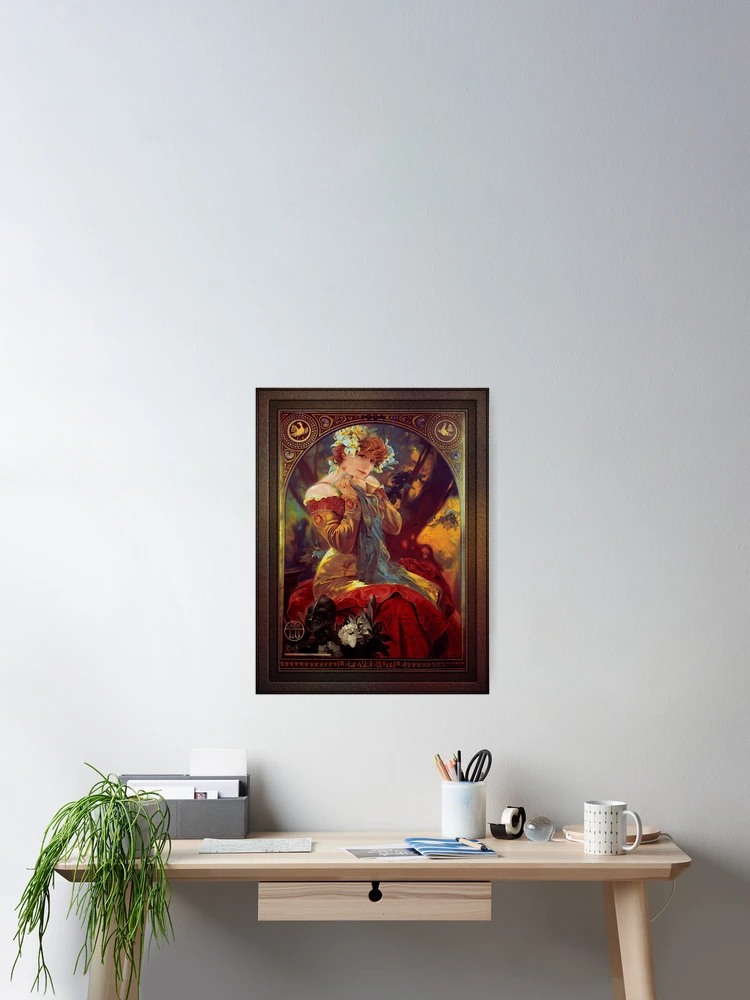
“Sarah Bernhardt Urrutiko printzesa c1904 – Lefevre-Erabilera” artista txekiarrak sortutako kartel deigarria da Alphonse Mucha (1860 – 1939). Artelan hau antzezlana sustatzeko egin zen “Urrutiko Printzesa,” bertan Sarah Bernhardt, mende amaierako eta XX. hasierako aktore ospetsuenetako bat, antzeztua.
Bernhardten dotorezia eta mistika jasotzen ditu piezak, modu dramatikoan baina dotorean erretratatua, figura etereo eta erregezale gisa irudikatuz. Kartela, sortua 1904, Mucharen Art Nouveau estilo bereizgarriaren adibide maisua da, lerro fluenteek ezaugarritzen dute, lore-eredu korapilatsuak, eta irudiaren eta dekorazio-elementuen arteko oreka harmoniatsua. Lana Muchak arte komertziala eta arte ederrekin nahasteko duen gaitasunaren froga bisuala da, creating an iconic image that represents both the art of the period and the cultural significance of the actress.
Edukien taula
Gai nagusia: Sarah Bernhardt as La Princesse Lointaine
The main subject of the artwork is Sarah Bernhardt herself, depicted as the central figure of the piece, enveloped in opulence and grace. She is shown in a romantic pose, standing serenely against a background of soft, ethereal light that suggests a mythical or dreamlike setting. Bernhardt’s facial expression is one of gentle contemplation, with her hand lightly clutching a piece of fabric, which drapes over her shoulders. This pose, along with her elegantly dressed appearance, bere pertsona noblea eta beste mundukoa azpimarratzen du, arreta erakarri zion aktore gisa eta feminitatearen eta edertasunaren ikur gisa.
Bere janzkera, xehetasun handiko soinekoa, bigunean errendatzen da, konposizioaren jariakortasuna areagotzen duten lerro jarioak. Soinekoen koloreek, batez ere urrezko tonuak gorri sakonekin azentuatuak, handitasun eta sofistikazio sentsazioa ematen diote erretratuari, antzezlanean errege edo printzesa gisa duen paperarekin bat eginez. Bere soinean zehar ehundutako lore-motiboak edertasuna eta natura iradokitzen ditu, grazia eta dotorezia gaiak are gehiago indartuz. Loreak konposizioaren dekorazio-elementuen parte ez ezik, garbitasunaren sinbolismoarekin lotzen dira, edertasuna, eta artelanak barneratzen dituen feminitatea.
Decorative and Symbolic Elements
Surrounding Sarah Bernhardt are a series of detailed and carefully constructed decorative elements, characteristic of Mucha’s Art Nouveau style. The arches and rounded edges framing the piece create a sense of harmony and enclosure, focusing the viewer’s attention on Bernhardt. Isuria, curvilinear lines that move outward from the central figure evoke the organic, natural forms seen in Mucha’s signature style. These lines are accompanied by intricate, stylized floral patterns that fill the space, creating a sense of movement that contrasts with the stillness of Bernhardt herself.
At the top of the composition, we see two symbolic emblems, a bird and a crescent moon, both recurring motifs in Mucha’s work, representing themes of transcendence, espiritualtasuna, eta betikoa. The bird may symbolize freedom or an ethereal connection, while the crescent moon often reflects the feminine and mystical aspects of the work. These symbols enhance the dreamlike quality of the scene, giving it an almost otherworldly atmosphere that elevates the portrayal of Bernhardt to a mythic status.
Lurra eta atzeko planoa
The background of the artwork is subtly painted, leunarekin, muted colors that contrast against the vivid detailing of the central figure and surrounding elements. The use of an organic, flowing backdrop with indistinct shapes suggests a natural environment, perhaps a garden or a distant landscape. While the background does not contain any hard, detailed elements that draw attention away from Bernhardt, it still serves to reinforce the overall mood of the piece, which is tranquil and reverent. The lack of detailed realism in the background contrasts with the detailed figure of the actress, allowing her to remain the focal point of the piece while the background softly recedes into abstraction.
Estiloa eta aldartea
Mucha’s style in this artwork is quintessentially Art Nouveau, characterized by elegant curves, lerro jarioak, and a sense of natural harmony. The fine detail of the clothing, the delicate patterns of the flowers, and the symmetrical framing all contribute to a sense of balance and beauty. Koloreak, while rich and deep, are applied in a way that suggests softness rather than harsh contrast, reinforcing the graceful, dreamlike atmosphere of the image.
The mood of the artwork is one of reverence and ethereal beauty. The central figure of Bernhardt is not merely an actress but a figure elevated to the status of a princess, embodying qualities of nobility, dotorezia, eta transzendentzia. There is a calm and serene quality to the portrayal, with the actress seemingly existing in a moment of quiet contemplation. This tranquil mood, combined with the flowing design and symbolic elements, creates an atmosphere of romanticism and otherworldliness.
Materialak eta Teknikak
As was typical for Mucha’s commercial work, the poster would have been created using lithographic techniques, which allowed for mass production of the artwork. This method would have enabled the poster to be reproduced and distributed widely, ensuring its visibility in public spaces and its role in promoting the play. Despite the commercial nature of the piece, Mucha’s artistic approach ensures that the image remains a work of fine art. His use of color, xehetasun korapilatsuak, and symbolic motifs all contribute to the aesthetic beauty of the piece, making it a work that transcends its advertising purpose.
Bukaera
“Sarah Bernhardt Urrutiko printzesa c1904” is a quintessential example of Mucha’s Art Nouveau style, blending intricate design with the graceful portrayal of one of the most famous actresses of the time. Lerro fluidoen erabileraren bidez, symbolic elements, and a harmonious color palette, the artwork evokes a sense of beauty, dotorezia, and mysticism. The depiction of Sarah Bernhardt, elevated to the status of a regal figure, underscores her status as an icon of femininity and allure. This piece remains an important example of Mucha’s mastery of the Art Nouveau style and his ability to elevate commercial art to the level of fine art.
Hau arte digitala ukituta dagoen domeinu publikoko irudi baten erreprodukzioa da.
Artistaren biografia
Beheko informazioa Wikipedia.org
Alfons Maria Mucha uztaila 24, 1860 – uztaila 14, 1939), nazioartean Alphonse Mucha izenez ezaguna zen. Txekiar margolari nabarmena izan zen, ilustratzailea eta artista grafikoa, Parisen bizi zen Art Nouveau garaian, eta bere antzerki-kartel estilizatu eta apaingarriengatik da ezaguna, bereziki Sarah Bernhardtenak.
Ilustrazioak egin zituen, iragarkiak, panel apaingarriak, eta diseinuak, garaiko irudi ezagunenen artean bihurtu zena.
Bere ibilbidearen bigarren zatian, urterekin 43, Austriako Bohemia-Moravia eskualdeko jaioterrira itzuli zen eta Eslaviar Epopeia izenez ezagutzen den hogei mihise monumental serie bat margotzen aritu zen., munduko herri eslaviar guztien historia irudikatuz, artean margotu zuena 1912 eta 1926.
In 1928, Txekoslovakiaren independentziaren 10. urteurrenean, seriea aurkeztu zion txekiar nazioari. Bere lanik garrantzitsuena hartu zuen. Orain Pragan dago ikusgai.