

The Golden Rose
“The Golden Rose” is a masterpiece by Peruvian artist Alberto Vargas (1896 – 1982), creat a 1941. It is a visually stunning example of Vargas’s signature style of pin-up art, which combines elegance, sensualitat, and a sense of timeless beauty. The piece showcases Vargas’s remarkable skill in capturing the human form with soft, delicate lines, smooth textures, and a subtle play of light and shadow. As one of the most celebrated pin-up artists of the 20th century, Vargas’s work became iconic for its idealized depictions of women, merging classic beauty with modern sensibilities.
Taula de continguts
Tema principal
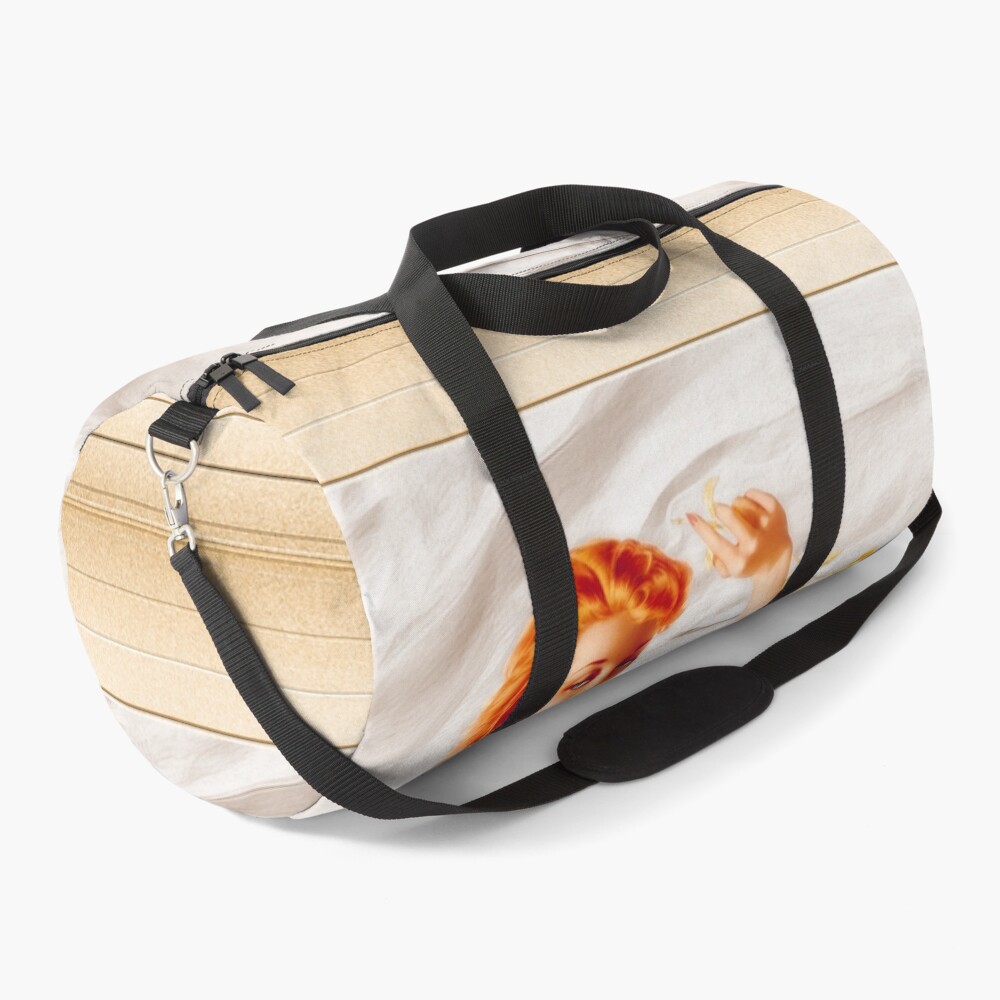
Al cor de “The Golden Rose” is a graceful female figure, elegantly seated in a relaxed pose. The subject exudes a quiet confidence and sophistication, her posture slightly tilted to the side as she gazes over her shoulder with a serene yet suggestive expression. Els cabells de la dona, estilitzat amb ones suaus, is a striking shade of coppery red that adds warmth to the composition.
Her skin is rendered in a smooth, almost porcelain-like quality, contributing to the ethereal beauty of the figure. She holds a golden rose delicately in her left hand, its petals carefully shaded to complement the subject’s radiant complexion. This rose, both a symbol of beauty and love, is an important element in the title of the artwork and plays a role in enhancing the theme of femininity and allure.
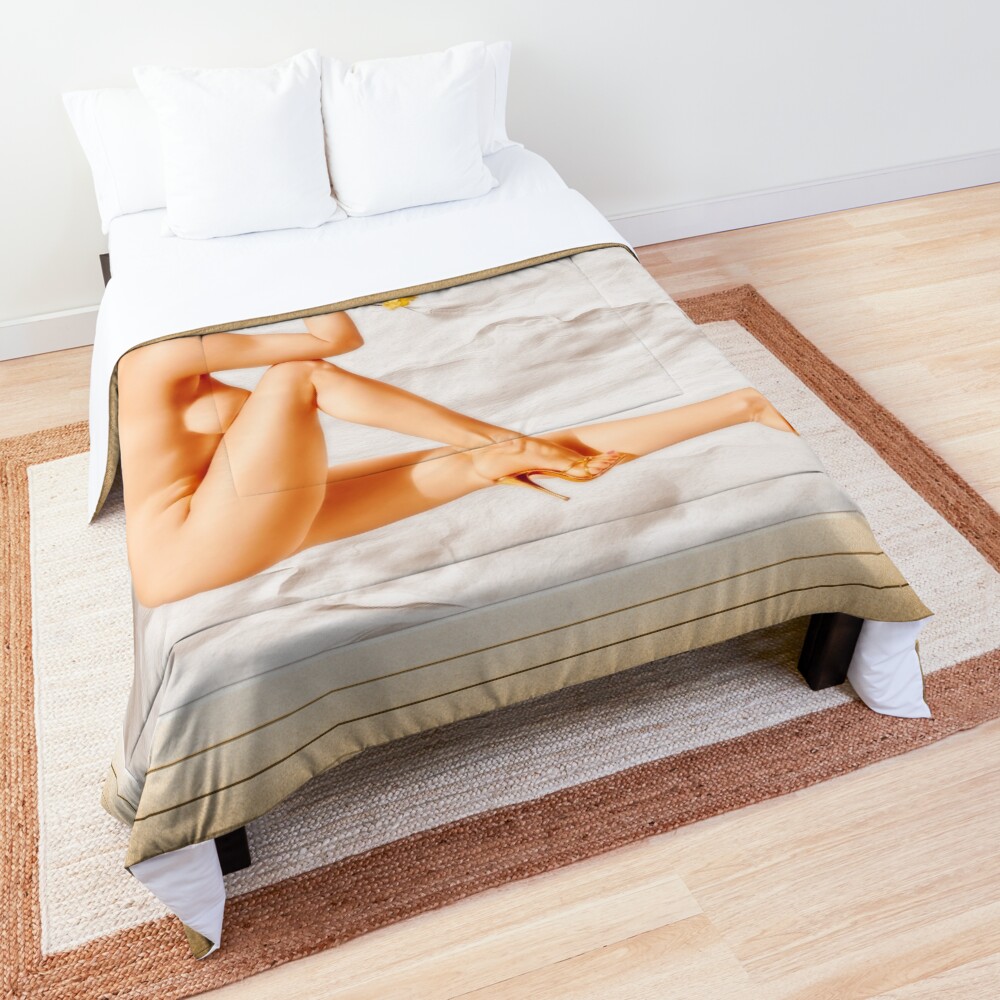
The model is depicted in a natural, yet provocative, pose. While she is seated with one knee bent slightly upwards, la seva cama esquerra descansa amb gràcia a terra mentre la seva cama dreta està estesa, mostrant els detalls fins de les seves sandàlies daurades de taló alt. Aquestes sabates són especialment importants, ja que criden l'atenció de l'espectador sobre la fina artesania i l'elegància de l'aparença general del tema. Les sandàlies, com la rosa, serveixen com a símbols de luxe i refinament.
Composició i ambientació
El fons de l'obra d'art és minimalista, compost de suau, teixit blanc ondulant que drapeja i es plega amb fluïdesa, embolcallant la model en un somni, ambient serè. La lleugeresa del teixit contrasta molt bé amb els tons càlids de la pell de la figura, creant un equilibri harmònic dins de la peça. Els suaus plecs de la tela afegeixen una sensació de moviment i suavitat al subjecte d'una altra manera estàtic, enhancing the impression of sensuality and tranquility.
The palette used by Vargas is warm and inviting, with shades of ivory, préssec, and soft gold predominating. The golden hue of the rose and the model’s sandals echo each other, tying the piece together with a cohesive color scheme. This consistent use of warm tones evokes feelings of luxury and comfort, while the soft shadows add depth and dimension to the figure. The light seems to gently caress the subject’s form, highlighting her curves and enhancing the smoothness of her skin.
Materials i Tècnica
Vargas’s work is characterized by his masterful rendering of textures, especially the skin. His attention to detail is particularly evident in the smoothness and softness of the model’s flesh, que contrasta amb l'aspecte més texturat del teixit de fons. La llum que es reflecteix a la pell és suau i brillant, com il·luminat per un invisible, font etèria. Això dóna a l'obra una sensació tant de realisme com de fantasia, ja que el subjecte sembla existir en un món tangible i oníric.
L'estil característic de l'artista també inclou l'ús de contrastos atrevits entre llum i ombra, que millora la tridimensionalitat de la figura. Les ombres cauen suaument sobre el cos de la model, creant la il·lusió de profunditat, mentre la llum juga amb les corbes de la seva forma, emfatitzant la seva bellesa natural. Aquest joc de llum i ombra, juntament amb la interpretació impecable de les textures de l'artista, contribueix al sentit general de sensualitat i sofisticació de l'obra.
Estil i Tema
“The Golden Rose” exemplifies the style of pin-up art that became hugely popular in the mid-20th century. Pin-up art is characterized by its depiction of idealized, attractive women in playful or provocative poses, often rendered in a highly stylized, glamourized manner. While pin-up art is often playful, it also exudes a sense of elegance and grace, as seen in Vargas’s work. En aquesta peça concreta, the artist captures both the allure and the elegance of the female figure, elevating her beauty to a level of timeless sophistication. The subject is not overtly sexualized, but rather is portrayed with a sense of refinement that makes her seem unattainable, yet deeply captivating.
The theme of the golden rose ties directly into the notion of idealized femininity, bellesa, i amor. The rose is often associated with romance, puresa, and the unattainable, and its presence in the artwork reinforces the concept of the woman as a symbol of these ideals. Her poised, serene demeanor contrasts with the delicate sensuality of the pose, creating an interplay between strength and vulnerability. The golden hue of the rose and the sandals suggests a certain opulence, elevating the woman to a pedestal of perfection.
Estat d'ànim i impacte
L'estat d'ànim de “The Golden Rose” is one of quiet contemplation and seductive grace. The soft colors and gentle light contribute to a serene atmosphere, while the sensual posture and elegant accessories add an element of allure. The subject’s gaze, directed slightly over her shoulder, invites the viewer to imagine what lies beyond her immediate presence, adding an air of mystery to the work. There is an inherent calmness in the piece, yet it evokes feelings of desire and admiration, making it both captivating and contemplative.
The impact of the artwork is heightened by its ability to combine sensuality with sophistication. Vargas was able to create pin-up art that was not merely about physical attraction but was also about capturing the essence of feminine beauty in a way that transcends the conventional. En “The Golden Rose,” the artist has crafted an image of a woman who is both a work of art and a symbol of the ideal, a perfect balance of beauty, gràcia, and subtle seduction.
Obra d'art Història de fons
Since the nude portrait had a plain monotone background, I decided to use my abstract digital art piece” GALACTIC STREAM JET” as an embossing layer for the background, which creates a relief wall effect.
The result is a collection of beautiful swirls that look like layered plaster, with a great deal of detail as though tooled were used to carve its form.
Es tracta d'una reproducció d'antics mestres d'art digital remasteritzada d'una imatge de domini públic que està disponible com a Impressió de tela enrotllada en línia.
Artista Bio
Informació a continuació de Wikipedia.org
Nascut a Arequipa, Perú, era fill del conegut fotògraf peruà Max T. Vargas. Alberto Vargas es va traslladar als Estats Units a 1916 després d'estudiar art a Europa, Zuric, i Ginebra abans de la Primera Guerra Mundial.
Mentre estava a Europa va conèixer la revista francesa La Vie Parisienne, amb una portada de Raphael Kirchner, que va dir que va influir molt en la seva obra.
La seva primera carrera a Nova York va incloure treballs com a artista per als Ziegfeld Follies i per a molts estudis de Hollywood. Ziegfeld va penjar la pintura d'Olive Thomas al teatre, i se la va considerar com una de les primeres noies de Vargas.
Vargas’ la peça més famosa del treball cinematogràfic va ser per al pòster del 1933 pel·lícula El pecat de Nora Moran, que mostra una Zita Johann gairebé nua en una postura de desesperació. El cartell és sovint anomenat com un dels millors cartells de pel·lícules que s'han fet mai.
Es va fer famós a la dècada de 1940 com a creador de les icòniques pin-ups de l'era de la Segona Guerra Mundial per a la revista Esquire coneguda com “Vargas Girls.” Entre 1940 i 1946 Vargas va produir 180 quadres per a la revista.
L'art nasal de molts avions nord-americans i aliats de la Segona Guerra Mundial es va inspirar i adaptar a partir d'aquests connectors d'Esquire, així com els de George Petty, i altres artistes.