

The Golden Rose
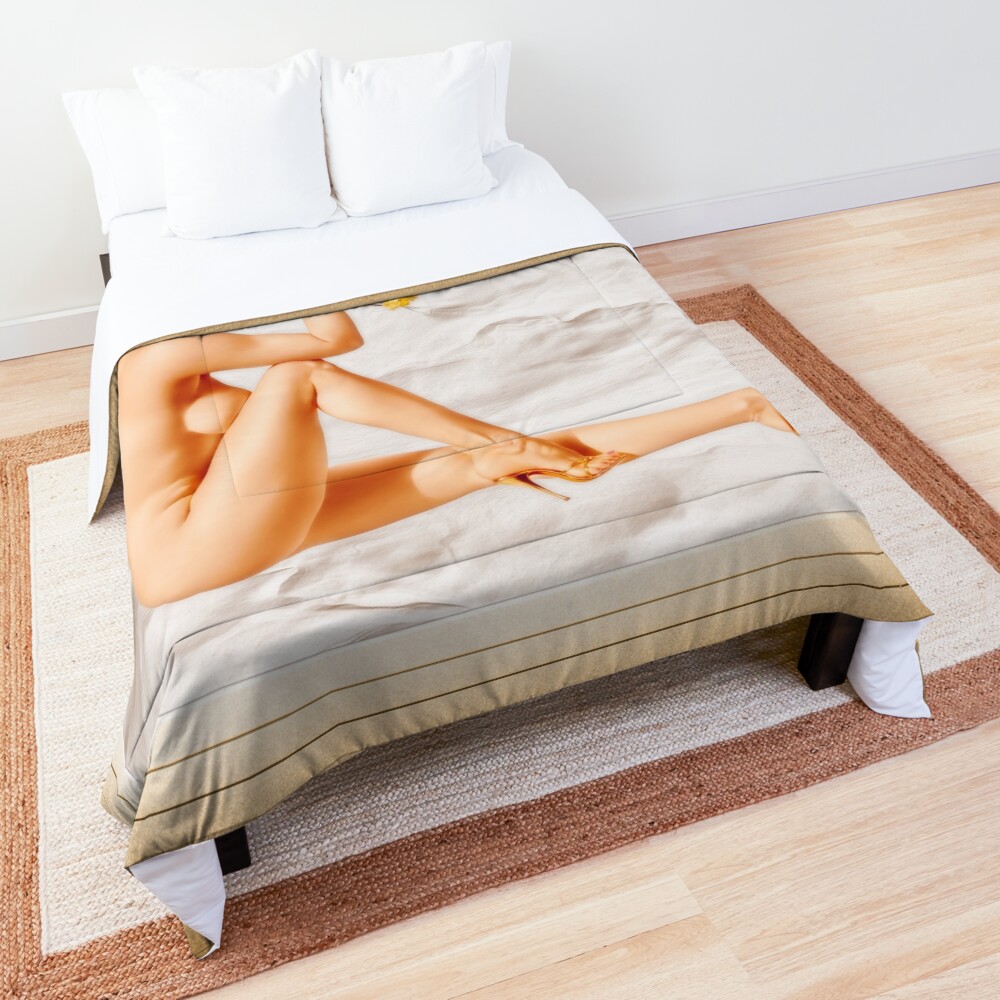
“The Golden Rose” is a masterpiece by Peruvian artist Alberto Vargas (1896 – 1982), sortua 1941. It is a visually stunning example of Vargas’s signature style of pin-up art, which combines elegance, sententzia, and a sense of timeless beauty. The piece showcases Vargas’s remarkable skill in capturing the human form with soft, delicate lines, smooth textures, and a subtle play of light and shadow. As one of the most celebrated pin-up artists of the 20th century, Vargas’s work became iconic for its idealized depictions of women, merging classic beauty with modern sensibilities.
Edukien taula
Gai nagusia
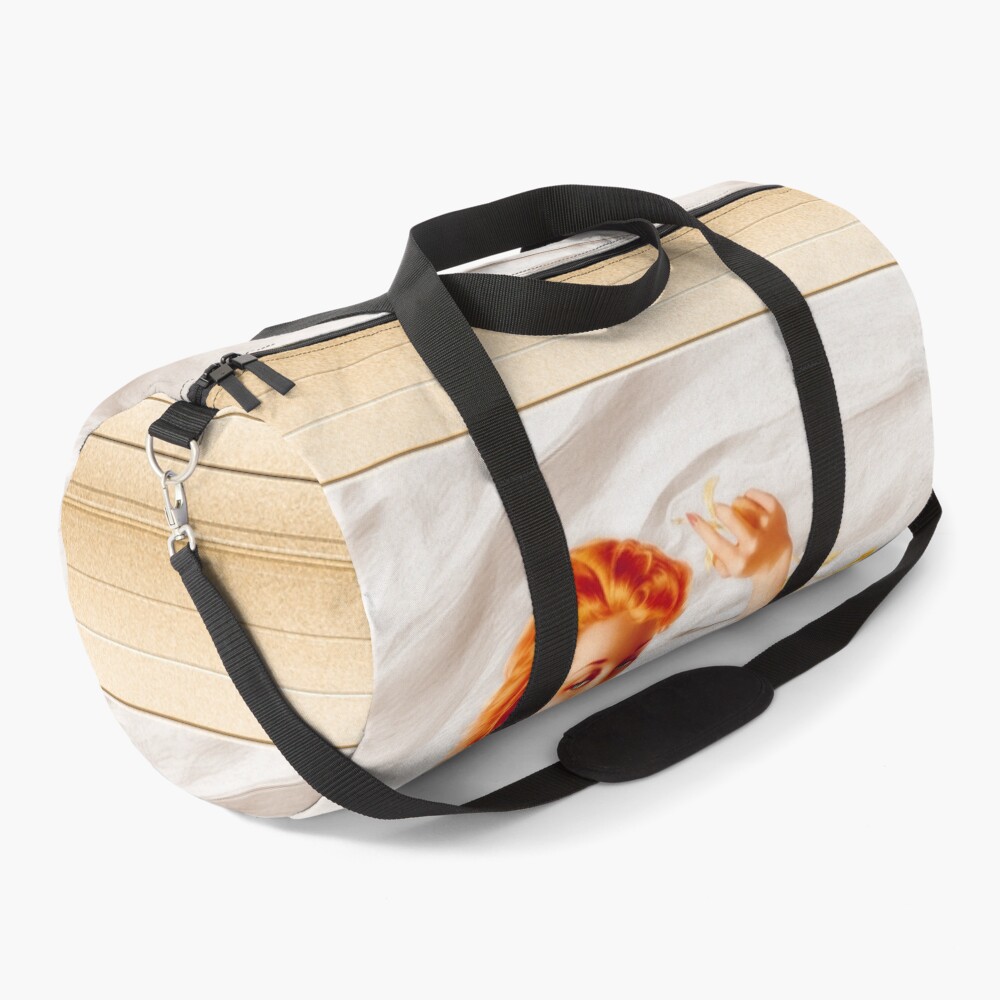
-ren bihotzean “The Golden Rose” is a graceful female figure, elegantly seated in a relaxed pose. Gaiak konfiantza eta sofistikazio lasaia dario, bere jarrera zertxobait albo batera okertuta sorbaldaren gainetik begiratzen duenean, adierazpen lasai baina iradokitzaile batekin. Emakumearen ilea, olatu leunetan estiloa, konposizioari berotasuna ematen dion kobre gorri kolore deigarria da.
Bere larruazala leun batean errendatuta dago, ia portzelana antzeko kalitatea, figuraren edertasun etereoari lagunduz. Ezkerreko eskuan urrezko arrosa bat dauka fin, bere petaloak arretaz itzalduta, gaiaren azal distiratsua osatzeko. Arrosa hau, bai edertasunaren eta maitasunaren sinboloa, elementu garrantzitsua da artelanaren izenburuan eta feminitatearen eta erakargarritasunaren gaia hobetzen du..
Eredua natural batean irudikatzen da, hala ere probokatzailea, planteatu. Belaun bat apur bat gorantz makurtuta eserita dagoen bitartean, ezkerreko hanka dotore lurrean pausatzen da eskuineko hanka luzatuta dagoen bitartean, bere takoidun urrezko sandalien xehetasun finak erakutsiz. Oinetako hauek bereziki garrantzitsuak dira, ikuslearen arreta erakartzen baitute eskulan finaren eta gaiaren itxura orokorraren dotorezian. Sandaliak, arrosa bezala, luxuaren eta fintasunaren ikur gisa balio dute.
Konposizioa eta ezarpena
Artelanaren atzeko planoa minimalista da, bigunez osatua, jariakortasunez jantzi eta tolesten den oihal zuria, eredua amets batean inguratuz, giro lasaia. Ehunaren argitasunak ederki kontrastea egiten du irudiaren azal-tonu beroekin, piezaren barruan oreka harmoniatsua sortuz. Ehunaren toles leunek mugimendu eta leuntasun sentsazioa ematen diote bestela estatikoa den gaiari, sentsualtasunaren eta lasaitasunaren inpresioa areagotuz.
Vargasek erabilitako paleta beroa eta erakargarria da, bolizko tonuekin, mertxika, eta urre biguna nagusi. Arrosaren urrezko tonuak eta modeloaren sandaliak elkarren oihartzuna dute, pieza kolore-eskema kohesionatu batekin lotzea. Tonu beroen erabilera koherente honek luxu eta erosotasun sentimenduak eragiten ditu, itzal leunek, berriz, sakontasuna eta dimentsioa ematen diote irudiari. Argiak subjektuaren forma leunki laztantzen duela dirudi, bere kurbak nabarmenduz eta bere azalaren leuntasuna areagotuz.
Materialak eta Teknika
Vargasen lana ehunduren errendaketa maisuan du ezaugarri, batez ere azala. Xehetasunarekiko duen arreta bereziki nabarmena da modeloaren haragiaren leuntasunean eta leuntasunean, atzeko oihalaren itxura testuratuagoarekin kontrastatzen duena. The light that reflects off the skin is soft and glowing, as though illuminated by an unseen, ethereal source. This gives the work a sense of both realism and fantasy, as the subject appears to exist in a world that is both tangible and dreamlike.
The artist’s signature style also includes the use of bold contrasts between light and shadow, which enhances the three-dimensionality of the figure. The shadows fall gently across the model’s body, creating the illusion of depth, while the light plays on the curves of her form, bere edertasun naturala azpimarratuz. Argi eta itzalen arteko elkarreragin hori, along with the artist’s impeccable rendering of textures, contributes to the work’s overall sense of sensuality and sophistication.
Estiloa eta gaia
“The Golden Rose” mendearen erdialdean oso ezaguna egin zen pin-up artearen estiloa adierazten du. Pin-up artea idealizatua irudikatzearen ezaugarria da, emakume erakargarriak jarrera ludiko edo probokatzaileetan, askotan oso estilizatuan errendatzen da, era glamourizatua. Pin-up artea askotan jolasgarria den bitartean, dotorezia eta grazia ere ematen du, Vargasen lanean ikusten denez. Pieza zehatz honetan, artistak emakumearen figuraren erakargarritasuna eta dotorezia jasotzen ditu, bere edertasuna betiko sofistikazio maila batera igotzea. Gaia ez dago agerian sexualizatuta, baizik eta lortu ezinezkoa dirudien fintasun sentsazio batekin erretratatzen da, hala ere, oso liluragarria.
Urrezko arrosaren gaia feminitate idealizatuaren nozioarekin lotzen da zuzenean, edertasuna, eta maitasuna. Arrosa maiz amodioarekin lotzen da, garbitasun, eta lortu ezina, eta artelanean egoteak emakumearen kontzeptua indartzen du ideal horien ikur gisa. Prest dago, jarrera lasaiak jarreraren sentsualtasun delikatuarekin kontrajartzen du, indarraren eta ahultasunaren arteko elkarrekintza sortuz. Arrosaren eta sandalien urrezko tonuak nolabaiteko oparotasun bat iradokitzen du, emakumea perfekzioaren idulki batera igotzea.
Mood and Impact
ren aldartea “The Golden Rose” kontenplazio lasaiaren eta grazia erakargarriaren bat da. Kolore leunek eta argi leunek giro lasaia sortzen laguntzen dute, postura sentsualak eta osagarri dotoreak, berriz, erakargarritasun elementu bat gehitzen dute. Subjektuaren begirada, sorbaldaren gainetik apur bat zuzenduta, ikuslea bere presentzia hurbiletik harago dagoena imajinatzera gonbidatzen du, lanari misteriozko airea gehituz. Berezko lasaitasuna dago piezan, hala ere, desira eta miresmen sentimenduak sorrarazten ditu, liluragarria eta kontenplatiboa eginez.
Artelanaren eragina areagotu egiten da sentsualitatea eta sofistikazioa uztartzeko duen gaitasunagatik. Vargasek erakarpen fisikoari buruz soilik ez zuen pin-up artea sortzeko gai izan zen, baita edertasun femeninoaren esentzia atzematea ere ohikoa gainditzen duen moduan.. In “The Golden Rose,” artistak artelan eta idealaren sinbolo den emakume baten irudia landu du, edertasunaren oreka ezin hobea, liraintasun, eta sedukzio sotila.
Artelana Atzealdeko istorioa
Erretratu biluziak hondo monotono arrunta zuenez, Nire arte digital abstraktuko pieza erabiltzea erabaki nuen” ERREKA GALAKTIKOA JET” atzeko planorako erliebe geruza gisa, erliebe horma efektua sortzen duena.
Emaitza geruzadun igeltsu itxura duten zurrunbilo ederren bilduma da, xehetasun handiz, bere forma lantzeko tresnak erabiliko balira bezala.
Domeinu publikoko irudi baten erreprodukzioa da ijetzitako mihise inprimatu sarean.
Artistaren biografia
Beheko informazioa Wikipedia.org
Arequipan jaioa, Ere jokalari, Max T argazkilariaren semea zen. Miseria. Alberto Vargas Estatu Batuetara joan zen bizitzera 1916 Europan artea ikasi ondoren, Kutx, eta Geneva Lehen Mundu Gerraren aurretik.
Europan zegoen bitartean La Vie Parisienne aldizkari frantziarraren bila etorri zen, Raphael Kirchner-en estalki batekin, esan zuen lanean eragin handia izan zuen.
New Yorkeko bere karrera goiztiarrak artista gisa lan egin zuen Ziegfeld Follies eta Hollywoodeko estudio askorentzat. Ziegfeld-ek bere oliba tomas margotu zuen antzerkian, eta Vargas goiztiarrenetako bat zela pentsatu zuten.
Miseria’ Zinemaren lan ospetsu gehienak kartelerako izan ziren 1933 Nora Moran-en bekatua, horrek Zita Johann ia biluzik erakusten du etsipenaren posizioan. Kartela maiz egiten da inoiz egindako filmeko kartel handienetako bat.
1940ko hamarkadan oso nabarmendu zen Mundu Gerrako Iconic War-II aro Pin-Ups izenez ezagutzen den aldizkariko ikonikoen sortzailea “Vargas neskak.” -En artean 1940 eta 1946 Vargasek sortua 180 Aldizkariko margolanak.
Bigarren Mundu Gerrako hegazkin estatubatuar eta aliatu askoren sudurra artea inspiratu zen eta Esquire Pin-ups hauetatik egokitu zen, baita George Petty-renak ere, eta beste artista batzuk.