

An Sgàthan
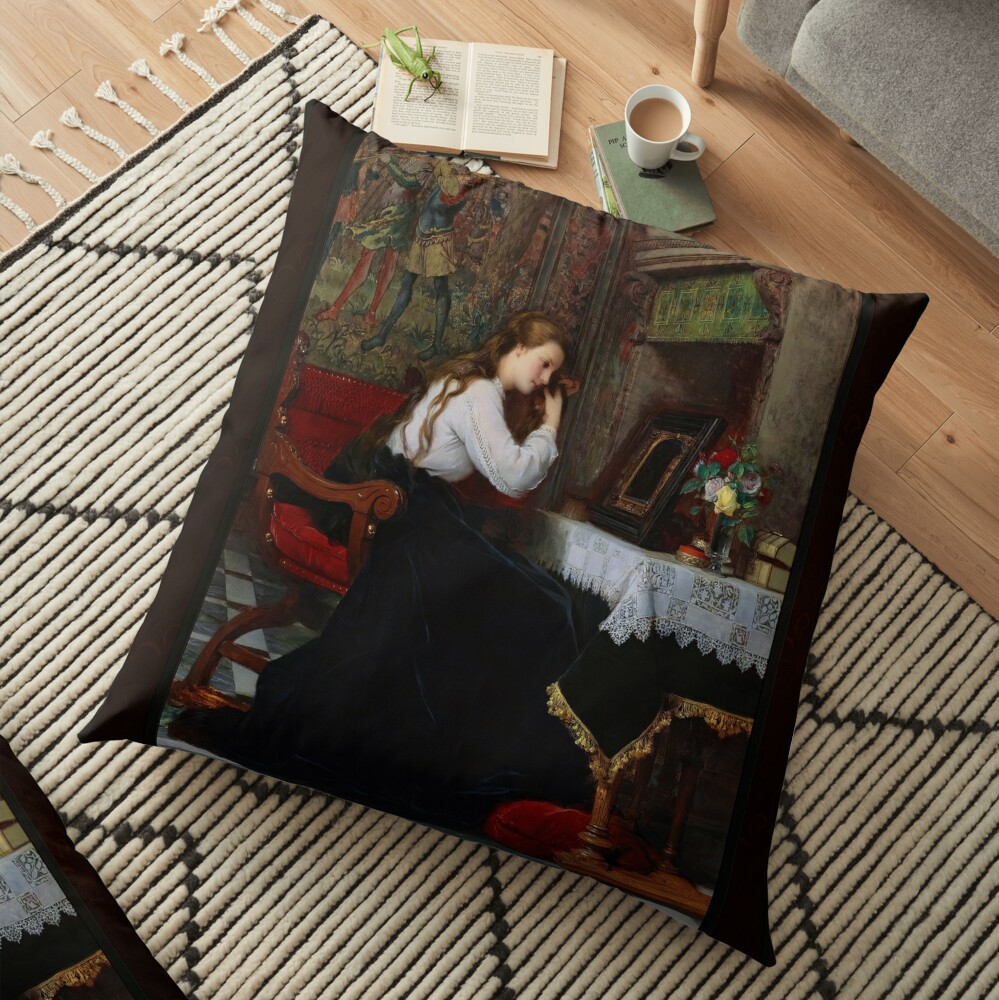
“An Sgàthan,” air a chruthachadh le Pierre-Charles Comte (1823 – 1895), 'S e dealbh fìnealta agus dlùth a th' ann de bhoireannach òg na suidhe ann an èideadh grinn, suidheachadh uaislean. Tha an obair-ealain seo na dheagh eisimpleir de Romanticism Frangach, gluasad a chuir cuideam air faireachdainn, aonranachd, agus ceangal domhainn ri bòidhchead an ama a dh'fhalbh. An co-sgrìobhadh, Mood, agus aire mhionaideach gu mion-fhiosrachadh a’ bruidhinn leabhraichean mu sgil an neach-ealain ann a bhith a’ glacadh nuances faireachdainn daonna, bòidhchead ath-leasaichte, agus mòrachd nan àiteachan a-staigh a bha àbhaisteach don elite Frangach san 19mh linn.
Clàr-innse
Prìomh chuspair
Aig cridhe seo peantadh gnè tha am boireannach òg, aig a bheil ìomhaigh air a tionndadh beagan fhad ‘s a tha i ag amharc air a faileas ann an sgàthan. Tha i air a h-èideadh ann an gùn dubh a tha a’ sruthadh, a tha gu math eadar-dhealaichte bhon blouse geal a’ coimhead fodha. A h-o chionn fhada, tha falt donn donn air a rèiteachadh gu gràsmhor, le beagan iallan a’ tuiteam gu fuasgailte mu a h-aodann.
Tha an solas bog a’ cur cuideam air sòghalachd nam feartan aice, a’ toirt iasad de chàileachd cha mhòr ethereal don dealbh aice. An abairt air a h-aghaidh, measgachadh de mhothachadh agus beagan melancholy, a tha aig cridhe an deilbh. Tha i air a ghabhail a-steach anns a’ mheòrachadh aice, gidheadh tha mothachadh air ni-eigin thar diomhanas; tha e coltach gu bheil an sealladh aice a’ nochdadh introspection no is dòcha cuimhne air rudeigin fad às.
Seasamh na boireannach òig, suidhe le aon làimh faisg air a h-aghaidh, ag atharrachadh a falt gu socair, a’ cur ris a’ bheachd air àm fìnealta tuilleadh. An gnìomh a bhith a 'coimhead a-steach don sgàthan, còmhla ri aonaranachd a h-ìomhaigh, a’ moladh aithris air fèin-mheòrachadh, an dà chuid litireil agus metaphorical. Tha e mar gum biodh an neach-ealain a’ toirt cuireadh don neach-coimhead gu prìobhaideach, àm pearsanta, air a chuir dheth ann an ùine.
Rudan agus suidheachadh
Suidheachadh “An Sgàthan” tha e air a sgeadachadh gu beairteach, taobh a-staigh sòghail, fear a tha a’ nochdadh uaill uaislean na Frainge aig àm nan Ròmanach. Air cùlaibh na boireannaich, bidh grèis-bhrat air a pheantadh gu grinn a' sgeadachadh a' bhalla. Na figearan taobh a-staigh a 'ghrèis-bhrat, ged a tha e beagan fo smachd mionaideach an taca ris a’ phrìomh chuspair, cuideachadh le bhith a’ suidheachadh an t-seallaidh le bhith a’ cur doimhneachd agus co-theacs eachdraidheil ris.
Tha dà fhigear air a’ ghrèis-bhrat, uaislean no ghaisgich dualtach, aodach ann an stoidhle an Ath-bheothachaidh. Tha an làthaireachd aca a’ nochdadh aig àm mòrachd, a’ daingneachadh inbhe sòisealta agus grinneas na boireannaich òig ri aghaidh an deilbh.
Air a beulaibh, air a' bhòrd, tha grunn nithean air an rèiteachadh gu faiceallach. Tha sgàthan dorcha le frèam fiodha na shuidhe gu follaiseach, reflecting the woman’s image. Beside it is a small collection of decorative items: a vase filled with fresh flowers, a box, and a few books.
The arrangement of these objects suggests a world of calm leisure, where the subject is engaged in personal care or thought. Na flùraichean, possibly roses, hint at themes of beauty and fragility, reinforcing the intimate mood of the painting.
The tablecloth beneath the objects is richly detailed, showcasing lace and embroidery that highlight the artist’s dedication to texture and visual richness. The fine linen contrasts with the darker tones of the furniture and the dress of the subject, drawing attention to the finer, softer aspects of the scene.
Cruth-tìre agus Stuthan
The floor beneath the woman’s feet is decorated with intricate marble tiles, na pàtrain geoimeatrach aca a’ cruthachadh faireachdainn de rùm agus gluasad taobh a-staigh an t-seòmair. Tha dealbh-chluich an t-solais thairis air an uachdar snasta a’ cur cuideam air nàdar sòghail an t-suidheachaidh agus a’ cur ri opulence aodach boireannaich.
Tha an t-àite mun cuairt oirre an dà chuid dlùth agus farsaing, leis an làr marmoir a’ moladh seòmar a tha mòr ach prìobhaideach. Cleachdadh marmor, stuth clasaigeach airson taobh a-staigh àrd-chomainn, a’ cur sreath a bharrachd de ghrinneachadh ris a’ phìos.
Na stuthan a thagh Comte airson an dealbh seo, gu sònraichte ann a bhith a’ toirt seachad inneach, taisbeanadh a chomas air dealbh-chluich an t-solais agus an sgàil a ghlacadh. Tha uachdar meòrachail an sgàthan agus an làr snasta eadar-dhealaichte bho cho bog sa tha aodach boireannaich agus mion-fhiosrachadh fìnealta a’ bhùird. An eadar-chluiche seo de uachdar, gleansach, bog, agus inneach, creates a dynamic visual experience for the viewer.
Stoidhle agus mood
The overall style of the painting is characterized by a fine attention to detail, a hallmark of 19th-century French Romanticism. Comte’s precise brushwork and careful layering of light and shadow bring the scene to life, infusing it with an almost photographic realism.
Gidheadh, despite this realism, there is an undeniable romantic quality to the piece, from the contemplative nature of the subject to the luxurious surroundings. The mood evoked is one of quiet introspection, where the young woman’s moment of personal reflection seems to carry a sense of melancholy, as though she is lost in thought or caught in a moment of nostalgia.
An suidheachadh, fhad 'sa tha e mòr, does not overshadow the subject; An àite sin, it serves to enhance her solitude and quiet contemplation. The artist’s use of color is subtle but effective, dorcha, rich tones dominate the background, while the woman’s attire is a deep contrast, drawing the eye directly to her figure. The soft light that illuminates her face and hands adds a dreamlike quality, further enhancing the overall romantic mood of the painting.
Cuspair
Aig cridhe, “An Sgàthan” explores themes of self-reflection, bòidhchead, agus siubhal ùine. The mirror itself, mar nì, becomes a symbol of self-awareness, vanity, and perhaps even a fleeting sense of identity. The woman’s engagement with her own image invites the viewer to ponder the nature of her thoughts.
Is she merely admiring her appearance, or is she contemplating something deeper? Her solitary pose and introspective gaze suggest that the painting’s true theme is one of personal introspection, where the mirror serves as a gateway not only to the physical self but to the emotional world beneath the surface.
Co-dhùnadh
Pierre-Charles Comte’s “An Sgàthan” is a masterful example of Romanticism, capturing both the elegance and the emotional depth of a young woman lost in the quiet moment of self-reflection. Through his detailed rendering of light, inneach, and space, Comte transforms an ordinary scene of vanity into a poetic exploration of introspection. The combination of the luxurious interior, the graceful subject, and the reflective mirror creates a timeless narrative that speaks to the viewer’s sense of personal reflection and emotional connection.
Is e seo ath-riochdachadh seann mhaighstirean ealain didseatach ath-leasaichte de ìomhaigh fearann poblach a tha ri fhaighinn mar chlò-bhualadh canabhas air-loidhne.
Neach-ealain bi a thàinig bho AskArt.com
Pierre was born on April 23,1823 in Lyon, France and studied under the French Painters Jean-Claude Bonnefond (1796 – 1860) and Joseph-Nicolas Robert-Fleury (1797 – 1890); and demonstrated a talent for creating grand historic paintings which was so popular at the time in France; and was encouraged by his teachers to focus in this area of art.
However Pierre was also very gifted at creating intimate genre scenes the depicted the Medieval and Renaissance periods that captured the everyday activities of life, that many people could relate to, since it wasn’t much different then the way people were living at the time.