

Katuva Magdaleena c1635
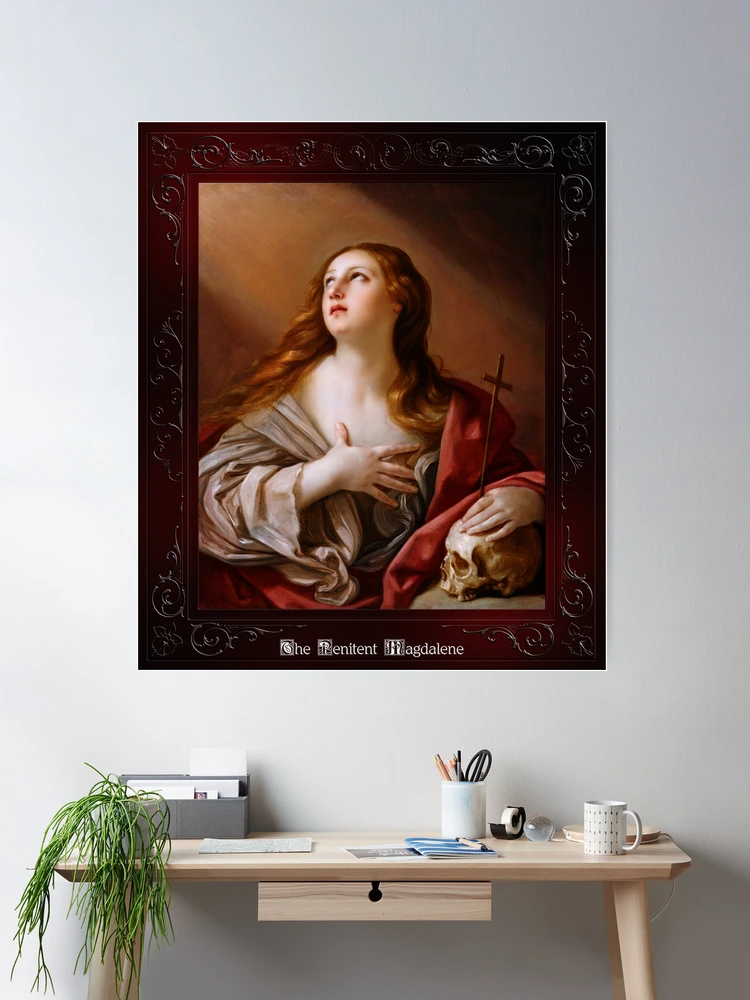
“Katuva Magdaleena” on mestariteos, joka on luotu vuonna 1635 kuuluisa italialainen barokkitaiteilija Guido Reni (1575 – 1642). Tämä ikoninen maalaus kuvaa raamatullista Maria Magdaleenan hahmoa, joka on perinteisesti tunnustettu lunastusta etsiväksi syntiseksi. Renin kuvaus vangitsee kohteen intensiivisen sisäisen myllerryksen ja henkisen muutoksen huolellisen armon tasapainon avulla, paatos, ja dramaattinen valo, tyypillistä barokkitaiteelle. Maalauksessa ei välitetä vain katumuksen ja katumuksen uskonnollisia teemoja, vaan se esittelee myös Renin taitoa muotokuvissa, valon ja varjon käsittely, ja hänen kykynsä imeä tunteita hahmoihinsa.
Sisällysluettelo
Pääaihe: Maria Magdaleena
Sisään “Katuva Magdaleena,” keskeinen hahmo on Maria Magdaleena, jonka mietiskelevä ilme ja lempeä asento herättävät syvän surun ja katumuksen tunteen. Hänet esitetään kalpeana, valoisat kasvot, hänen katseensa suunnattiin ylöspäin, näennäisesti pohtimassa jumalallista armoa tai pohtimassa menneitä syntejään. Asento hänen kätensä rinnallaan, aivan hänen sydämensä yläpuolella, ehdottaa emotionaalista lunastuspyyntöä tai syvää sisäistä konfliktia. Hänen toinen kätensä lepää kevyesti pienen kallon päällä, kuolevaisuuden ja maallisen elämän ohimenevän luonteen vertauskuva. Kallo, usein kuoleman symboli, vahvistaa henkisen lunastuksen teemaa, merkki kuoleman väistämättömyydestä ja parannuksen tarpeesta inhimillisen heikkouden edessä.
Pehmeä virtaus hänen pitkä, kiiltävät hiukset ja hänen ylelliset kaapunsa eroavat aiheen synkyydestä, emphasizing her vulnerability as a woman caught between the earthly and the divine. The gentle curve of her neck, the subtle play of light across her skin, and the delicate rendering of her facial features all suggest Reni’s exquisite attention to detail and his ability to create an emotionally charged image through delicate brushwork.
Esineet: Pääkallo ja risti
Two significant objects in the composition deepen the narrative: the skull and the cross. The skull rests beside the figure, its stark contrast to the figure’s otherwise serene and peaceful demeanor drawing attention to its symbolic meaning. In Baroque art, such objects often remind the viewer of the transient nature of life and the importance of spiritual reflection. The presence of the skull connects directly to the Christian concept of mortality, encouraging the contemplation of death and the need for penance.
In contrast to the skull, a wooden cross is held upright in the background, subtly reinforcing the Christian theme of salvation. The cross, while not the focal point of the painting, serves as a silent testament to the religious undertones of the work. It is an object of immense spiritual significance, representing both suffering and redemption, which is central to the narrative of Mary Magdalene’s transformation.
Maasto ja tausta: Pehmeä ja eteerinen
The terrain and background in “Katuva Magdaleena” are minimalistic and ethereal, contributing to the overall mood of spiritual contemplation. The background is bathed in soft, warm tones of gold, vaaleanpunainen, ja ruskea, creating a celestial atmosphere that separates the figure from any earthly concerns. There are no specific or detailed elements of the landscape, which allows the viewer’s attention to remain focused on the emotional depth of the subject. Valon käyttö, especially the soft glow around Magdalene’s face, adds an almost divine aura to her figure, suggesting her purification and spiritual elevation.
This minimalist treatment of the background and the soft gradation of light are characteristic of Reni’s style and of Baroque art in general. The lighting directs the viewer’s focus entirely on the figure, reinforcing the central theme of internal reflection and penitence.
Tyyli ja tekniikka: Barokin mestaruus
Reni’s work exemplifies the best of the Baroque style, a period known for its emotional intensity, dramatic contrasts of light and shadow, and the merging of realism with spiritual symbolism. Tässä maalauksessa, the artist employs chiaroscuro—the technique of strong contrasts between light and dark—to create a heightened sense of drama and emotion. The light that bathes Mary Magdalene’s face and hands lends an ethereal, almost otherworldly quality to the image, enhancing the sense of divine presence.
Reni’s precise brushwork and attention to detail are evident in the rendering of fabrics, skin tones, and facial expressions. His deft ability to capture the texture of the fabrics, especially the luxurious softness of Magdalene’s robe, further emphasizes the figure’s nobility and grace. The contrast between the delicately painted skin and the dark, almost mysterious shadows around the figure also showcases Reni’s technical skill in handling the human form.
Teema ja mieliala: Lunastus ja henkisyys
Mieliala “Katuva Magdaleena” is one of profound introspection and sorrow, yet it also conveys a sense of hope and redemption. Reni has captured Magdalene in a moment of penitence—her gaze upward suggests a yearning for divine forgiveness, while the skull at her side serves as a reminder of the frailty of human life and the need for salvation. There is a deep spiritual tension in the figure’s posture, which combines vulnerability with a sense of inner strength. It is a moment of grace, where the figure is on the verge of spiritual redemption through her penitence.
The overall theme is one of Christian redemption, a recurrent motif in Baroque religious art. Magdalene, traditionally portrayed as a fallen woman, is shown here as a figure of deep contemplation, expressing both the pain of her past and the hope of her eventual salvation. This combination of emotional vulnerability with the promise of spiritual renewal invites the viewer to engage with the painting on a deeply personal level.
Johtopäätös
Guido Reni’s “Katuva Magdaleena” is a poignant and powerful portrayal of the themes of sin, penitence, ja lunastus. The work exemplifies the Baroque tradition, blending technical virtuosity with deep emotional and spiritual insight. Through his careful use of light, varjo, ja symboliikkaa, Reni invites viewers into the intimate world of Mary Magdalene, where the tensions of sorrow and hope are vividly brought to life.
Tämä on retusoitu digitaalisen taiteen vanhojen mestareiden kopio julkisessa käytössä olevasta kuvasta, joka on saatavilla muodossa metalli, kangas, acrylic and wood print online.
Käytä tätä linkkiä ostaaksesi Koristeesineet used in the frame of this piece; nippu sisältää 400 kauniisti suunniteltujen koristeiden elementtejä.
Taiteilija Bio on johdettu Wikipedia.org
Guido was born in Bologna, Italy to musicians Daniele Reni and Ginevra Pozzi; and at the age of nine was apprenticed to the Bolognese studio of Flemish Painter Denis Calvaert (1540 – 1619), who lived in Italy and who was also known as Dionisio Fiammingo or Il Fiammingo (The Fleming).
When Guido was about 20, he and his fellow artist at the Bolognese studio, Italian Baroque Painters Francesco Albani (1578 – 1660) and Domenico Zampieri (1581 – 1641), moved to the rival studio, Accademia degli Incamminati (Academy of the “newly embarked”, or progressives), which was led by Italian, early-Baroque painter, etsaaja, and printmaker Ludovico Carracci (1555 – 1619).
The trio then went on to form the core of a successful and prolific school of Bolognese painters who followed the cousin of Lodovico; Italian painter Annibale Carracci (1560 – 1609).