

Potterova dcera
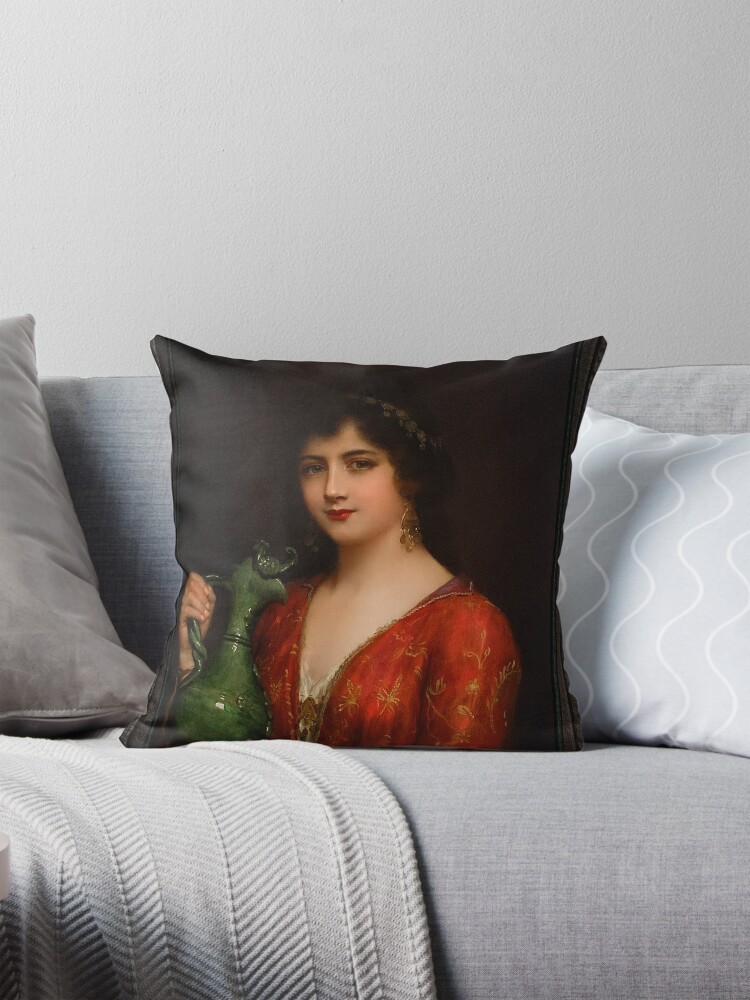
“Potterova dcera”, vytvořil britský umělec Abbey Abraham Altson (1866 – 1949), je strhující kousek z konce 19. až počátku 20. století, odrážející stylistické vlivy doby. Altson, známý pro své vytříbené portrétování a použití světla a stínu, zachytil nadčasový okamžik v životě mladé ženy, mísení realismu s nádechem romantismu. Tato práce, vyvedeno v oleji na plátně, zobrazuje ženu držící keramický džbán, zahalený v bohatých, teplé tóny. Scéna rezonuje s estetikou viktoriánské éry, a zároveň nenápadně tlačí směrem ke zkoumání naturalismu a emocí 20. století.
Obsah
Předmět a nálada
Srdcem obrazu je krásný portrét klidné a důstojné postavy mladé ženy, tradičně označované jako “Potterova dcera.” Dívá se přímo na diváka s měkkým, ale sebejistým výrazem, její držení těla je půvabné a vyrovnané, jako by byl zachycen v reflexním okamžiku. Mladost a krása předmětu jsou evidentní, ale je v ní také vzduch tiché síly, když drží hrnčířský džbán – symbolický předmět, který ji spojuje s minulostí, její dědictví, a možná na každodenní práci, která by byla běžná pro ženy na venkově nebo v řemeslném prostředí.
Výraz ženy, klidný, ale trochu záhadný, zve diváka do osobního vyprávění, takový, který není ani přehnaně dramatický, ani jasně neutrální. Jemná křivka jejích rtů vzhůru naznačuje vnitřní sebevědomí, znalost jejího místa ve světě. Tento prvek klidu, téměř nedotčená časem, je ústředním tématem Altsonova zobrazení, a vyvolává pocit nostalgie po jednodušším, předindustriální éry. Její tmavé vlasy jsou elegantně upravené, rámuje její jemné rysy, a její šperky, velký, visací náušnice, dodává nádech skromné elegance.
Předměty a jejich význam
Nejvýraznějším objektem kompozice je keramický džbán, který žena drží, jako symbol i jako prvek vyprávění. Hrnčířství, často spojován jak s uměním, tak užitkem, značí rovnováhu mezi domácí prací a kreativním řemeslem. Nádoba je sama o sobě pečlivě vytvořeným uměleckým dílem, vykresleno se složitými detaily, ukazující Altsonovu pečlivou pozornost k texturám a tvarům předmětů každodenní potřeby. Umělcova volba zahrnout džbán do portrétu pravděpodobně naznačuje důležitost řemesla v životě této ženy., možná odkazující na dědictví nebo odkaz předávaný generacemi hrnčířů.
dodatečně, temně červená ženská róba vyniká proti tmě, ztlumené pozadí. Bohatá textura a barva látky znamenají teplo a luxus, naznačuje, že nemusí být pouhou dělnicí, ale někým z rodiny řemeslníků, možná i ten, jehož otcova keramika dosáhla určitého uznání. Toto spojení mezi ženou a jejím otcem je klíčové pro pochopení základního vyprávění obrazu: není jen dcera, ale zástupce rodu, připravená pokračovat v tradicích svých předků.
Krajina a pozadí
Pozadí malby je tmavé, téměř zahalující téma, vytváří výrazný kontrast, který zaměřuje pozornost diváka výhradně na ženu a její objekt. Neexistuje žádná zřejmá krajina nebo rušné prostředí; místo toho, zaměření zůstává dovnitř, na samotné téma. Neutrální, hluboké tóny pozadí zvyšují živost objektu, dává jí nadčasový, téměř nadpozemská přítomnost. Tato technika je charakteristická pro Altsonův portrétní styl, kde nedostatek rušivých prvků povznáší jedince a jeho vztah s divákem.
Tento ostrý kontrast mezi ženou a jejím prostředím také naznačuje záměrné odtržení od okolního světa. Jednoduchost pozadí lze interpretovat jako symbol ticha venkovského života nebo řemeslné existence, kde se vnitřní svět subjektu stává prvořadým. Absence jakékoli významné krajiny nebo prostředí může také znamenat, že identita subjektu není definována jejím okolím, ale svým vnitřním světem a tichou důstojností, kterou si s sebou nese.
Styl a technika
Altsonův umělecký styl v “Potterova dcera” mísí prvky realismu s lehce romantizovaným zobrazením. Umělcovo použití soft, téměř éterické osvětlení umocňuje pocit rafinovanosti a ladnosti obklopující předmět.
Technika sfumato, míchání barev a tónů k vytvoření měkké, kouřový přechod mezi barvami, dodává ženské tváři realistickou kvalitu, zatímco bohaté textury její róby a keramického džbánu zvou diváka, aby ocenil umělcovu detailní kresbu štětcem. Prolínání teplých a tmavých tónů, kontrastoval se složitými detaily oděvu subjektu a keramiky, je charakteristická pro Altsonovu schopnost vyvážit formu a texturu, vyzdvihuje hmatové kvality jak lidské postavy, tak předmětů, s nimiž přichází do styku.
Závěr
“Potterova dcera” Abbey Abraham Altson je příkladným dílem portrétního umění z konce 19. století, který zachycuje eleganci i tichou sílu svého předmětu.. Přes pečlivou pozornost k detailu, textura, a světlo, Altson promění jednoduchý okamžik, drží hrnčířský džbán, do úvahy o dědictví, identita, a role žen v předindustriální společnosti.
Tlumené pozadí, symbolika keramiky, a klidný výraz mladé ženy, to vše v harmonii vytváří umělecké dílo, které vypovídá nejen o osobní milosti, ale také o době, která si vážila řemesla a rodinných odkazů.. Altsonovo mistrovské ztvárnění této intimity, nadčasová scéna zůstává důkazem jeho schopnosti zachytit podstatu lidského ducha i světa, který obývá.
Toto je retušovaná reprodukce starých mistrů digitálního umění obrázku ve veřejné doméně, kterou lze zakoupit online jako a rolovaný tisk na plátno.
Životopis umělce
Níže uvedené informace jsou odvozeny z Wikipedia.org
Abbey Abraham Altson se narodil v Middlesbororough-on-Tees, Yorkshire v roce 1864. V září roku 1883 on a jeho bratr Barnett Hayman Altson odjeli do Austrálie ; a začátek v 1885 Abraham začal studovat kresbu dvě noci v týdnu na National Gallery School of Design, se sídlem v Melbourne.
Já 1886 poté se zapsal jako řádný student na malířskou školu; studovat s jiným známým umělcem, jako je Fred McCubbin, John Longstaff, Emmanuel Phillips Fox, David Davies, Tudor St. George Tucker a Fred Williams.
Abraham vyhrával ceny každý rok, kdy byl ve škole, a kritici ho ohlašují jako nejslibnějšího žáka budoucnosti.