

De Giel Kleed vum Peruvian
Gegrënnt an der Mëtt vum 20. Joerhonnert, “De Giel Kleed” ass en exquisite Stéck vum Peruanesch-gebuerene Kënschtler Alberto Vargas placeholder image, dee bekannt war fir seng gefeiert Pin-up Konscht déi de Glamour an d'Eleganz vun de Fraen an der Post-Krich Ära ageholl huet. Gebuer zu 1896 a passéiert fort 1982, Vargas war e Meeschter vu Sensualitéit a Gnod, vermëschen virsiichteg Technik mat enger moderner Approche zu Portrait. D'Bild steet als Hommage un d'Schéinheet an d'Allure vun der weiblecher Form, encapsuléieren d'Eleganz an Stil vun der Period et duerstellt. An “De Giel Kleed,” Vargas benotzt eng harmonesch Kombinatioun vu liewege Faarwen, delikatesche Spréchwannen, an e mëllen Fokus op de weibleche Sujet fir e Bild ze kreéieren dat zäitlos Raffinesséierung ausstraalt.
Inhaltsverzeechnes
D'Haaptthema
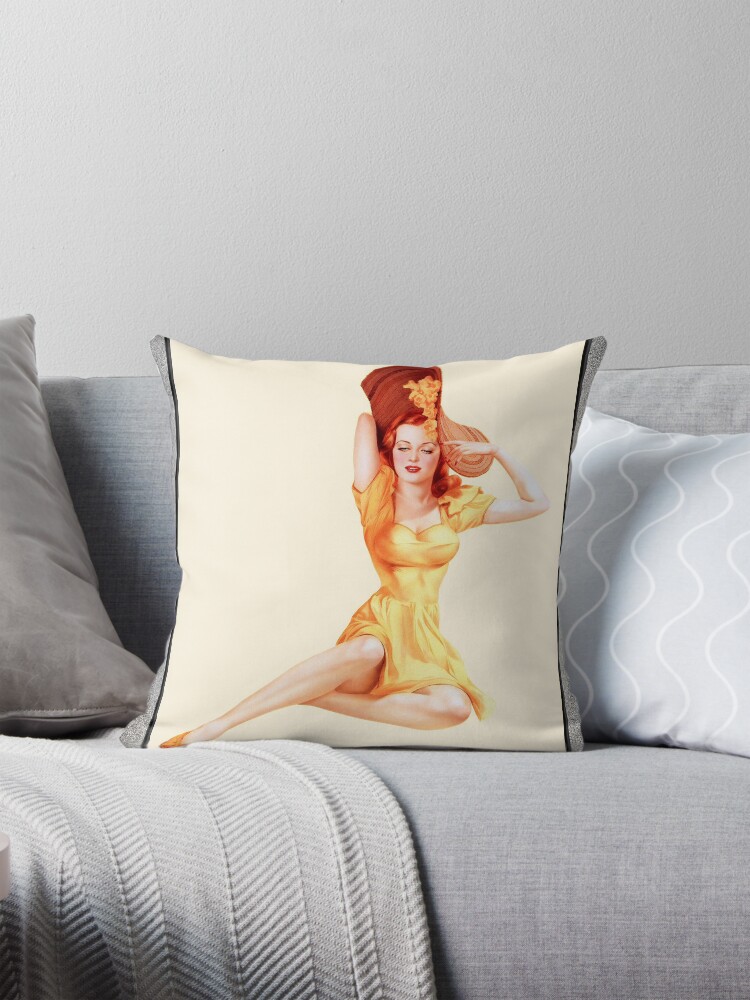
De Brennpunkt vum Konschtwierk ass eng Fra, déi an engem stralende giele Kleed gekleet ass, wat schaarf kontrastéiert mat hire brennroude Hoer an dem gedempten Hannergrond. Hir bereet, elegant Haltung, mat engem Aarm sanft opgehuewe fir e markant groussen a fashionable Hutt ze halen, schaaft e Gefill vu Bewegung a Liichtegkeet. D'Gesiichtsausdrock vun der Fra ass roueg, hir Aen zougemaach wéi wann verluer an engem Moment vun Self-Reflexioun oder reng Zefriddenheet. Dëse subtile Detail invitéiert den Zuschauer an e private Moment, hatt an engem Zoustand vu Gnod a Berouegung erfaasst. D'Kleedung vun der Fra ass Figur-flatterend, hir Kéiren mat der mëller accentuéieren, glat Textur vum Stoff beliicht duerch Vargas senger virsiichteg Rendering vum Kleed.
Den Hatten, e wichtegt Element an der Zesummesetzung, ass aus engem waarme brong Material gemaach, decorated with a delicate flower motif that serves as a perfect complement to the golden hues of the dress. The hat’s wide brim appears to cascade with movement, contributing to the fluidity of the overall composition. Vargas’s characteristic attention to detail in capturing textures, from the softness of the dress to the flow of the hat, draws attention to the tactile nature of the subject. The subject’s long, graceful limbs are positioned in a relaxed manner, adding to the overall sense of ease and elegance.
Den Hannergrond an Ëmgéigend Elementer
The background of the piece is minimal, with a soft cream-colored wash that serves to isolate the subject from the surrounding world, drawing the viewer’s focus entirely onto the woman in the yellow dress. Dëse Choix vun engem onkomplizéierten Hannergrond kontrastéiert mat der Hellegkeet vum Thema, d'Drama an d'Verlockung vun der Fra verbesseren. Et gi keng kompetitiv Objeten, Zuelen, oder komplex Astellungen; d'Feele vun Oflenkungen invitéiert den Zuschauer d'Schéinheet vun der Fra an d'raffinéiert ze bewonneren, feminine Stil Vargas sou dacks probéiert ze portraitéieren.
D'Einfachheet vum Hannergrond ënnersträicht och de Fokus op d'Fra selwer, en Thema Vargas dacks a senger Aarbecht exploréiert. Andeems Dir onnéideg Detailer ewechhuelt, de Kënschtler léisst dem Thema seng Eleganz dominéieren, feiert hir Schéinheet a Kraaft ouni extern Oflenkungen.
Stil an Technik
De Vargas war bekannt fir säin eenzegaartege Stil deen Realismus mat enger bal dreemlecher Sensualitéit vermëscht. Seng Aarbecht am “De Giel Kleed” verkierpert dës Qualitéiten, mat engem perfekte Gläichgewiicht tëscht realisteschen anatomeschen Detail an dem mëllen, glühend Allure vun enger idealiséierter feminin Form. D'Technik déi Vargas benotzt huet war raffinéiert a präzis; säi Pinselwierk ass detailléiert a glat, d'Haut vun der Fra mat esou Zärtheet ze maachen, datt et bal hell schéngt. D'Spill vu Liicht a Schied op hirem Kierper weist d'Form ënner dem Stoff, subtil Hiweiser op d'Konturen vun hirer Physik ouni offensichtlech zevill ze weisen.
Besonnesch opfälleg ass d'Benotzung vu Faarf an dësem Bild. Déi hell giel Kleed déngt als Brennpunkt, seng Hëtzt kontrastéiert géint de mëllen Crèmehannergrond an de räiche Rout vun den Hoer vun der Fra. Dës Zesummesetzung vu Faarwen erhéicht de Sënn vu Vibranz a Liewen, betount d'Präsenz an d'Energie vum Thema. The tones of her skin, delicately rendered, lend a softness and warmth to the composition, further enhancing the figure’s beauty.
Vargas’s ability to depict fabric texture is another aspect that stands out in “The Yellow Dress.” The dress seems to flow around the subject’s form, suggesting movement even in a moment of stillness. The brushwork on the folds and creases of the fabric displays a keen understanding of the interplay of light and texture, while the luxurious quality of the material is emphasized by the way the light subtly reflects off its surface. In the same way, the intricate detailing of the hat and the slight movement suggested by its large brim brings a dynamic quality to the composition, contributing to the scene’s overall sense of vitality.
Thema a Stëmmung
Den zentrale Thema vum Konschtwierk dréint sech ëm d'Feier vun der femininer Schéinheet, Graf, an Eleganz. Dem Vargas seng Porträtatioun vu Fraen, besonnesch a Wierker wéi “De Giel Kleed,” ënnersträicht eng idealiséiert Weiblechkeet déi souwuel verlockend a wierdeg ass. Et gëtt eng Weichheet a Verfeinerung an der Aart a Weis wéi d'Thema duergestallt gëtt, déi Rengheet suggeréiert, EsUERINKATIOUN, a poisesch. D'Positioun vum Thema, sanft an entspaant, proposéiert datt d'Fra an hirer Schéinheet bequem ass, weider verstäerkt d'Thema vun zouversichtlech Weiblechkeet.
D'Stëmmung vum Bild ass roueg, kontemplativ, an intim. Dee subtile Ausdrock am Gesiicht vun der Fra, gepaart mat der Glatheet vun hirer Pose an dem gedämpfte Hannergrond, rifft e Gefill vu roueger Reflexioun op. Dës Atmosphär encouragéiert den Zuschauer net nëmmen op d'äusserlech Schéinheet vun der Fra ze fokusséieren, mee och op hir bannescht Gläichgewiicht a Komfort.. The vibrant yellow of her dress contrasts with the calmness of her demeanor, creating a feeling of balance between energy and tranquility.
Vargas’s choice to depict the woman in such an elegant, almost wistful pose invites the viewer to reflect on the relationship between outer appearance and inner essence, emphasizing the delicate balance of grace and strength that defines his feminine figures. The combination of luxurious details, harmonesch Faarwen, and the serene mood creates an artwork that is timeless and evocative, offering a glimpse into the feminine ideal that Vargas so often explored.
The Yellow Dress is a retouched digital art old masters reproduction of a public domain image.
Kënschtler Bio vum Wikipedia.org
Gebuer zu Arequipa, Peru, hie war de Jong vum bemierkenen peruanesche Fotograf Max T. Vargas. Den Alberto Vargas ass an d'USA geplënnert 1916 nom Konscht an Europa studéiert hunn, Zürich, a Genf virum Éischte Weltkrich.
Wärend hien an Europa war koum hien op d'franséisch Magazin La Vie Parisienne, mat engem Cover vum Raphael Kirchner, déi hie gesot huet e groussen Afloss op seng Aarbecht.
Seng fréi Karriär zu New York enthält Aarbecht als Kënschtler fir den Ziegfeld Follies a fir vill Hollywood Studios. Den Ziegfeld hänkt säi Bild vum Olive Thomas am Theater, a si gouf als eng vun den eelste Vargas Girls ugesinn.
Vargas’ dat bekanntst Stéck Filmwierk war fir d'Plakat vum 1933 Film The Sin of Nora Moran, déi weist eng bal plakeg Zita Johann an enger Pose vun der Verzweiflung. D'Plakat gëtt dacks als ee vun de gréisste Filmplakater genannt, déi jeemools gemaach gi sinn.
Hie gouf wäit bemierkt an de 1940er Joren als Ersteller vun ikonesche Weltkrich-II Ära Pin-ups fir den Esquire Magazin bekannt als “Vargas Girls.” Tëscht 1940 an 1946 Vargas produzéiert 180 Biller fir de Magazin.
D'Nueskonscht vu ville amerikaneschen an alliéierten Zweete Weltkrich Fligeren gouf inspiréiert an adaptéiert vun dësen Esquire Pin-ups, wéi och déi vum George Petty, an aner Kënschtler.