

Tiara
Alberto vargas, perulainen taiteilija, joka tunnetaan naisen kauneuden ja aistillisuuden kuvauksesta, luotu “Tiara” 1900-luvun puolivälissä. Syntynyt vuonna 1896, Vargasista tuli yksi aikansa tunnetuimmista pin-up-artisteista, tunnettu tyylikkäistä ja houkuttelevista naiskuvauksistaan. Hänen teoksensa ilmensivät armoa ja hienostuneisuutta, yhdistää aistillisuus ripauksella luokkaa.
“Tiara”, yksi hänen ikonisimmista teoksistaan, on maalattu 1940- tai 1950-luvuilla, kun Vargas oli uransa huipulla. Teos on upea esitys kauneudesta, naisellisuus, ja eleganssia, toteutettu taiteilijan tavaramerkkien huomioimalla yksityiskohdilla ja hienostuneella esteettisellä herkkyydellä. Tämä taideteos on esimerkki Vargasin taidosta yhdistää aistillisuus ja hienostuneisuus, visuaalisen kertomuksen luominen, joka viipyy katsojan mielessä.
Sisällysluettelo
Main Subject and Mood
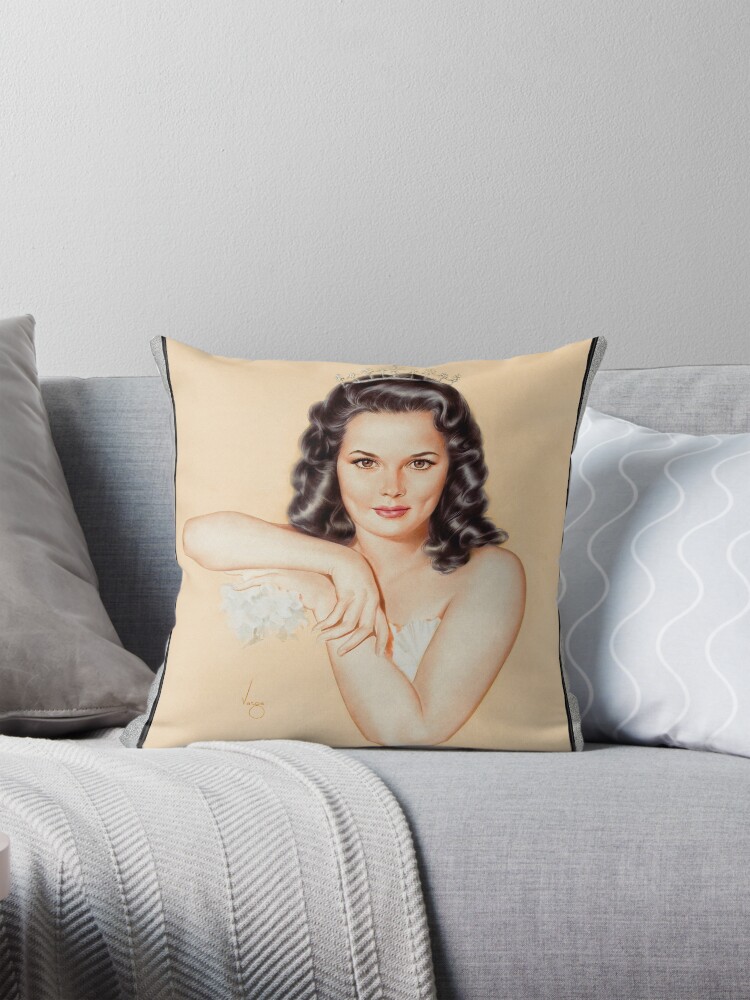
Keskeinen hahmo “Tiara” is a stunning woman who exudes grace, kauneus, and poise. She is depicted with delicate, soft features, framed by glossy, voluminous black hair that cascades in luxurious waves around her face. The soft curls create an aura of effortless beauty, drawing attention to the expressive gaze of the woman. Her gaze is direct yet subtly inviting, giving the viewer a glimpse into a mysterious, intimate world. The artist has captured a moment of repose, as if the subject is in the midst of a delicate reflection, poised between elegance and quiet allure.
The woman is wearing a tiara, a crown of delicate floral motifs that rests atop her head. This tiara symbolizes her regal beauty, as though she were a queen of a dreamlike, celestial realm. Her exposed shoulders and bare skin give the viewer a sense of vulnerability and purity, further emphasizing the delicate nature of her beauty. The mood of the painting is one of serene confidence, and the woman appears both distant and deeply present, adding layers of complexity to her portrayal.
Objektit ja yksityiskohdat
Koostumus “Tiara” revolves around the woman, with minimal distraction from the surrounding environment. Etualalla, the woman’s bare arms are gently crossed, and her left arm rests gracefully against her chest, with one hand tenderly holding a small, delicate bouquet of white flowers. The flowers are rendered in soft, almost ethereal tones of white and pale blue, suggesting innocence and fragility. The flowers contrast against the richness of the woman’s dark hair and the subtle shimmer of the tiara, enhancing the idea of purity and nobility.
The background of the painting is a muted, soft peach or light orange hue, which further emphasizes the subject’s luminous skin and contrasts beautifully with her dark, glossy hair and tiara. The simplicity of the backdrop allows the viewer’s attention to be fully absorbed by the subject, directing all focus to the regal and delicate features of the woman.
The tiara itself, an important accessory in the painting, sparkles delicately in the light, its floral elements almost appearing as if they are woven from light itself. This intricate detail adds a sense of luxury and importance to the subject, heightening her status as both an elegant figure and a queen-like presence in the painting. The tiara is not only a beautiful object but a symbol of the elevated, ethereal nature of the woman.
Tyyli ja tekniikka
Vargas’ style in “Tiara” can be categorized as a blend of realism and idealization, with influences from both classical portraiture and the emerging pin-up art culture of the time. His ability to create an idealized version of feminine beauty without resorting to exaggeration is one of the hallmarks of his work. Pehmeä, almost porcelain-like quality of the woman’s skin contrasts against the more defined and textured elements of the background and her clothing, giving the figure an almost otherworldly, eteerinen ulkonäkö.
Vargas uses light and shadow expertly to sculpt the figure, creating a sense of volume and texture in the woman’s face and body. Her facial features, especially her eyes, are painted with exquisite detail, giving them a lifelike quality that draws the viewer in. The light falling on her face and shoulders adds depth and dimension to the painting, while the soft gradients of shadow and light in the background help to keep the focus entirely on the subject. The subtle brushstrokes and the careful attention to detail in the tiara and flowers demonstrate Vargas’ technical mastery and commitment to capturing beauty in all its forms.
Teema ja symboliikka
Sen ytimessä, “Tiara” explores themes of beauty, naisellisuus, ja eleganssia. The tiara itself is a potent symbol of nobility, a crown that elevates the subject from mere mortal to regal, suggesting that the woman portrayed is not only a symbol of beauty but also of power and grace. The delicate flowers she holds further symbolize femininity, puhtaus, ja kauneuden ohikiitävä luonne. These symbols, combined with the serene expression on the woman’s face, evoke a sense of timelessness, as though the beauty of this figure transcends the constraints of time and place.
The mood is one of quiet contemplation, but also of self-assuredness. The subject’s confident posture and serene expression suggest a deep understanding of her own beauty and power. The symbolism of the tiara, coupled with the softness and grace of the woman’s pose, hints at a deeper narrative of a woman who knows her worth and carries herself with dignity and poise.
Johtopäätös
“Tiara” by Alberto Vargas is an exquisite example of the artist’s ability to combine sensuality with elegance, creating a work that is both beautiful and thought-provoking. The portrayal of the woman is at once tender and regal, capturing the essence of femininity in its most refined form. Through Vargas’ meticulous attention to detail and use of light and shadow, “Tiara” stands as a testament to the timeless appeal of beauty, armo, ja eleganssia. It is a piece that invites the viewer to not only admire the subject but to contemplate the symbolism of femininity and the idealization of beauty in art.
Tiara is a retouched digital art old masters reproduction of a public domain image.
Taiteilija bio Wikipedia.org
Syntynyt Arequipassa, Peru, hän oli tunnetun perulaisen valokuvaaja Max T: n poika. Vargas. Alberto Vargas muutti Yhdysvaltoihin vuonna 1916 opiskellut taidetta Euroopassa, Zurich, ja Geneve ennen ensimmäistä maailmansotaa.
Euroopassa ollessaan hän löysi ranskalaisen La Vie Parisienne -lehden, Kansissa Raphael Kirchner, joka hänen mukaansa vaikutti suuresti hänen työhönsä.
Hänen varhainen uransa New Yorkissa sisälsi työn taiteilijana Ziegfeld Folliesille ja monille Hollywood -studioille. Ziegfeld ripusti maalauksensa Olive Thomasista teatteriin, ja häntä pidettiin yhtenä ensimmäisistä Vargas -tytöistä.
Vargas’ tunnetuin teos oli elokuvan juliste 1933 elokuva Nora Moranin synti, joka esittää lähes alastoman Zita Johannin epätoivossa. Julistetta kutsutaan usein yhdeksi suurimmista koskaan tehdyistä elokuvajulisteista.
Hänestä tuli laajalti tunnettu 1940-luvulla ikonisen toisen maailmansodan aikakauden pin-up-luojana Esquire-lehdelle. “Tytöt Vargas.” Välillä 1940 ja 1946 Vargas tuotettu 180 lehden maalauksia.
Monien amerikkalaisten ja liittolaisten toisen maailmansodan lentokoneiden nenätaide on saanut inspiraationsa ja mukautuksensa näistä Esquiren pin-up-laitteista, samoin kuin George Petty, ja muut taiteilijat.