

Smyslná platinová blondýnka
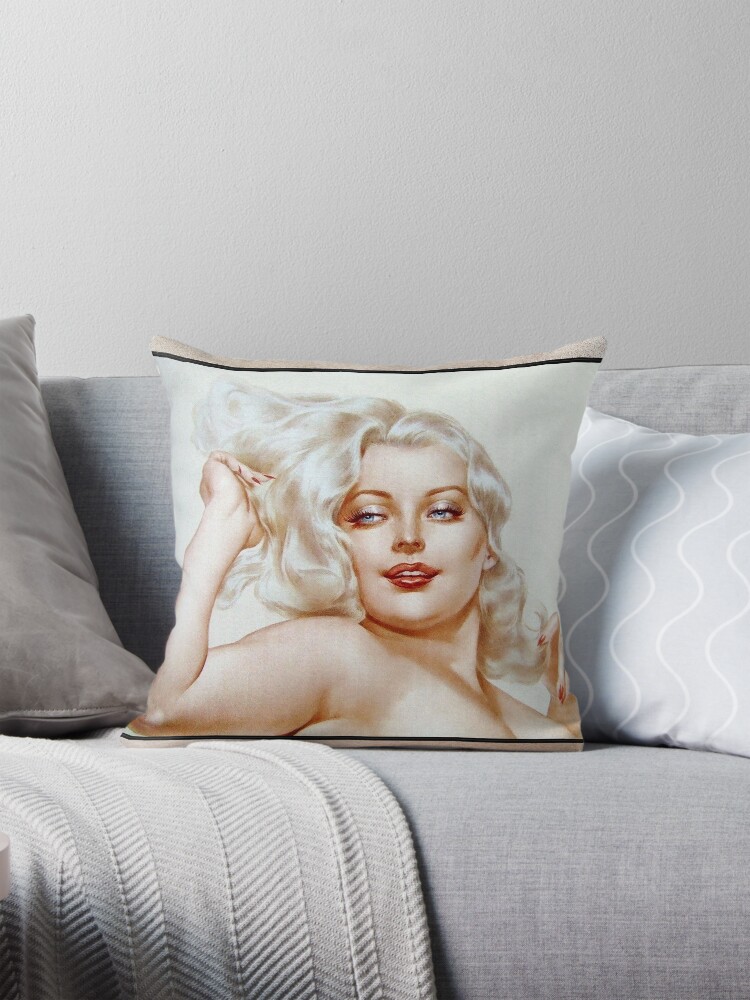
“Smyslná platinová blondýnka,” vytvořil peruánský umělec Alberto Vargas (1896 – 1982) v polovině 20. století, předvádí autorčin charakteristický styl a mistrovství v zobrazování ženské krásy. Narozen v Peru, Vargas se stal jedním z nejikoničtějších pin-up umělců své doby.
Známý pro své smyslné a sugestivní zobrazení žen, toto konkrétní dílo je ukázkovým příkladem jeho schopnosti vdechnout kouzlo, lákat, a dotek neskutečné měkkosti do jeho postav. Malování, dokončena ve 40. nebo 50. letech 20. století, zachycuje okamžik intimního sebevyjádření, představující ženu téměř snově, klidná taška. Prostřednictvím tohoto dílu, Vargas odhaluje své hluboké porozumění lidské podobě, textury pokožky a vlasů, a spletitosti světla a stínu.
Obsah
Hlavní předmět: Smyslná žena
Ústřední zaměření “Smyslná platinová blondýnka” je nepochybně žena sama. Námět obrazu je smyslný, platinová blondýnka s hladkou a zářící pletí, která okamžitě upoutá pozornost diváka. Má klasickou krásu, s jemnými rysy, které zahrnují plné rty, klenuté obočí, a velký, výrazné oči. Její pohled, zatímco přímý, je zjemněn jemným úsměvem, který naznačuje jak sebevědomí, tak zranitelnost. Zdá se, že se dívá za diváka, ztracená ve svých vlastních myšlenkách nebo snech, dodává její postavě prvek tajemna.
Její vlasy, kaskáda platinových blond vln, je bez námahy rozcuchaný, jako by se jím právě prohnal vítr. Textura jejích vlasů je zachycena s velkým důrazem na detail – každý pramen vypadá, jako by splýval v přirozeném rytmu, contributing to the ethereal mood of the piece. The woman’s pose is fluid yet grounded, her arm raised to touch her hair, suggesting a moment of calm introspection or simply the act of adjusting her locks. This subtle movement contrasts with the otherwise still atmosphere of the image, giving the figure a sense of life.
Téma a nálada: Glamour a smyslnost
“Smyslná platinová blondýnka” embodies themes of sensuality, elegance, and glamour, hallmarks of Vargas’ práce. The mood conveyed is one of subtle eroticism, without overtly sexualized imagery. The figure is undeniably seductive, yet there is an air of dignity and poise to the woman that suggests she is aware of her own beauty but not consumed by it. This portrayal aligns with the classic ideals of femininity that were celebrated in Vargas’ éra, evoking a sense of timeless allure. The subject’s allure is not just about her physical beauty but also about the quiet strength and confidence she exudes, a strength that does not need to be loud to be impactful.
The painting carries a serene yet powerful atmosphere, accentuated by the soft yet vivid colors Vargas employs. The woman’s smooth, fair skin and platinum blonde hair glow against the more muted, neutral backdrop. The soft gradient of the background gives the painting a dreamy, almost otherworldly feel, as if the viewer is peering into a moment suspended in time. Vargas’ expert use of light enhances the subject’s features, creating a lifelike, almost tactile quality to the painting that invites the viewer to feel as though they could reach out and touch the woman’s skin.
Materiály a techniky: Mistrovství světla a textury
Alberto Vargas was known for his technical precision, a “Smyslná platinová blondýnka” není výjimkou. The artist’s use of oil paints lends the piece a rich, velvety texture, with the smoothness of the woman’s skin and hair juxtaposed against the softer background. Vargas expertly manipulates the paint to create a realistic effect, particularly in the way he captures the reflection of light on the woman’s skin and hair. Použití měkkých, blending tones allows for the subtle transitions between light and shadow, giving the figure a three-dimensional quality despite the flatness of the canvas.
The artist’s delicate brushwork and the precision with which he paints the details—such as the individual locks of hair and the soft curves of the woman’s body—reflect his exceptional skill in portraiture. Each curve and contour is carefully articulated, drawing the viewer’s eye across the canvas in a continuous motion. The juxtaposition of the warm hues of the woman’s skin and the cooler tones of her blonde hair further emphasizes her sensuality, highlighting the contrast between the warm and cool elements of the composition.
Pozadí je měkké, blurred gradient that transitions from a light, warm beige to a deeper, darker tone, enhancing the three-dimensionality of the subject and making her stand out even more vividly. This contrast allows the viewer to focus solely on the woman, while the backdrop serves as an atmospheric complement to her figure.
Závěr
Alberto vargas’ “Smyslná platinová blondýnka” is not just a painting of a woman; it is a timeless portrayal of feminine beauty and allure. With meticulous attention to detail and a deep understanding of light and form, Vargas creates a piece that speaks to the viewer’s senses, inviting them to appreciate the elegance and sensuality of the female figure. The work encapsulates the ideals of glamour and femininity that defined the mid-20th century, while maintaining a modern sophistication that still resonates today. Through this artwork, Vargas cements his legacy as a master of capturing both the visible and the intangible aspects of beauty, emoce, a půvab.
Smyslná platinová blond od peruánského umělce Alberto vargas (1896 – 1982); pro jeho svůdné a nádherné umění pin-up girl a je považován za nejslavnějšího v žánru pin-up artist.
Smyslná platinová blondýnka s modrýma očima Vargas Pin-up Girl portrét, odhalující smyslnou krásu ženy
Toto je retušovaná reprodukce starého umění digitálního umění obrazu veřejného díla.
Životopis umělce
Info níže z Wikipedia.org
Narozen v Arequipě, Peru, byl synem známého peruánského fotografa Maxe T. Vargas. Alberto Vargas se v r přestěhoval do Spojených států 1916 po studiu umění v Evropě, Zurich, a Ženevě před první světovou válkou.
Když byl v Evropě, narazil na francouzský časopis La Vie Parisienne, s obálkou od Raphaela Kirchnera, což podle něj mělo na jeho práci velký vliv.
Jeho raná kariéra v New Yorku zahrnovala práci umělce pro Ziegfeld Follies a pro mnoho hollywoodských studií. Ziegfeld pověsil v divadle svůj obraz Olive Thomas, a byla považována za jednu z prvních Vargasových dívek.
Vargas’ nejslavnější filmová práce byla pro plakát 1933 film Hřích Nory Moranové, který ukazuje téměř nahou Zitu Johannovou v póze zoufalství. Plakát je často označován za jeden z největších filmových plakátů, jaký byl kdy vytvořen.
Ve čtyřicátých letech se stal široce známým jako tvůrce ikonických pin-upů éry druhé světové války pro časopis Esquire známý jako “Vargasové dívky.” Mezi 1940 a 1946 Produkoval Vargas 180 obrazy pro časopis.
Umění nosu mnoha amerických a spojeneckých letadel druhé světové války bylo inspirováno a upraveno z těchto pin-upů Esquire, stejně jako George Pettyho, a další umělci.