

Zmysłowy platynowy blond
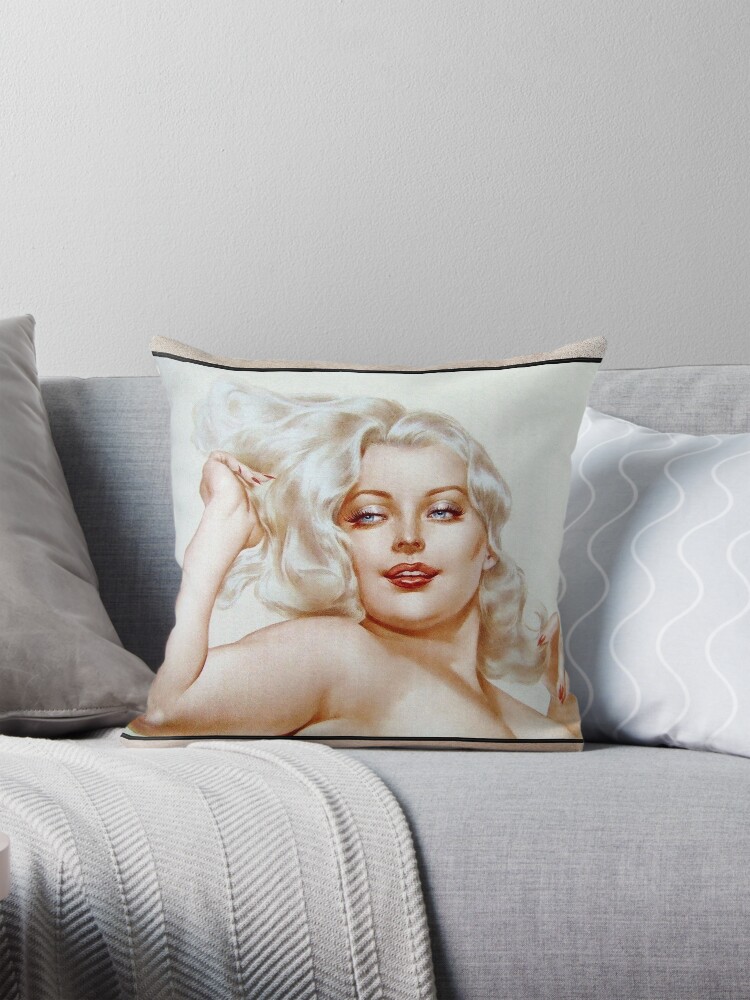
“Zmysłowy platynowy blond,” stworzony przez peruwiańskiego artystę Alberto Vargasa (1896 – 1982) W połowie XX wieku, ukazuje charakterystyczny styl artysty i mistrzostwo w przedstawianiu kobiecego piękna. Urodzony w Peru, Vargas stał się jednym z najbardziej kultowych artystów pin-up swoich czasów.
Znany ze zmysłowych i sugestywnych portretów kobiet, ta konkretna praca jest doskonałym przykładem jego zdolności do nadawania blasku, nęcić, i odrobinę surrealistycznej miękkości w jego figurach. Obraz, ukończono w latach czterdziestych lub pięćdziesiątych XX wieku, uchwyci moment intymnej ekspresji siebie, przedstawiający kobietę w niemalże oniryczny sposób, spokojna torba. Przez ten kawałek, Vargas ujawnia swoje głębokie zrozumienie ludzkiej postaci, teksturę skóry i włosów, oraz zawiłości światła i cienia.
Spis treści
Główny temat: Zmysłowa Kobieta
The central focus of “Zmysłowy platynowy blond” is undoubtedly the woman herself. The subject of the painting is a voluptuous, platinum blonde woman with a smooth and glowing complexion that captures the viewer’s attention immediately. She possesses a classic beauty, with delicate features that include full lips, arched eyebrows, and large, expressive eyes. Jej spojrzenie, while direct, is softened by a gentle smile that hints at both confidence and vulnerability. She seems to gaze beyond the viewer, lost in her own thoughts or daydreams, adding an element of mystery to her character.
Jej włosy, a cascade of platinum blonde waves, is effortlessly tousled, as though the wind has just swept through it. Tekstura jej włosów została uchwycona z wielką dbałością o szczegóły – każde pasmo wydaje się płynąć w naturalnym rytmie, współtworząc eteryczny nastrój utworu. Pozycja kobiety jest płynna, ale stonowana, uniosła ramię, by dotknąć włosów, sugerując chwilę spokojnej introspekcji lub po prostu poprawianie swoich loków. Ten subtelny ruch kontrastuje z nieruchomą atmosferą obrazu, nadając sylwetce sens życia.
The Theme and Mood: Glamour and Sensuality
“Zmysłowy platynowy blond” ucieleśnia motywy zmysłowości, elegancja, i przepych, cechy Vargasa’ praca. Przekazany nastrój to subtelny erotyzm, bez wyraźnie seksualizowanych obrazów. Figura jest niewątpliwie uwodzicielska, jednak w kobiecie panuje aura godności i opanowania, która sugeruje, że jest świadoma własnego piękna, ale nie jest przez nie pochłonięta. This portrayal aligns with the classic ideals of femininity that were celebrated in Vargas’ era, evoking a sense of timeless allure. The subject’s allure is not just about her physical beauty but also about the quiet strength and confidence she exudes, a strength that does not need to be loud to be impactful.
The painting carries a serene yet powerful atmosphere, accentuated by the soft yet vivid colors Vargas employs. The woman’s smooth, fair skin and platinum blonde hair glow against the more muted, neutral backdrop. The soft gradient of the background gives the painting a dreamy, almost otherworldly feel, as if the viewer is peering into a moment suspended in time. Vargas’ expert use of light enhances the subject’s features, creating a lifelike, almost tactile quality to the painting that invites the viewer to feel as though they could reach out and touch the woman’s skin.
Materiały i techniki: Mastery of Light and Texture
Alberto Vargas was known for his technical precision, i “Zmysłowy platynowy blond” nie jest wyjątkiem. The artist’s use of oil paints lends the piece a rich, velvety texture, with the smoothness of the woman’s skin and hair juxtaposed against the softer background. Vargas expertly manipulates the paint to create a realistic effect, particularly in the way he captures the reflection of light on the woman’s skin and hair. Użycie soft, blending tones allows for the subtle transitions between light and shadow, giving the figure a three-dimensional quality despite the flatness of the canvas.
The artist’s delicate brushwork and the precision with which he paints the details—such as the individual locks of hair and the soft curves of the woman’s body—reflect his exceptional skill in portraiture. Each curve and contour is carefully articulated, drawing the viewer’s eye across the canvas in a continuous motion. The juxtaposition of the warm hues of the woman’s skin and the cooler tones of her blonde hair further emphasizes her sensuality, highlighting the contrast between the warm and cool elements of the composition.
The background is a soft, blurred gradient that transitions from a light, warm beige to a deeper, darker tone, enhancing the three-dimensionality of the subject and making her stand out even more vividly. This contrast allows the viewer to focus solely on the woman, while the backdrop serves as an atmospheric complement to her figure.
Wniosek
Symbol zastępczy dla Alberto Vargas’ “Zmysłowy platynowy blond” is not just a painting of a woman; it is a timeless portrayal of feminine beauty and allure. With meticulous attention to detail and a deep understanding of light and form, Vargas creates a piece that speaks to the viewer’s senses, inviting them to appreciate the elegance and sensuality of the female figure. The work encapsulates the ideals of glamour and femininity that defined the mid-20th century, while maintaining a modern sophistication that still resonates today. Through this artwork, Vargas cements his legacy as a master of capturing both the visible and the intangible aspects of beauty, emocja, i urok.
Zmysłowa platynowa blondynka peruwiańskiego artysty Symbol zastępczy dla Alberto Vargas (1896 – 1982); za jego ponętną i wykwintną sztukę pin-up girl i uważany za najsłynniejszy z gatunku artystów pin-up.
Zmysłowa platynowa blondynka, niebieskooka Vargas, portret pin-up girl, odsłaniając zmysłowe piękno Kobiety
Jest to retuszowana reprodukcja starych mistrzów sztuki cyfrowej będąca własnością publiczną.
Biografia artysty
Informacje poniżej od Wikipedia.org
Urodzony w Arequipie, Peru, był synem znanego peruwiańskiego fotografa Maxa T. Vargas. Alberto Vargas przeniósł się do Stanów Zjednoczonych w 1916 po studiach artystycznych w Europie, Zurych, i Genewa przed I wojną światową.
Będąc w Europie natknął się na francuski magazyn La Vie Parisienne, z okładką Raphaela Kirchnera, co, jak powiedział, miało ogromny wpływ na jego pracę.
Jego wczesna kariera w Nowym Jorku obejmowała pracę jako artysta dla Ziegfeld Follies i dla wielu hollywoodzkich studiów. Ziegfeld powiesił swój obraz Olive Thomas w teatrze, i była uważana za jedną z pierwszych Vargas Girls.
Vargas’ najsłynniejszym dziełem filmowym był plakat filmu 1933 film Grzech Nory Moran, który przedstawia prawie nagą Zitę Johann w pozie desperacji. Plakat jest często nazywany jednym z najlepszych plakatów filmowych, jakie kiedykolwiek powstały.
W latach 40. stał się powszechnie znany jako twórca kultowych pin-upów z czasów II wojny światowej dla magazynu Esquire znanego jako “Dziewczyny Vargasa.” Między 1940 i 1946 Wyprodukowano Vargas 180 obrazy dla magazynu.
Rysunki na nosie wielu amerykańskich i alianckich samolotów z okresu II wojny światowej zostały zainspirowane i zaadaptowane z tych pin-upów Esquire, jak również te George'a Petty, i innych artystów.