

Nor dago linean
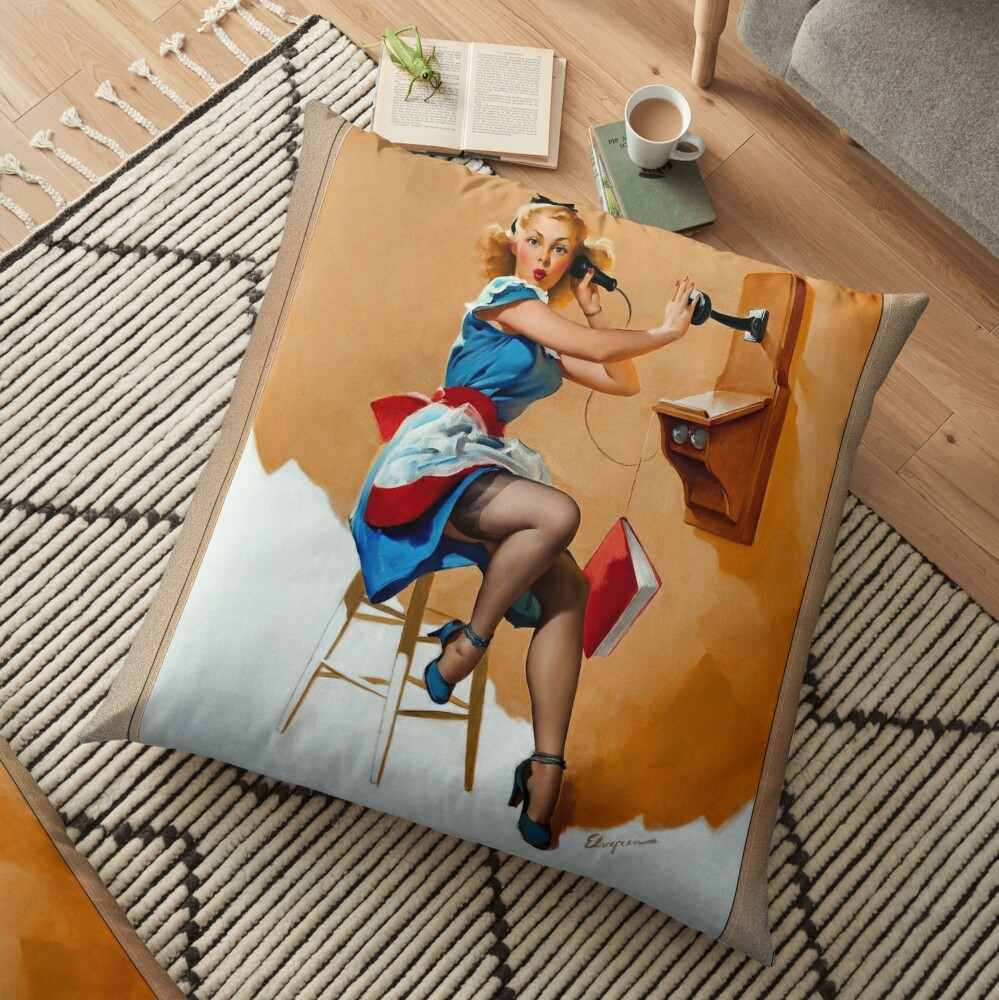
Gil Elvgren (1914 – 1980), pin-up arteagatik ezaguna den ilustratzaile estatubatuarra, izenburuko pieza ikonikoa sortu zuen “Nor dago linean,” mendearen erdialdean ziurrenik. Elvgrenen lanak pin-up arte amerikarraren esentzia adierazten du, gazteen xarmaren sinonimo bihurtu zen generoa, flirtea, eta jolas sentimendua. Pieza honetan, giza forma harrapatzeko Elvgren-en maisutasunaren adibide deigarri bat ikusten dugu, erakargarritasun fisikoa ez ezik, itxuraz sinple baten bidez transmititutako narrazioa eta emozioa ere azpimarratuz., hala ere iradokitzailea, momentua.
Edukien taula
Gai nagusia: Emakume Gazte Likote bat
-ren bihotzean “Nor dago linean” emakume gazte eta jostalari bat da, Elvgrenen pin-up lanaren ohiko gaia. Artelanaren erdigunean kokatzen da, mugimenduan eta harridura-une batean harrapatuta harrapatzen duen pose dinamikoa deigarria da. Emakumea jostalari jantzita dago, soineko urdin apur bat retro amantal zuri batekin.
Soinekoa gerrian zinta gorri lodi batekin dago, horrek kontraste bizia sortzen du bere azal-tonu leunaren eta inguruko koloreen aurka. Bere jarrera flirteous eta casual da, hala ere, misteriozko airea dario, ustekabeko telefono-dei bat itxaroten edo erantzuten ari dela ematen du. Egurrezko taburete txiki batean kokatuta dago, bere arretaren ardatza dirudien telefono zaharkiturantz makurtuta.
Bere adierazpena itxurazko harridura edo agian nahasmena da, ahoa apur bat zabaldu zen elkarrizketa erdian harrapatuko balu bezala. Esku batek telefonoaren hargailua eusten du, bere beste eskua aldakan pausatzen duen bitartean, axolagabetasun jarrera indartuz. Ilea, kizkur jostagarrietan estiloa, aurpegia markatzen du, artelana definitzen duen xelebrekeria zentzuari gehituz. Bere adierazpenaren izaera ludikoa, pin-up estilo klasikoarekin batera, koadroari dibertsio eta arintasun sentsazioa ematen dio.
Telefonoa: Konexioaren ikur bat
Telefonoa bera narrazioaren zati bat da “Nor dago linean.” Emakumearen ondoan horman nabarmen kokatuta, subjektuaren eta markotik kanpo ikusten ez den munduaren arteko zubi gisa balio du. Telefono zaharkitua, bere dial birakaria eta esku-hargailuarekin, komunikazio modernoaren aurreko garai bateko erlikia da, nostalgia eta garai sinpleago baten irrika sorraraziz. Objektua arreta handiz margotuta dago, ehundurari eta xehetasunei arreta jarriz, eszenan ez ezik emakumearen bizitzaren eta esperientziaren testuinguru zabalagoan ere duen garrantzia iradokiz.
Emakumearen jarrera eta jantzi jostalariek lana arina dela iradokitzen duten bitartean, telefonoak suspense elementu bat gehitzen du. Badirudi ia sinbolikoa dela, agian urruneko norbaitekiko konexioa edo luze itxaroten den elkarrizketa bat irudikatzea. The lack of clarity about the person on the other end of the line enhances the intrigue, allowing the viewer to project their own narrative onto the scene.
Lurra eta atzeko planoa: Soiltasuna eta fokua
-ren atzealdea “Nor dago linean” is rather minimalistic, yet it serves to highlight the subject without distraction. Biguna, beige wall creates a neutral backdrop that emphasizes the vibrant colors of the woman’s dress and the telephone.
There is no intricate furniture or scenic landscape that pulls attention away from the central figures; baizik, the focus is entirely on the woman and the immediate objects around her. The floor appears to be a simple, light-colored surface, with no prominent details other than the stool she sits on, which adds to the sense of modesty and simplicity in the scene.
Inguru apaindurik ezak, ikusleari emakumearen eta telefonoaren arteko elkarrekintzan zentratu daiteke. Eszena etxeko giro xume batean gertatzen ari liteke, eguneroko bizitzaren kontakizuna indartuz, baina glamour ukitu batekin, pin-up arteak maiz irudikatu nahi zuen artifizioa. Leuna, hondo garbiak mihise bat eskaintzen dio pertsonaiari distira egiteko, bai fisikoki eta bai emozionalki.
Estiloa: Pin-up arte klasikoa
Gil Elvgren-en estiloa berehala ezagutzen da eta XX. mendearen erdialdeko amerikar pin-up generoaren adierazgarritzat jotzen da.. Bere lanetan emakumeak agertzen dira sarritan, jolasteko flirteo edo bihurrikeria arinetako uneetan, lerro leunekin eta kolore aberatsekin harrapatuta. “Nor dago linean” tradizio horri jarraitzen dio bere garbiarekin, leundutako estetika, emakumezkoen formaren irudikapen ia idealizatua du ezaugarri. Subjektuaren kurbak nabarmentzen dira soinekoaren ingeradek eta argiak bere azalarekin elkarreragiten duen moduak. Elvgren-ek emakumearen aurpegiaren erreprodukzio zaindua, bere espresio jostalari, eta haren figuraren leuntasunak sentsualitatea eta xalotasuna neurri berean harrapatzeko duen trebetasuna erakusten du.
Aldartea: Jolasgarria eta zirikagarria
Aldarte orokorra “Nor dago linean” jostagarria eta zirikagarria da. Flirting energia bat dago piezak, emakumearen jarrera matxistak eta espresio bitxiak indartuta. Margolanaren izaera arinek ikuslea kontakizun batera gonbidatzen du, non subjektua elkarrizketetan parte hartzen ari den edo agian telefono dei batek ustekabean harrapatzen duen.. Telefonoarekin elkarrekintzak tentsio intrigazkoa iradokitzen du, ikuslea lerroaren beste muturrean dagoen pertsonaren nortasunaz galdetzen utzita.
Margolanaren kolore-aukerek are gehiago azpimarratzen dute aldartea. Zinta gorri biziaren konbinazioa, bere soinekoaren urdin leunak, eta hondoaren tonu isilduek berotasunaren eta frestasunaren arteko oreka sortzen dute. Harmonia honek xarma lasaiaren sentsazioa gehitzen du, ikusleari eszenaz gozatzeko aukera emanez, emozio biziek larritu gabe. Subjektuaren xarma eta erakargarritasun xaloa bere gorputz-hizkuntzaren eta aurpegi-adierazpenaren bidez transmititzen dira, ikuslea momentua partekatzera gonbidatzea.
Bukaera: Feminitate ludikoaren argazki betikoa
“Nor dago linean” Gil Elvgren-ek feminitate jostagarriaren une bat jasotzen du ederki landutako irudi batean, sentsualitatea eta xalotasuna orekatzen dituena.. Koadroaren betiko erakargarritasuna ikuslea flirteo eta jakin-minezko une batera garraiatzeko gaitasunean datza., xarma eta gaztetasun sentsazio nostalgikoa sorraraziz. Xehetasun arretaz arretaz, Elvgren-ek xelebrea eta oinarritua den pertsonaia bat biziarazten du, iraganeko garai baten eta giza esperientziaren betiko izaeraren artean harrapatuta. Pieza hau Elvgren-ek artea narratibarekin bateratzeko duen gaitasunaren adibide ezin hobea da, bere garaiaren mamia umorez zein graziaz jasoz.
Domeinu publikoko irudi baten erreprodukzioa da mihise inprimatu sarean.
Bio artista honetatik eratorria Wikipedia.org
Gillette A. Elvgren St.-en jaio zen. Paulo, Minnesota, eta Unibertsitateko Batxilergoan ikasi zuen. Graduatu ondoren, artea ikasten hasi zen Minneapolis Institute of Arts-en.
Geroago Chicagora joan zen American Academy of Art-en ikastera, eta Akademian graduatu zen depresio handian, hogeita bi urterekin.
Graduatu ondoren, Elvgren Stevens eta Gross-eko artisten egongelan sartu zen, Chicagoko publizitate agentzia ospetsuena, eta Haddon Sundblom artistaren babesle bihurtu zen.
In 1937, Gil Louis F-rentzat egutegiko pin-upak margotzen hasi zen. Dow, Ameriketako argitaletxe nagusietako bat, denbora horretan buruz sortu zuen 60 neska pin-up 22″ × 28″ mihiseetan lan egiten du eta inprimatutako sinadura batekin bereizten ditu.
Bere pin-up asko Bigarren Mundu Gerran hegazkin militarretan sudur-arte gisa erreproduzitu ziren; eta garai honetan izan zen 1944, Brown and Bigelow Publishing Company-k hurbildu zuela Elvgren; oraindik egutegiak ekoizten arloan nagusi den enpresa, publizitate-espezialitateak eta sustapen-merkantzia.
Hurrengo urtean 1945 arte 1972, Elvgren marroiarekin lotuta zegoen & Bigelow argitaletxea, eta lanean hasi zen 24 hazbetez 30 hazbeteko mihiseak, hurrengorako erabiliko zuen formatua 30 urteak, eta bere lana kurtsiboan sinatu zuen.
Elvgren arrakasta komertziala izan zen. Hainbat tokitan bizi izan zen, eta 1930etik 1970era arte jardun zuen. In 1951 bere etxeko estudio batean hasi zen margotzen, gero Winnetkan, Illinois, argiztapena konfiguratzeko laguntzaile bat erabiliz, atrezzo eta eszenak eraiki, argazki multzoak, eta bere margoak prestatu.
Bere bezeroen artean Brown eta Bigelow bezalako konpainia ezagunak zeuden, Coca Cola, General Electric eta Sealy Mattress Company, batzuk aipatzearren. Gainera, 1940ko eta 1950eko hamarkadetan hainbat aldizkaritarako ipuinak ilustratu zituen, esaterako, The Saturday Evening Post eta Good Housekeeping.
Elvgren-ek bere ibilbidean margotu zituen modelo eta Hollywoodeko kondairen artean Myrna Hansen zegoen, Donna Reed, Barbara Hale, Arlene Dahl, Lola Albright eta Kim Novak.