

Žena Zlatým Světlem
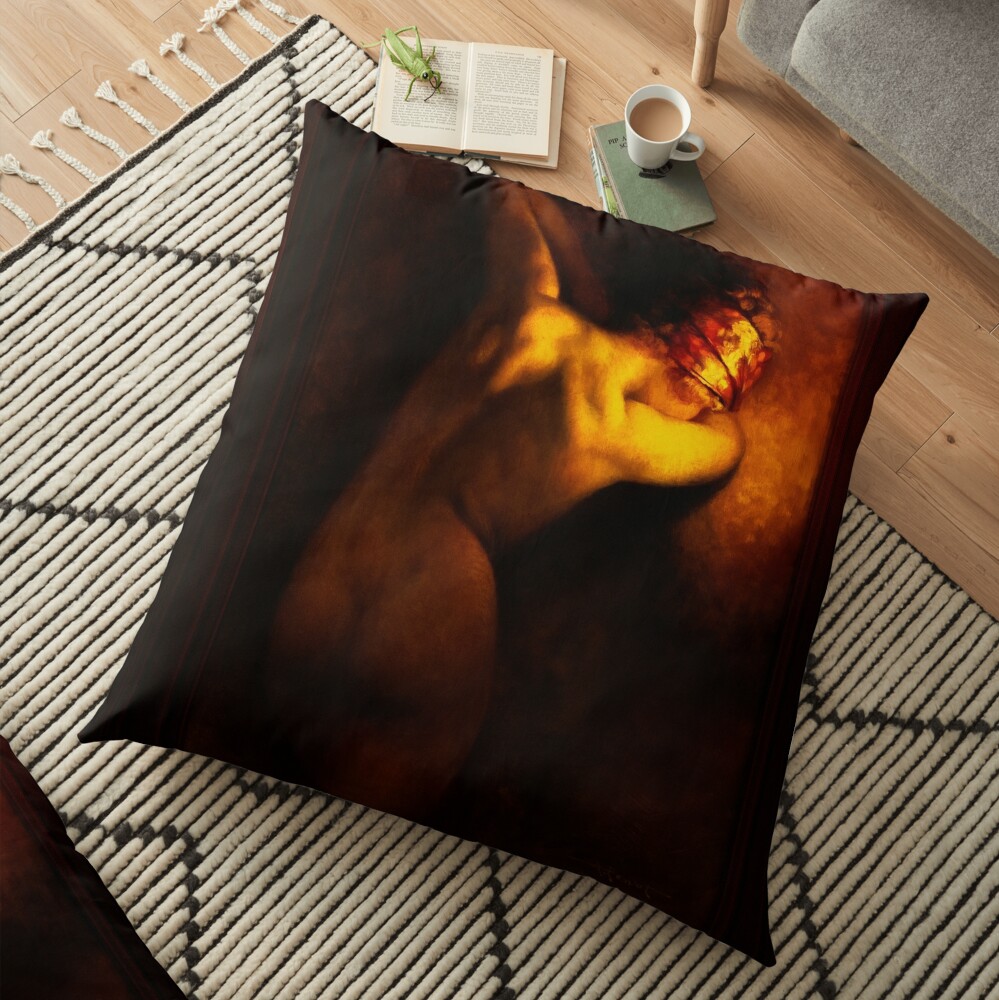
Obraz s názvem “Žena Zlatým Světlem” by French painter Albert Joseph Pénot (1862 – 1930) captures a moment of deep introspection and beauty. The figure in this evocative piece is a woman whose physical form is subtly revealed against a backdrop of shadowy warmth, rendered in muted tones. The image is centered around a sense of vulnerability and quiet strength, expressed through the artist’s masterful use of light and shadow. This painting showcases Pénot’s skill in highlighting human form and emotion through soft, yet powerful contrasts, a hallmark of his approach to capturing intimate, emotive scenes.
Obsah
The Subject and Composition
The primary subject of the painting is a woman depicted from behind, her body facing slightly away from the viewer. She is portrayed in an undraped, yet modest pose, her body graceful and sculpted, embodying the natural elegance of the female form. The woman’s shoulders and back are illuminated by a rich, Zlaté světlo, which bathes her skin in a soft, radiant glow, enhancing the contours and muscles of her back, subtly emphasizing the sense of movement and fluidity.
A strip of fabric, perhaps a blindfold or ribbon, encircles her head, casting a mysterious shadow over her face, which remains out of view. This use of a blindfold adds an intriguing layer of ambiguity to the composition, suggesting a theme of restraint or surrender. It invites contemplation of the subject’s inner world, positioning her as an emblem of both vulnerability and strength.
The viewer is drawn into the scene not only by the stark sensuality of the woman’s form but also by the rich interplay of light and shadow. The soft contours of her body are brought into stark contrast with the surrounding darkness, contributing to the mysterious atmosphere of the piece. Tma, almost velvety background fades into a warm golden hue, which intensifies near her body. This light serves as a symbolic focal point, suggesting a deeper emotional or spiritual resonance, as if the subject is bathed in a moment of personal revelation or an internal struggle that remains unspoken.
Materiály a technika
Albert Joseph Pénot’s technical prowess is evident in the depth and texture of the paint, which is rich and tactile. The application of color is layered and nuanced, with the golden light subtly blending into the surrounding shadows. The artist uses this contrast to manipulate the viewer’s focus, leading them from the illuminated body toward the obscured, unseen elements of the composition. Pénot’s characteristic technique of blending light and shadow allows the physical form to almost emerge from the darkness, further emphasizing the sensual nature of the image.
The texture of the canvas seems almost tangible, as though one could run their fingers across the folds of light, feeling the undulating surfaces and contours. The artist’s brushstrokes are deliberate and refined, evoking a sense of intimacy while also conveying a degree of distance, enhanced by the woman’s partially obscured face and the absence of any overt narrative.
Téma a nálada
Nálada “Žena Zlatým Světlem” is one of enigmatic beauty. The warm golden light suggests a moment of quiet contemplation or possibly a spiritual or emotional revelation. Ještě, there is a sense of restraint, amplified by the blindfold, which evokes a sense of mystery. The lack of direct engagement with the viewer, through the woman’s turned back and obscured face, creates a sense of isolation and introspection. This distance between the viewer and the subject elevates the feeling of voyeurism, as if we are privy to an intimate and private moment, while also being unable to fully understand the subject’s thoughts or emotions.
The theme of light and shadow is central to this artwork, symbolizing perhaps the tension between inner revelation and outer concealment. The light that embraces the woman’s body can be seen as a metaphor for enlightenment or exposure, contrasting with the dark background that suggests secrecy or concealment. The blindfold only deepens this sense of concealment, posing questions about identity, awareness, and the nature of personal experience. There is a clear tension between revelation and mystery, with the woman’s form as the focal point of this delicate balance.
Style and Artistic Influence
Pénot’s style is deeply rooted in the tradition of 19th-century academic painting, where the human form was rendered with a focus on anatomical accuracy and expressive depth. His attention to detail and his use of chiaroscuro—contrast between light and dark—reflects influences from classical artists, particularly those from the Baroque and Romantic periods. The fluidity and realism with which the artist captures the human body highlight his mastery in portraying the human form, while his use of light creates a narrative that feels both timeless and deeply personal.
While the use of light in this painting is reminiscent of the works of French Romantic and academic painters, Pénot also introduces a subtle emotional resonance that transcends mere physicality. The quiet intensity of the piece, coupled with the woman’s partial obscurity, elevates this artwork beyond a mere study of the human form to one that speaks of human experience, emoce, and the deeper layers of identity.
Závěr
Albert Joseph Pénot’s “Žena Zlatým Světlem” is a painting that invites contemplation through its delicate balance of light and shadow, its evocative use of form, and its enigmatic portrayal of the human figure. The woman’s modest yet expressive posture, combined with the interplay of illumination and obscurity, creates a mood that is both intimate and mysterious.
Through his expert use of chiaroscuro and a nuanced understanding of human anatomy, Pénot presents a deeply emotional and introspective scene that transcends the physical form to explore themes of identity, vulnerability, and self-awareness. This artwork, like much of Pénot’s oeuvre, continues to captivate the viewer, offering layers of interpretation that unfold the more one gazes upon it.
Toto je retušovaná digitální umělecká reprodukce obrazu ve veřejném vlastnictví, která je dostupná jako a rolovaný tisk online.
Tato digitální umělecká tvorba, stejně jako všechna umělecká díla, která lze nalézt na webu Xzendor7, je k dispozici ke koupi online v různých materiálových formátech včetně tisků na plátno, akrylové tisky, kovové potisky, otisky dřeva, zarámované tisky, plakáty, a jako rolované obrazy na plátně v různých velikostech od 12 palce až 72 palce v závislosti na velikosti skutečného uměleckého díla a obchodu s tiskem na vyžádání, ve kterém se rozhodnete umění koupit.
Umělecká díla jsou k dispozici také na široké škále pánského a dámského oblečení, hrnky, totes, šátky, sešity a deníky a mnoho produktů pro domácí dekoraci.
Info níže z Wikipedia.org
Albert Joseph Pénot byl francouzský malíř známý pro ženské akty a krajiny. Dnes, on je více populárně a specificky uznaný pro podmnožinu obrazů se soustřeďovat na ženy tmavší, děsivější témata.
Pénotovi šlo především o anatomicky přesné zobrazení žen. Singulární ženské formy byly implicitním těžištěm jeho práce, zatímco světy obklopující jeho postavy jsou jen zřídkakdy realizovány mimo mlhavou atmosféru a skvrny stínu a světla.
Prostředí jsou náhodná a jsou obvykle zahalena oparem, dávat výslovnou prioritu samotným číslům.
nicméně, Pénot byl ve svém umění všestrannější, a nebyl omezen výhradně na ženské akty: církevní postavy byly dalším z jeho poddaných, kromě příležitostných kompozic zobrazujících výjevy mužů a žen z vyšší společnosti ve vyprávěních rámovaných konvenčnějším prostředím.